
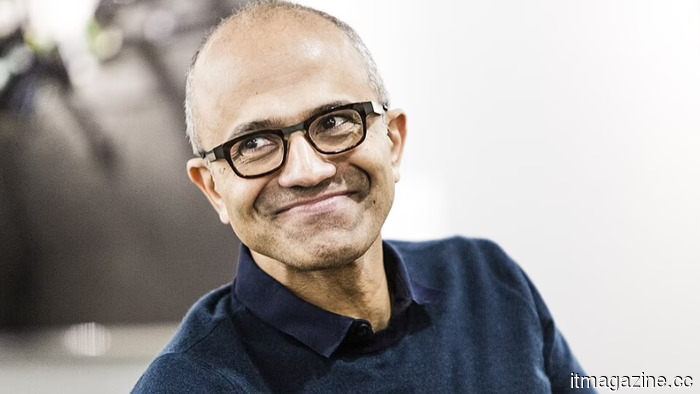
Microsoft replaces OpenAI's technology with its own AI in certain applications.
TL;DR: Microsoft has started substituting OpenAI and Anthropic models with its own in-house MAI models in certain application features where cost or data residency is advantageous, according to Bloomberg. This transition is gradual, as OpenAI and Anthropic still manage the majority of Copilot's traffic, but it represents a consistent effort by Microsoft to lessen its reliance on these partners after investing years and billions to build that relationship. The change was made possible by a 2025 renegotiation that allowed Microsoft to create competing models.
As reported by Bloomberg, Microsoft is replacing OpenAI and Anthropic models with its own AI for select product features. This update directs certain tasks to Microsoft’s internal MAI models when they offer cost or data residency benefits.
The change is gradual rather than a complete overhaul. OpenAI and Anthropic continue to manage most production traffic within Copilot, while MAI models step in where they are economically viable.
At its Build conference, Microsoft introduced seven MAI models, which include its first reasoning model as well as systems for image, voice, and transcription. It has been testing MAI-Transcribe-1 across Teams and Copilot and integrating MAI-Image-2 into Bing and PowerPoint.
The focus is on efficiency, as Microsoft can utilize its Azure infrastructure for these models, avoiding third-party costs. It claims one MAI model, specifically optimized for consulting firm McKinsey, achieved ten times the cost efficiency of OpenAI’s GPT-5.5.
Despite this shift, it doesn’t indicate a complete break. Microsoft launched the MAI series to directly compete with OpenAI while still retaining access to its partners’ models for their specific strengths.
For years, Microsoft’s initial contract with OpenAI restricted it from independently developing advanced AI. This changed after the two firms renegotiated, allowing Microsoft to build competitive models while still holding a license to OpenAI’s technology through 2032.
The agreement also permitted OpenAI to partner with rivals, enabling AWS to offer its models. Microsoft’s strategy has involved a three-pronged approach, maintaining a significant stake in OpenAI, incorporating Anthropic’s Claude into Copilot, and now deploying its own MAI models.
The strategic reasoning behind this is something that Satya Nadella has hinted at, expressing concerns about Microsoft becoming “the next IBM” if it relied too heavily on one partner. By owning its models instead of merely renting them, Microsoft aims to avoid this outcome.
Microsoft doesn’t require MAI to dominate every performance chart, as its access to hundreds of millions of Office and Teams users provides substantial leverage. Moving even a portion of that traffic to its own models generates significant revenue.
However, this extensive reach comes with a persistent challenge, as Microsoft delves deeper into AI while the issue of monetizing these developments remains unresolved. More affordable in-house models improve profit margins regardless of whether users are charged.
The costs associated with external AI are considerable, and every feature that Microsoft brings in-house reduces these expenses. The partnership that once characterized Microsoft’s AI narrative is being gradually adjusted, one model substitution at a time.
Otros artículos
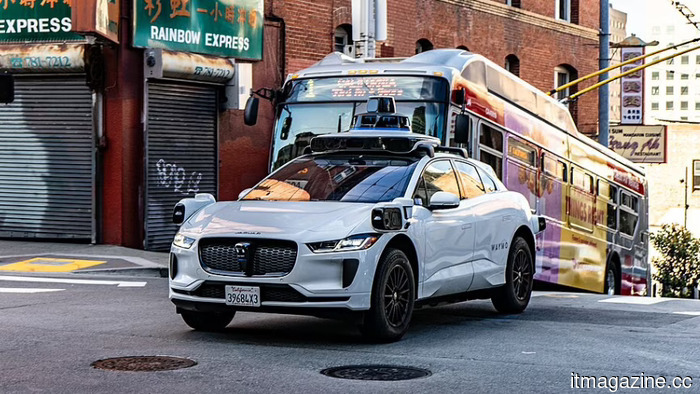 Los robotaxis de Waymo se detuvieron y se incendiaron el 4 de julio.
Los coches sin conductor de Waymo se quedaron sin carga, bloquearon el tráfico de San Francisco, y uno pasó sobre un fuego artificial encendido y se incendió durante el Cuatro de Julio.
Los robotaxis de Waymo se detuvieron y se incendiaron el 4 de julio.
Los coches sin conductor de Waymo se quedaron sin carga, bloquearon el tráfico de San Francisco, y uno pasó sobre un fuego artificial encendido y se incendió durante el Cuatro de Julio.
 OpenAI está contratando a un banquero de inversión para su IA.
El rol de "experto en la materia" de OpenAI de $205K tiene como objetivo enseñar a su IA el trabajo duro de Wall Street, mientras compite con Anthropic por los lucrativos ingresos empresariales en finanzas.
OpenAI está contratando a un banquero de inversión para su IA.
El rol de "experto en la materia" de OpenAI de $205K tiene como objetivo enseñar a su IA el trabajo duro de Wall Street, mientras compite con Anthropic por los lucrativos ingresos empresariales en finanzas.
 Nueva Zelanda descarta prohibir las VPN tras la reacción en contra de la privacidad
Nueva Zelanda niega planes para prohibir VPNs bajo su prohibición de redes sociales para menores de 16 años tras una feroz reacción en contra de la privacidad, mientras las leyes de verificación de edad siguen avanzando hacia la encriptación.
Nueva Zelanda descarta prohibir las VPN tras la reacción en contra de la privacidad
Nueva Zelanda niega planes para prohibir VPNs bajo su prohibición de redes sociales para menores de 16 años tras una feroz reacción en contra de la privacidad, mientras las leyes de verificación de edad siguen avanzando hacia la encriptación.
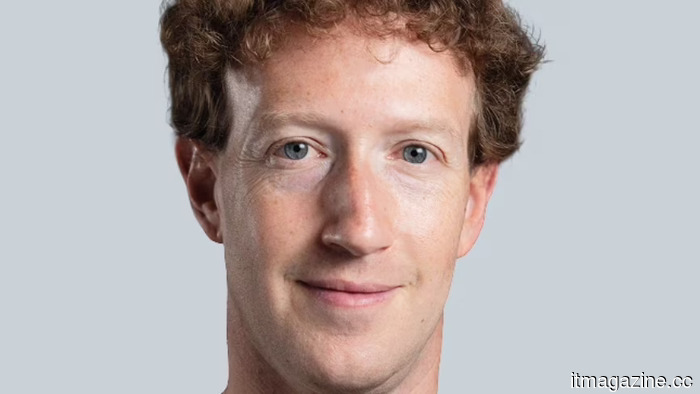 Meta presenta Muse Image, su primer modelo de imagen de IA desarrollado en el laboratorio de Alexandr Wang.
La imagen Muse de Meta se implementa dentro del chatbot de Meta AI, Instagram y WhatsApp. Los usuarios pueden generar imágenes de amigos a partir de publicaciones públicas de Instagram. Opción de exclusión disponible.
Meta presenta Muse Image, su primer modelo de imagen de IA desarrollado en el laboratorio de Alexandr Wang.
La imagen Muse de Meta se implementa dentro del chatbot de Meta AI, Instagram y WhatsApp. Los usuarios pueden generar imágenes de amigos a partir de publicaciones públicas de Instagram. Opción de exclusión disponible.
 Escocia considera una congelación de centros de datos que podría frenar la IA en el Reino Unido.
El SNP de Escocia ha votado a favor de congelar cada nuevo centro de datos, un movimiento que podría frenar la zona de crecimiento de IA de Lanarkshire y un pilar fundamental del plan de IA del Reino Unido.
Escocia considera una congelación de centros de datos que podría frenar la IA en el Reino Unido.
El SNP de Escocia ha votado a favor de congelar cada nuevo centro de datos, un movimiento que podría frenar la zona de crecimiento de IA de Lanarkshire y un pilar fundamental del plan de IA del Reino Unido.
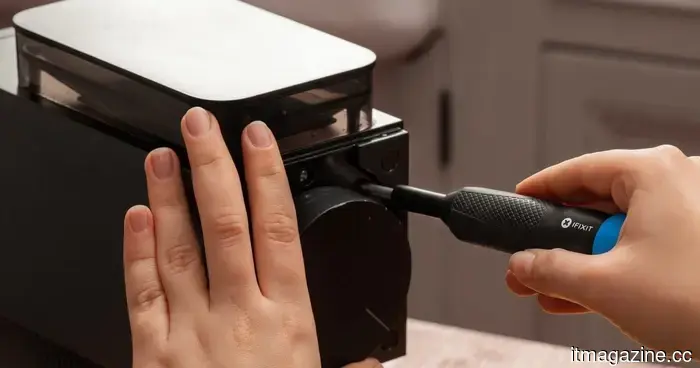 iFixit quiere reparar tus electrodomésticos a continuación, y trajo un kit de herramientas más grande.
El kit de destornilladores Megalodon de iFixit, que cuesta $34.95, lleva su experiencia en reparaciones más allá de la electrónica pequeña con puntas más largas y un destornillador de alto par diseñado para arreglos en el hogar.
iFixit quiere reparar tus electrodomésticos a continuación, y trajo un kit de herramientas más grande.
El kit de destornilladores Megalodon de iFixit, que cuesta $34.95, lleva su experiencia en reparaciones más allá de la electrónica pequeña con puntas más largas y un destornillador de alto par diseñado para arreglos en el hogar.
Microsoft replaces OpenAI's technology with its own AI in certain applications.
Microsoft is shifting certain app features to its own MAI models rather than relying on OpenAI and Anthropic, reducing its dependence on external partners.