
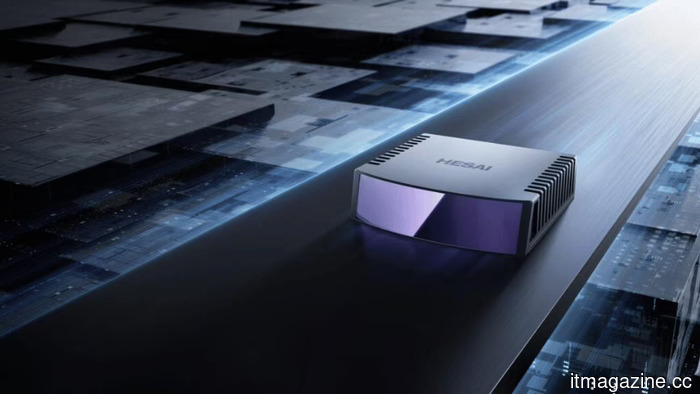
Chinese lidar manufacturer Hesai, which is on the blacklist, is fueling self-driving initiatives in the US.
A lidar manufacturer, which the Pentagon associates with a Chinese military entity, is quietly supplying technology for America’s robotaxis, trucks, and even an airport. Nvidia is among its partners.
Hesai produces many of the sensors utilized by self-driving vehicles for vision. The Shanghai-based company is also listed on a US Department of Defense blacklist of Chinese military firms, according to CNBC. This designation prevents Pentagon contracts but does not hinder American companies from employing the sensors, and Hesai’s presence in the US continues to expand.
Blacklisted, yet ubiquitous
Hesai commands roughly one-third of the global lidar market for automobiles. Its sensors are integrated into Amazon’s Zoox robotaxis, the trucking businesses Waabi and Kodiak, and the delivery service Nuro. They also monitor the gates at New York’s JFK airport. An enhanced partnership revealed at January's CES made Hesai a contender on Nvidia’s self-driving platform as well.
The price explains its extensive reach. Hesai claims it has reduced the cost of a unit from over $10,000 to less than $200. Critics argue this pricing is only feasible due to subsidies from the Chinese government, a claim Hesai disputes.
The backdoor concern
Security experts caution that the sensors could be compromised by attackers. A lab at Duke University demonstrated how malware could enable a lidar to perceive a nonexistent person, potentially obscuring a real one. In 2024, a flawed Hesai firmware update triggered a leap-year bug, causing all of its sensors to freeze simultaneously.
Hesai’s CEO, David Li, dismisses these security concerns as fictional. He asserts that the sensors do not store data and are incapable of sending information back to the company. He also states that the leap-year issue was a coding error fixed within a day, and insists that Beijing does not hold any interest in the firm.
Why it’s significant
This situation parallels cases involving Huawei, DJI, and router manufacturer TP-Link, all Chinese companies identified on the same Pentagon list prior to the US government's efforts to sever ties with them. US lawmakers are now advocating for the phase-out of Chinese lidar technology and banning Chinese vehicles from American roadways.
Europe finds itself in a similar predicament, as its automakers depend on the affordable Chinese sensors that dominate the autonomous driving sector. Meanwhile, Brussels and Washington continue to tighten restrictions on Chinese technology and blacklisted components. In this competitive market, cost-effective hardware is prevailing first. The onset of the Nvidia-powered robotaxi boom is here, but whether trust will develop alongside it remains an open question.
Other articles
 Victims of Predatorgate are suing the spyware company Intellexa.
Eight victims involved in Greece's Predatorgate scandal are filing lawsuits against the spyware company Intellexa and 13 individuals, seeking €1 million each due to phone hacking incidents that occurred in 2020–21.
Victims of Predatorgate are suing the spyware company Intellexa.
Eight victims involved in Greece's Predatorgate scandal are filing lawsuits against the spyware company Intellexa and 13 individuals, seeking €1 million each due to phone hacking incidents that occurred in 2020–21.
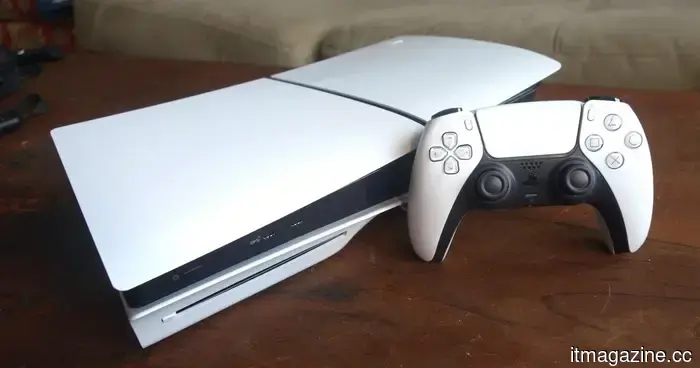 PlayStation's decision to eliminate discs may have caught off guard the very partners that are vital to sustaining its gaming business.
Sony's reported reduction in PlayStation disc production reportedly surprised publishers and retail partners, transforming a familiar ownership dispute into a wider trust issue within the PlayStation ecosystem.
PlayStation's decision to eliminate discs may have caught off guard the very partners that are vital to sustaining its gaming business.
Sony's reported reduction in PlayStation disc production reportedly surprised publishers and retail partners, transforming a familiar ownership dispute into a wider trust issue within the PlayStation ecosystem.
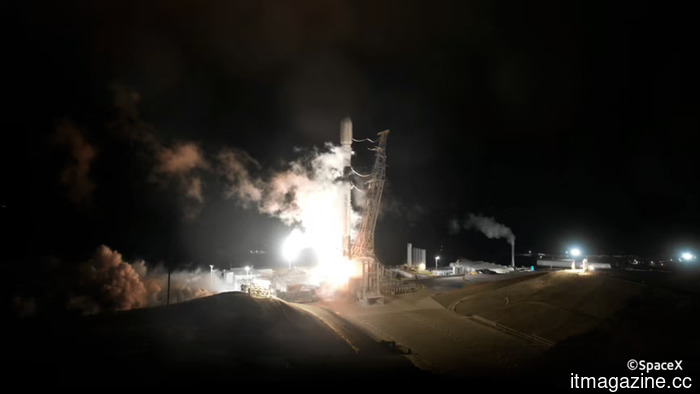 Romania spearheads its inaugural private ESA mission through the launch of CyberCUBE.
CyberCUBE, an orbital cybersecurity testbed operated by GMV Romania, has been launched aboard a Falcon 9. This marks the first ESA mission led by a Romanian firm.
Romania spearheads its inaugural private ESA mission through the launch of CyberCUBE.
CyberCUBE, an orbital cybersecurity testbed operated by GMV Romania, has been launched aboard a Falcon 9. This marks the first ESA mission led by a Romanian firm.
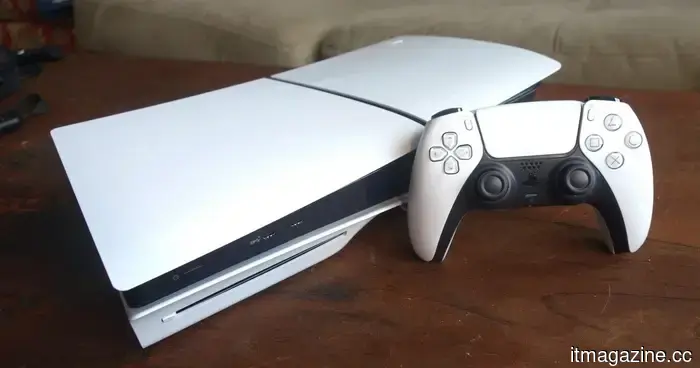 PlayStation's decision to eliminate physical discs might have caught off guard the partners that are essential for sustaining its gaming business.
Sony's reported reduction in PlayStation disc production apparently surprised both publishers and retail partners, transforming a familiar issue of ownership into a wider trust dilemma for the PlayStation ecosystem.
PlayStation's decision to eliminate physical discs might have caught off guard the partners that are essential for sustaining its gaming business.
Sony's reported reduction in PlayStation disc production apparently surprised both publishers and retail partners, transforming a familiar issue of ownership into a wider trust dilemma for the PlayStation ecosystem.
 Victims of Predatorgate file a lawsuit against the spyware company Intellexa.
Eight victims of Greece's Predatorgate scandal are taking legal action against spyware company Intellexa and 13 individuals, seeking €1 million each due to phone hacking incidents that occurred in 2020–2021.
Victims of Predatorgate file a lawsuit against the spyware company Intellexa.
Eight victims of Greece's Predatorgate scandal are taking legal action against spyware company Intellexa and 13 individuals, seeking €1 million each due to phone hacking incidents that occurred in 2020–2021.
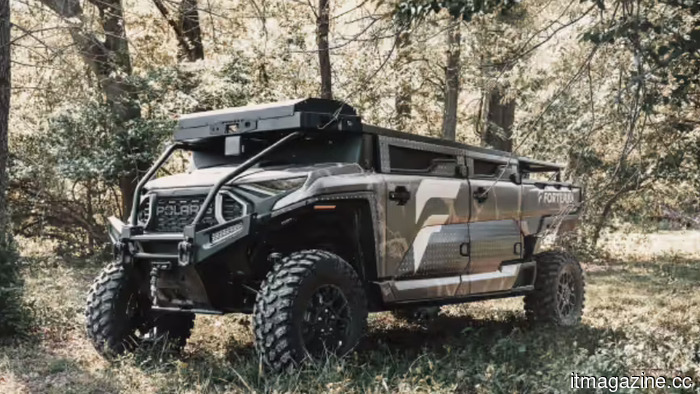 More than 100 autonomous ATVs made in the US have been engaged in combat in Ukraine for nine months.
Forterra's Lancer vehicles have accomplished 1,100 missions and carried out 52 casualty evacuations in Ukraine. Soldiers continue to operate them remotely, as autonomous systems cannot respond to threats.
More than 100 autonomous ATVs made in the US have been engaged in combat in Ukraine for nine months.
Forterra's Lancer vehicles have accomplished 1,100 missions and carried out 52 casualty evacuations in Ukraine. Soldiers continue to operate them remotely, as autonomous systems cannot respond to threats.
Chinese lidar manufacturer Hesai, which is on the blacklist, is fueling self-driving initiatives in the US.
The Pentagon imposed sanctions on Hesai, identifying it as a Chinese military firm. Despite this, its lidar technology continues to enable US robotaxis, trucks, and an Nvidia autonomous driving platform.