
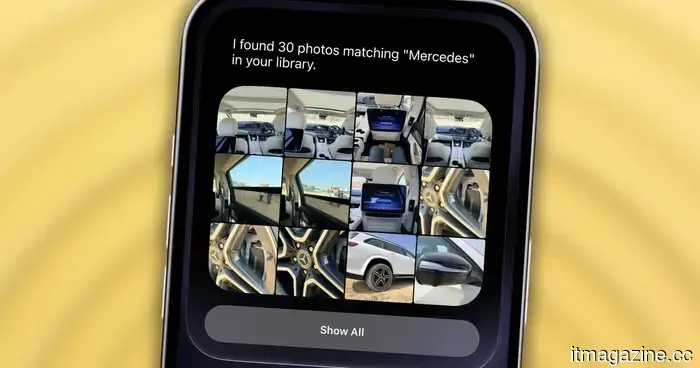
The era of AI phones is approaching, and the unconventional brands might not endure this shift.
I have a fondness for phone brands that brought an alternative perspective to Android's dominance. Meizu is one such brand, but there were many smaller companies that had their unique appeal, ranging from Fairphone’s repair-centric approach to Unihertz’s quirky devices, Shiftphone’s modular philosophy, Murena’s de-Google initiative, and Teracube’s effort to promote sustainable phone ownership. They weren’t perfect, and some weren’t meant for the mainstream market, but they gave smartphones an intriguing edge.
Now, with the emergence of AI-powered phones, the landscape appears less like a burst of creativity and more like an entry fee. In 2024, Meizu announced it would cease new traditional smartphone projects to concentrate on AI devices, which sounds innovative until it begins to resemble a caution sign.
The affluent segment defines the future
Apple doesn't need to dominate the entire smartphone industry to influence it in its favor. According to the WSJ, Apple accounts for about 20% of the approximately 1.3 billion smartphones shipped last year, putting it alongside Samsung and Xiaomi in terms of volume. However, the real power lies at the higher end of the pricing spectrum.
In the $600-or-more category, Apple commands over two-thirds of the market. For phones priced at $1,000 and above, its share exceeds three-quarters. These figures already skew the high-end market, but they appear more pronounced against the backdrop of a projected decline in overall smartphone shipments, while premium phone sales are still expected to rise.
The safest investments are concentrating on the wealthiest consumers, the strongest ecosystems, and firms that can increase prices without alienating their clientele.
AI increases the entry fee
AI intensifies this inequity because it raises the cost of being considered a serious player. A smaller phone brand can still procure a decent display, tune a good camera, provide a fast charger, and design a device that offers more character than yet another glass rectangle with a camera bump.
The next phase demands more. AI phones require advanced processors, greater memory, cloud capabilities, partnerships for models, extended software support, and substantial marketing budgets to attract customers to the assistant they overlooked the year before. Counterpoint predicts that GenAI-enabled phones will account for 45% of global shipments by 2026, up from 36% in 2025, shifting AI from a supplementary feature to a necessity for market entry.
The pressure isn’t limited to software. According to Reuters, IDC anticipates the smartphone market will experience its most significant decline in 2026, partly due to increasing memory costs driven by AI infrastructure demands. Lower-tier Android manufacturers are expected to be hit hardest, while premium brands are better equipped to manage the fallout or pass the costs on.
The niche brands are facing limitations
Some smaller phone brands were niche for valid reasons—some produced genuinely poor software, while others treated updates as mere seasonal gossip. The effective ones prevented Android from feeling overly standardized. The Android landscape was already observing brands like Oppo, Realme, Vivo, and OnePlus merging into one another before AI became the new benchmark for seriousness.
Meizu isn’t the complete picture, but it serves as a stark example. A brand that once contributed to making Android feel less uniform is now outlining its future through AI roadmaps and ecosystem jargon, which is where the industry has chosen to place its emphasis on seriousness.
This is what I hope doesn’t vanish in the upcoming phone cycle. Quirky brands shouldn’t have to outshine Apple to validate their existence. Sometimes, the valuable aspect is simply having a smartphone market that allows for unique, interesting devices to coexist long enough to make the giants appear a bit less dominant.
AI is marketed as the key to making phones more personal. The grim irony is that the companies most likely to thrive in this transition are the ones large enough to make every phone seem a little more uniform.
Other articles
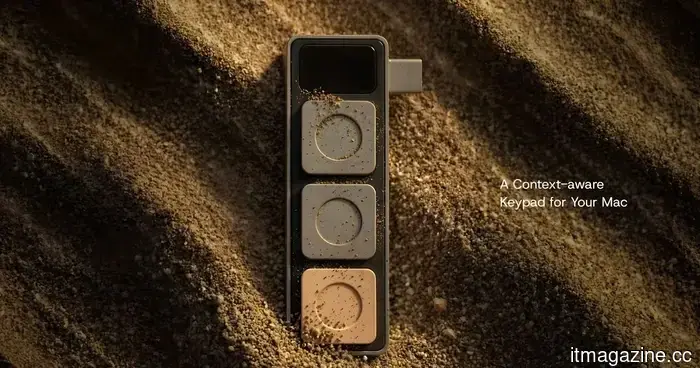 This small MacBook accessory provides customizable shortcuts for meetings and enhancing productivity.
Project Mirage has introduced Dune, a three-button accessory for MacBook that provides context-sensitive shortcuts, automation driven by AI, and rapid controls for meetings and productivity applications.
This small MacBook accessory provides customizable shortcuts for meetings and enhancing productivity.
Project Mirage has introduced Dune, a three-button accessory for MacBook that provides context-sensitive shortcuts, automation driven by AI, and rapid controls for meetings and productivity applications.
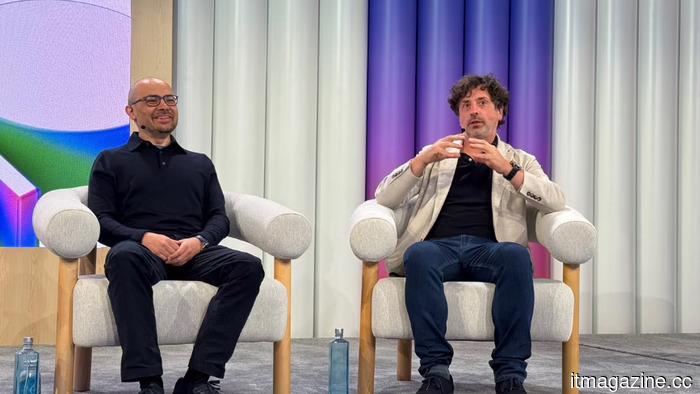 Tech billionaires invest $120 million to oppose California tax.
Sergey Brin has invested $82 million in opposing California's 5% billionaire tax, spearheading a campaign among tech elites that surpasses the funding of the measure's union supporters by four times.
Tech billionaires invest $120 million to oppose California tax.
Sergey Brin has invested $82 million in opposing California's 5% billionaire tax, spearheading a campaign among tech elites that surpasses the funding of the measure's union supporters by four times.
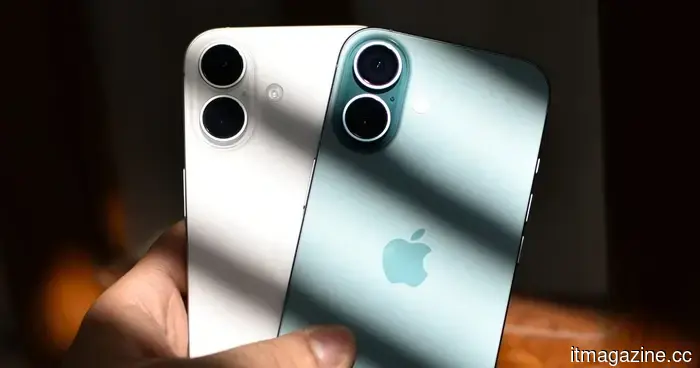 The standard iPhone 18 might not include two significant Siri AI functionalities.
The iPhone 18 and iPhone 18e might not meet Apple’s AFM Core Advanced hardware specifications, which could result in the absence of two significant Siri AI features on these models.
The standard iPhone 18 might not include two significant Siri AI functionalities.
The iPhone 18 and iPhone 18e might not meet Apple’s AFM Core Advanced hardware specifications, which could result in the absence of two significant Siri AI features on these models.
 I wish for Apple to steer the MacBook Neo clear of the AI hype and maintain its authentic character.
Apple isn't required to provide the MacBook Neo with DDR5 memory, a desktop-grade NPU, or 16GB of RAM.
I wish for Apple to steer the MacBook Neo clear of the AI hype and maintain its authentic character.
Apple isn't required to provide the MacBook Neo with DDR5 memory, a desktop-grade NPU, or 16GB of RAM.
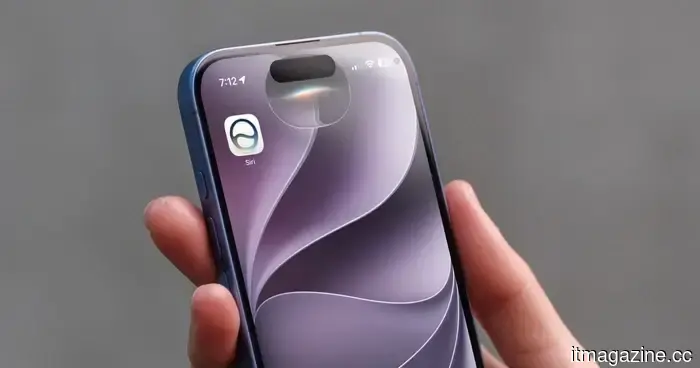 Three Siri AI features that have truly enhanced my daily routine.
From an improved Spotlight search to reminders in natural language and a camera that truly comprehends its surroundings, here are three Siri AI features that are significantly enhancing everyday iPhone usage.
Three Siri AI features that have truly enhanced my daily routine.
From an improved Spotlight search to reminders in natural language and a camera that truly comprehends its surroundings, here are three Siri AI features that are significantly enhancing everyday iPhone usage.
 Harvard finds that AI-native startups employ fewer junior-level positions.
Researchers from Harvard and INSEAD have discovered that AI-native startups tend to be smaller, have flatter organizational structures, and employ a higher proportion of senior professionals, with entry-level hiring being 15% less than that of non-AI counterparts.
Harvard finds that AI-native startups employ fewer junior-level positions.
Researchers from Harvard and INSEAD have discovered that AI-native startups tend to be smaller, have flatter organizational structures, and employ a higher proportion of senior professionals, with entry-level hiring being 15% less than that of non-AI counterparts.
The era of AI phones is approaching, and the unconventional brands might not endure this shift.
AI has the potential to enhance the intelligence of phones, but it could also create a more challenging environment for smaller and unconventional brands in the smartphone market.