

I wish for Apple to steer the MacBook Neo clear of the AI hype and maintain its authentic character.
If there's one factor that has unsettled the economics of consumer tech in the past year and influenced our understanding and recommendations of products, it’s the continually escalating prices of memory and chips.
The urgent demand for scaling AI infrastructure has led major manufacturers to focus on enterprise needs, resulting in significantly fewer options for regular consumers. The available products also come at a much higher price than just a year ago.
Nadeem Sarwar / Digital Trends
RAMageddon is impacting consumer tech economics
While one could have dismissed the memory crisis as a mere idea, the reality hits hard when even the world’s largest consumer tech company feels the strain, revealing a harsher situation than many anticipated.
Apple is known for making a late but successful entrance: innovations like OLED displays, always-on displays, and Siri AI all followed this pattern. Sadly, the same can be said for the price hikes related to memory; this marks Apple’s steepest mid-cycle price increase.
Not all product categories have been equally affected. For now, iPhones seem to be free from these changes. However, tablets, mini PCs, and laptops have faced the most significant impact.
Nadeem Sarwar / Digital Trends
MacBook Neo affected by RAMageddon three months post-launch
The situation has deteriorated to the point that Apple had to raise the price of the MacBook Neo by $100, marking a double-digit increase from its initial launch price.
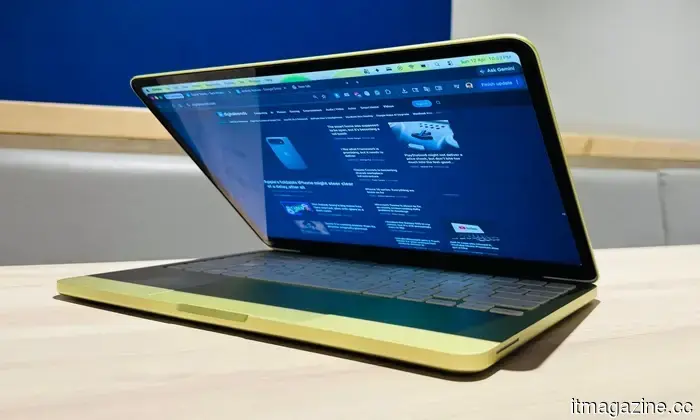
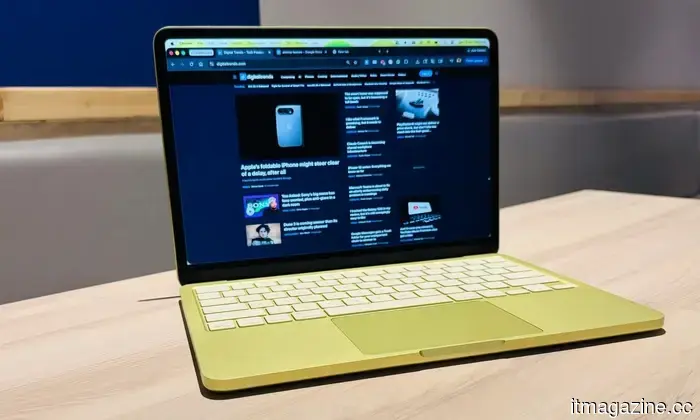
In case you’ve missed it, Apple’s MacBook Neo surprised the entire laptop market when it launched in March for $599 for the base model, featuring 8GB of RAM, 256GB of storage, and a surprisingly capable iPhone-class chip.
The Neo exceeded Apple's expectations with sales, flying off the shelves. Just a month post-launch, the company reportedly increased its order from “several million” units to over 10 million.
As someone closely following the Neo's launch, I can provide multiple reasons for this phenomenon.
Nadeem Sarwar / Digital Trends
Why the Neo's pricing remains effective
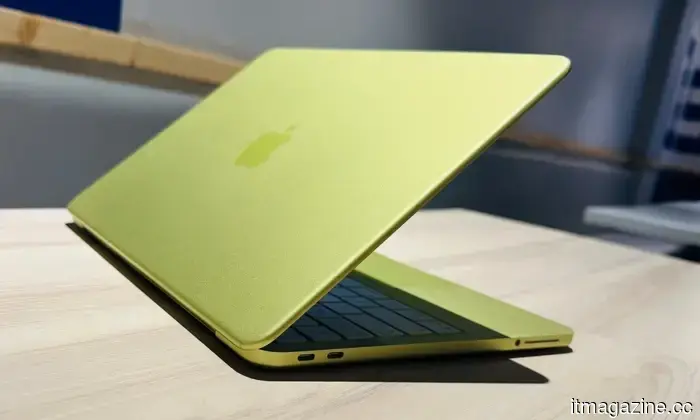
Offering an aluminum unibody in a $599 device while competitors resorted to low-quality plastic, the Neo incorporated Apple Intelligence features previously reserved for higher-end MacBooks and iPhones, thereby serving as an aggressive entry point into the Apple ecosystem; this is where its true value lies.
Even with a $100 price increase, I believe that the Neo still holds a distinctive position in the market, as it is priced $400 to $500 lower than the entry-level M5 MacBook Air and provides superior price-to-performance and value compared to most alternatives in its category.
And that’s precisely why I hope Apple doesn’t attempt to "improve" the MacBook Neo next year by transitioning it into an AI-first device.
Vikhyaat Vivek / Digital Trends
Dear Apple: The Neo isn’t broken, please leave it alone
The consumer tech industry is, overall, fixated on AI.
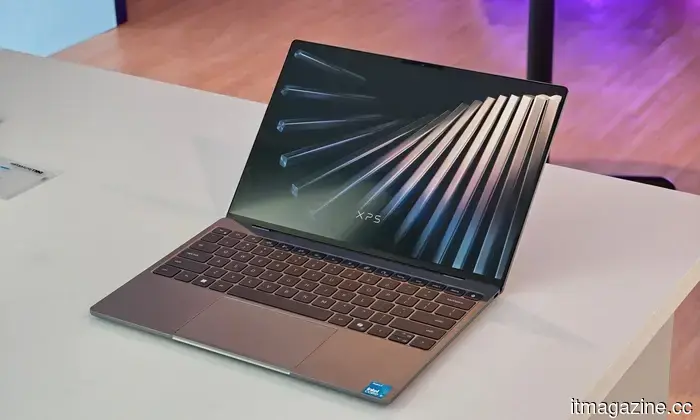
Take Windows OEMs as an example. Despite the fact that most ordinary consumers don’t prioritize on-device AI features powered by localized LLMs or local AI computing, many brands under the $1,000 range are chasing Microsoft’s Copilot+ PC labels, which require at least 45 TOPS of on-device AI processing power.
This necessitates more powerful CPUs, GPUs, or integrated system-on-chip solutions like those from Qualcomm. Furthermore, these machines require larger memory capacities and faster memory, all of which inevitably drives prices up.
That’s why the MacBook Neo—with 8GB of RAM and its reportedly repurposed A18 Pro chip—made perfect sense from the outset.
Apple
It’s designed for everyday tasks, not local AI operations
The specifications didn’t need to look impressive because Apple understood exactly what its customers wanted.
Individuals searching for an affordable laptop typically seek to browse the web, manage documents and emails, participate in Google Meet or Zoom calls, edit a few photos, and enjoy movies or shows on Netflix or their preferred streaming services.
This is the target market for the Neo: it’s not intended for users running local LLMs, creating AI-generated images (particularly with on-device tools), or editing and producing videos all day.
Apple
Apple is already adopting a segmented AI strategy
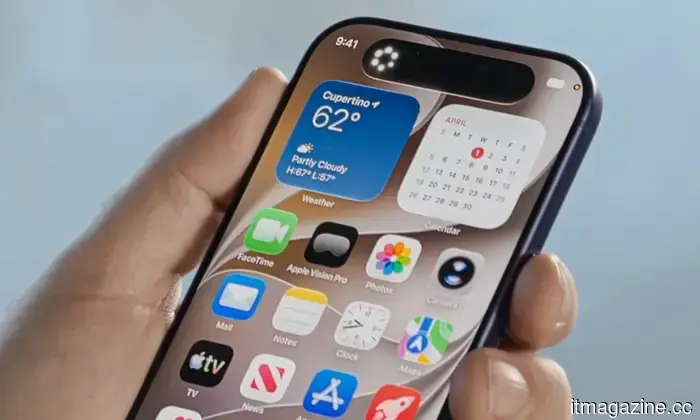
Apple’s strategy is inherently segmented. Older iPhones, such as the iPhone 15, do not support Apple Intelligence. While the new Siri AI experience is available on the MacBook Neo and the iPhone 17, the more advanced features, like on-device Siri voices and natural dictation, are confined to the iPhone 17 Pro or iPhone Air.
In other words, Apple doesn’t approach AI as a uniform experience. The company is comfortable establishing these boundaries, meaning the Neo’s successor won’t need to strive for parity; it just needs to maintain its focus.
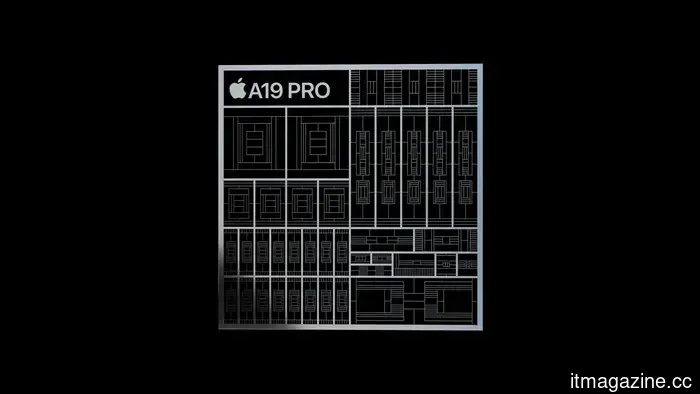
If Apple wants to enhance performance, it could easily utilize the binned A19 Pro chips, similar to what it reportedly did with the A
Other articles
 Three Siri AI features that have truly enhanced my daily routine.
From an improved Spotlight search to reminders in natural language and a camera that truly comprehends its surroundings, here are three Siri AI features that are significantly enhancing everyday iPhone usage.
Three Siri AI features that have truly enhanced my daily routine.
From an improved Spotlight search to reminders in natural language and a camera that truly comprehends its surroundings, here are three Siri AI features that are significantly enhancing everyday iPhone usage.
 I hope Apple keeps the MacBook Neo separate from the AI hype and maintains its genuine identity.
Apple doesn't have to equip the MacBook Neo with DDR5 memory, a desktop-grade NPU, or 16GB of RAM.
I hope Apple keeps the MacBook Neo separate from the AI hype and maintains its genuine identity.
Apple doesn't have to equip the MacBook Neo with DDR5 memory, a desktop-grade NPU, or 16GB of RAM.
 The Australian government cautions physicians regarding the use of AI scribing tools due to increasing concerns about privacy and safety.
Australia is assessing the use of AI medical scribes as regulators express worries regarding patient privacy, consent, data security, and insufficient supervision in clinical environments.
The Australian government cautions physicians regarding the use of AI scribing tools due to increasing concerns about privacy and safety.
Australia is assessing the use of AI medical scribes as regulators express worries regarding patient privacy, consent, data security, and insufficient supervision in clinical environments.
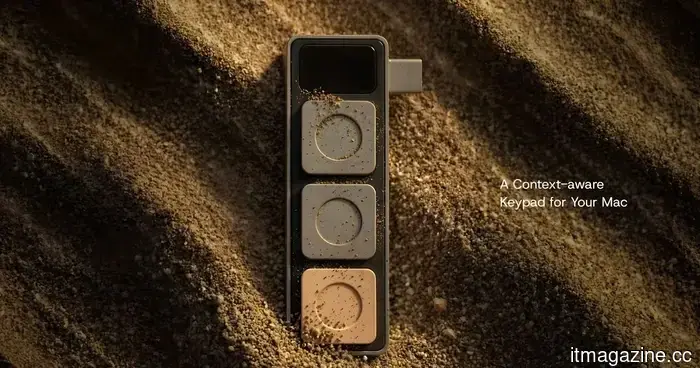 This small MacBook accessory provides customizable shortcuts for meetings and enhancing productivity.
Project Mirage has introduced Dune, a three-button accessory for MacBook that provides context-sensitive shortcuts, automation driven by AI, and rapid controls for meetings and productivity applications.
This small MacBook accessory provides customizable shortcuts for meetings and enhancing productivity.
Project Mirage has introduced Dune, a three-button accessory for MacBook that provides context-sensitive shortcuts, automation driven by AI, and rapid controls for meetings and productivity applications.
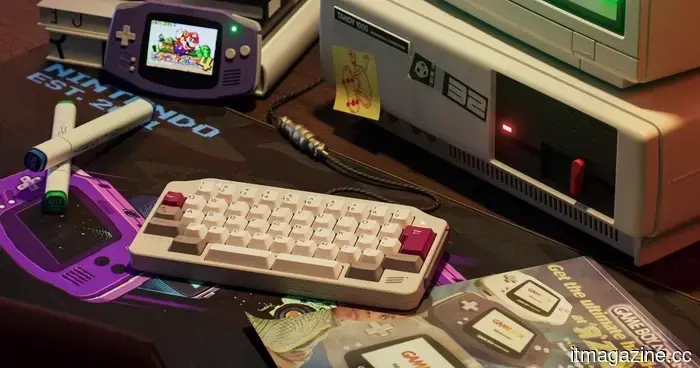 This small mechanical keyboard resembles a love letter to the Game Boy Advance.
The Keyboy Advance is a 50% mechanical keyboard kit that draws inspiration from the cherished Game Boy Advance, incorporating design elements reminiscent of retro handheld consoles and practical shoulder buttons.
This small mechanical keyboard resembles a love letter to the Game Boy Advance.
The Keyboy Advance is a 50% mechanical keyboard kit that draws inspiration from the cherished Game Boy Advance, incorporating design elements reminiscent of retro handheld consoles and practical shoulder buttons.
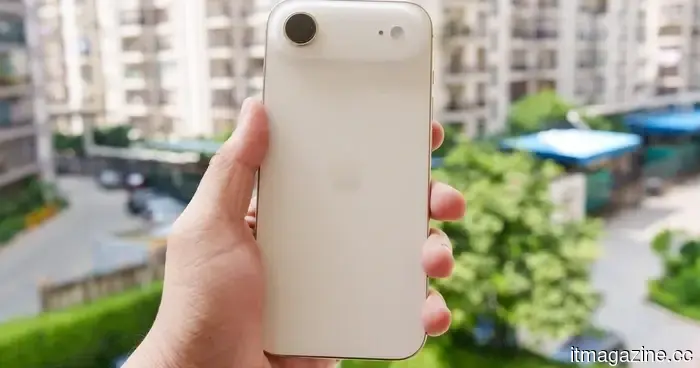 I was infatuated with my iPhone Air, but then summer came.
My iPhone Air was functioning perfectly until summer came. Now it frequently overheats, gives me constant warnings, and depletes the battery at twice the usual rate.
I was infatuated with my iPhone Air, but then summer came.
My iPhone Air was functioning perfectly until summer came. Now it frequently overheats, gives me constant warnings, and depletes the battery at twice the usual rate.
I wish for Apple to steer the MacBook Neo clear of the AI hype and maintain its authentic character.
Apple isn't required to provide the MacBook Neo with DDR5 memory, a desktop-grade NPU, or 16GB of RAM.