
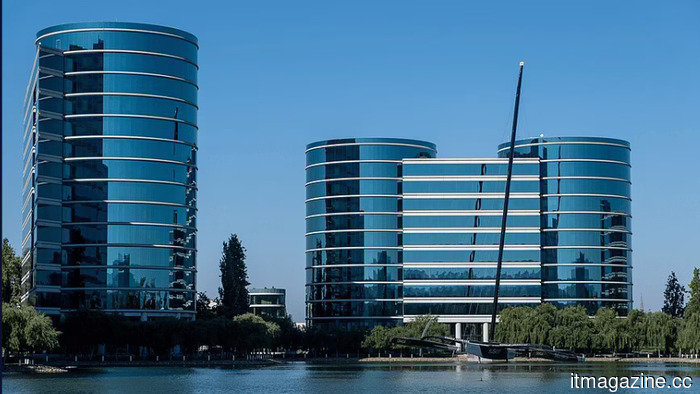
Investors are filing a lawsuit against Oracle regarding its $300 billion deal with OpenAI.
The pressure surrounding the AI boom’s largest infrastructure investment has escalated to a legal battle. Investors in Oracle are taking the company to court, alleging that it concealed the instability of its $300 billion agreement with OpenAI.
On Wednesday, the City of Sterling Heights Police & Fire Retirement System, a public pension fund in Michigan, initiated a class-action lawsuit in a Tennessee state court, as reported by Courthouse News. The lawsuit targets Oracle’s $25 billion note sale from February, naming co-founder Larry Ellison, former CEO Safra Catz, the current co-CEOs, and a host of underwriting banks.
The missing disclosure
The allegations are focused yet pointed. Prior to the note sale, Oracle informed investors that its backlog of unfulfilled orders had surged. This figure, known as remaining performance obligations, increased from approximately $97 billion to over $523 billion within a year, with most of the growth attributed to a single client: OpenAI.
The lawsuit contends that Oracle failed to disclose that OpenAI had fallen short of its revenue and user targets. It also claims that OpenAI’s finance chief had privately expressed concerns about the company's capacity to finance the cloud services it had committed to purchasing. The registration statement, according to the complaint, “contained no such disclosures.”
Debt to keep the promise
To accommodate OpenAI's needs, the lawsuit claims that Oracle accumulated significant debt, taking on tens of billions in new capital expenditures and entering into over $200 billion in long-term leases. During one earnings call, executives mentioned $50 billion in capital expenditures projected for 2026. When investors raised concerns, the complaint alleges that management cited the growing backlog as reassurance.
Subsequently, the notes’ value decreased. According to the pension fund, their price has fallen “significantly” since the offering. This decline, it asserts, negatively impacted the entire investor class. Oracle’s shares have also struggled, as Wall Street expresses worries over the concentration risk associated with the OpenAI agreement.
Not just an Oracle problem
The case illustrates concerns about circular financing within the AI bubble as a legal action. Analysts have long questioned whether OpenAI is capable of funding the computing resources it has pledged across the sector. Oracle is one of the largest counterparties and has significantly borrowed to develop data centers while also laying off thousands of employees to finance these projects.
Moreover, Oracle is not the only corporation facing scrutiny. Microsoft is also contending with its own shareholder lawsuit regarding AI spending, and critics warn that the entire AI supply chain is burdened with excessive debt. Additionally, there is a European dimension, as several of the listed underwriters, including Deutsche Bank, BNP Paribas, HSBC, and Santander, are based in Europe.
No court has yet evaluated these claims. A complaint only presents one perspective of the situation, and Oracle has chosen not to comment. However, this marks the first occasion that the concerns surrounding the Oracle-OpenAI partnership have been submitted to a judge. The $75 million in underwriting fees from the offering might lead to a contentious legal battle.
Other articles
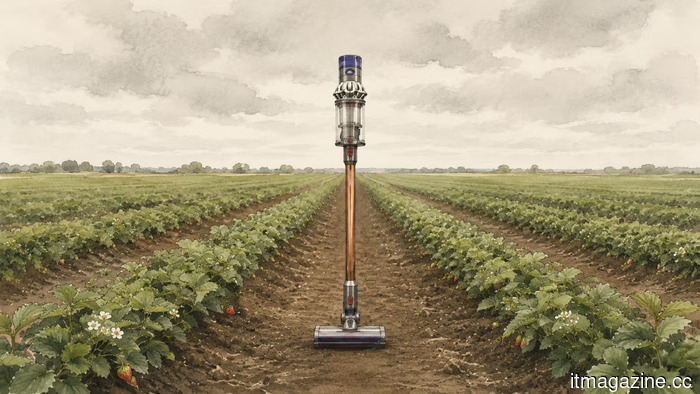 The alternative Dyson empire, assessed in acres.
Dyson's robotic strawberry farm and its renowned vacuum cleaner are essentially the same device: they share the same engineering, the same financial investment, and the same desire for precision.
The alternative Dyson empire, assessed in acres.
Dyson's robotic strawberry farm and its renowned vacuum cleaner are essentially the same device: they share the same engineering, the same financial investment, and the same desire for precision.
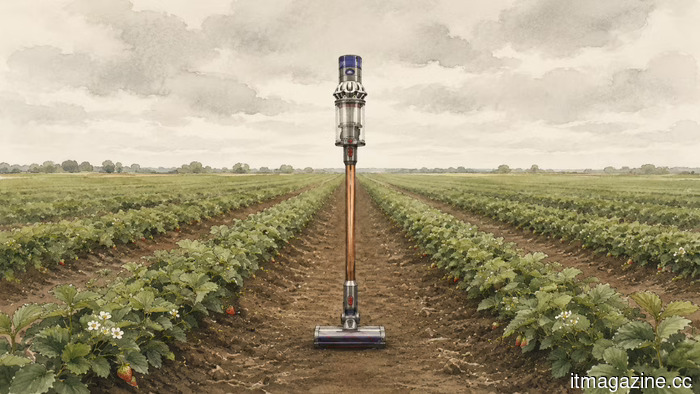 The alternate Dyson empire, calculated in acres.
Dyson’s robotic strawberry farm and its renowned vacuum cleaner are essentially the same device: they share the same engineering, the same financial investment, and the same desire for precision.
The alternate Dyson empire, calculated in acres.
Dyson’s robotic strawberry farm and its renowned vacuum cleaner are essentially the same device: they share the same engineering, the same financial investment, and the same desire for precision.
 Elon Musk denies reports suggesting that SpaceX is working on an AI device.
Elon Musk referred to a Wall Street Journal report as "completely false" after it alleged that SpaceX presented investors with a handset-like AI device prior to its IPO.
Elon Musk denies reports suggesting that SpaceX is working on an AI device.
Elon Musk referred to a Wall Street Journal report as "completely false" after it alleged that SpaceX presented investors with a handset-like AI device prior to its IPO.
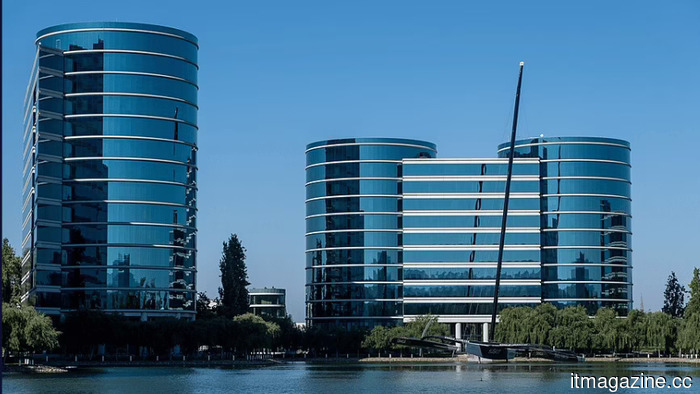 Investors file a lawsuit against Oracle regarding its $300 billion agreement with OpenAI.
A pension fund from Michigan is suing Oracle, claiming that the company concealed risks associated with its $300 billion deal with OpenAI prior to a $25 billion note sale, in a class action under the Securities Act.
Investors file a lawsuit against Oracle regarding its $300 billion agreement with OpenAI.
A pension fund from Michigan is suing Oracle, claiming that the company concealed risks associated with its $300 billion deal with OpenAI prior to a $25 billion note sale, in a class action under the Securities Act.
 Anthropic – Pentagon emails expose the true conflict.
Emails released by the court, exchanged between Dario Amodei of Anthropic and Pentagon undersecretary Emil Michael, reveal that the dispute centered around AI regulations rather than access.
Anthropic – Pentagon emails expose the true conflict.
Emails released by the court, exchanged between Dario Amodei of Anthropic and Pentagon undersecretary Emil Michael, reveal that the dispute centered around AI regulations rather than access.
 Tesla introduces the six-seat Model Y Long Wheelbase in the US, priced at $61,990.
Tesla's extended Model Y features a third row of seating, captain's chairs, and includes bundled Full Self-Driving (FSD) for $61,990, with deliveries commencing from Giga Texas in September.
Tesla introduces the six-seat Model Y Long Wheelbase in the US, priced at $61,990.
Tesla's extended Model Y features a third row of seating, captain's chairs, and includes bundled Full Self-Driving (FSD) for $61,990, with deliveries commencing from Giga Texas in September.
Investors are filing a lawsuit against Oracle regarding its $300 billion deal with OpenAI.
A pension fund from Michigan is filing a lawsuit against Oracle, claiming that the company concealed risks related to its $300 billion deal with OpenAI prior to a $25 billion note sale, as part of a class action under the Securities Act.