
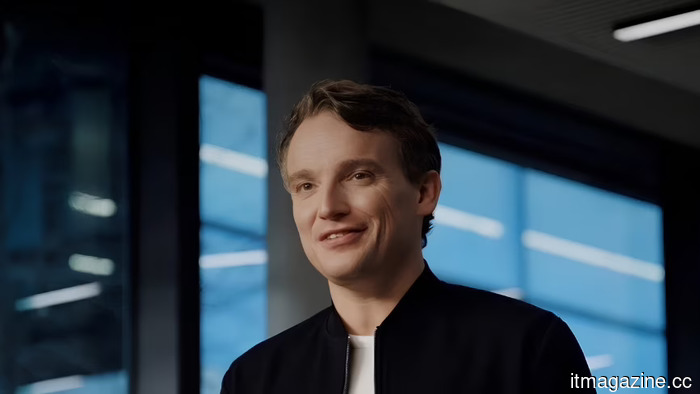
SAP has assigned oversight of its AI products to its CEO and COO as part of a restructuring.
Europe's largest software company is reallocating product and engineering responsibilities in its second major reorganization of the year, with a focus on AI. When a company reorganizes its leadership once in a year, it's considered routine; however, when it does so twice with the same focus, it reflects a strategy under pressure.
SAP is redistributing oversight of its product and engineering areas, assigning greater responsibilities to its top executives as it seeks to keep up with competitors advancing rapidly in artificial intelligence. The recent changes aim to centralize product responsibility, bringing AI oversight closer to CEO Christian Klein and the company’s operational leadership, rather than having it distributed lower in the hierarchy.
According to SAP, the goal is to reduce the distance between those who formulate AI strategy and the teams executing it, based on the belief that the gap leads to lost momentum. This follows a reorganization in March that pointed in a similar direction. In that previous shuffle, Klein assigned oversight of the sales department to Thomas Saueressig, who became chief customer officer in early April, a move intended to allow Klein to focus on AI.
The changes in June extend this rationale from sales to product and engineering, the divisions where AI functionalities are developed and deployed. Klein has conveyed a sense of urgency regarding this transition, stating, “The AI evolution is moving rapidly, and we need to keep pace,” and describing the task as a necessity to “transform SAP end to end, going all in on AI.”
For a company that provides software for many corporate back offices, the term “end to end” signifies a substantial commitment, suggesting comprehensive changes from the core platform to the customer-facing products. The pressure behind this push is also influenced by investors. SAP has been under scrutiny to ensure its AI strategy keeps up with a market that rewards quick action and penalizes delays; repeated reorganizations serve as a message to shareholders that management is responding proactively rather than remaining stagnant.
The risk involved is that two major changes within four months might be perceived not as decisiveness but as an indication that the company is still seeking the optimal structure. SAP's unique position in the AI competition is noteworthy; it is not a model developer in contention with labs but rather the top supplier of enterprise resource planning software, which manages finance, supply chains, and operations for numerous large organizations.
SAP's opportunity in AI lies in integrating automation into these workflows, while the threat comes from more agile competitors or the model developers themselves, who could implement intelligence in enterprise processes independent of SAP. This competition is prevalent throughout the enterprise-software industry, with rivals racing to incorporate AI agents into corporate systems, raising questions about their governance and security.
Even nearby cloud competitors like Oracle are restructuring similarly, laying off staff as they pivot toward AI and data centers. These organizational changes reflect a broader industry shift. SAP has not specified how these new responsibilities will translate into concrete products or timelines, and the true impact of shifting oversight upward will become evident only through what the company delivers and how swiftly.
What the reorganization clearly highlights is the emphasis on prioritizing AI. Klein has dedicated his focus, and with a revised organizational structure, he is betting that SAP's future relies on accelerating the integration of AI into its offerings faster than competitors can bypass it.
Other articles
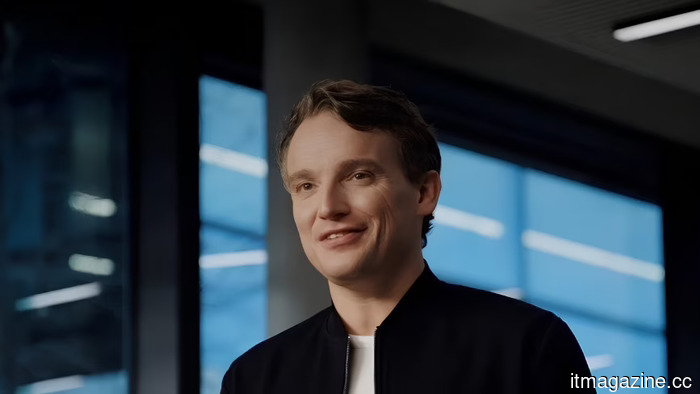 SAP has appointed its CEO and COO to oversee AI products in a recent organizational reshuffle.
SAP is reallocating responsibility for product and engineering to its senior executives in its second leadership reshuffle of 2026, as CEO Christian Klein fully commits to AI.
SAP has appointed its CEO and COO to oversee AI products in a recent organizational reshuffle.
SAP is reallocating responsibility for product and engineering to its senior executives in its second leadership reshuffle of 2026, as CEO Christian Klein fully commits to AI.
 Visa states that investment in AI and digital commerce are driving the global economy.
Visa's midyear outlook for the VBEI anticipates a 2.4% expansion in the global economy by 2026, attributing this growth to an investment surge driven by AI and competitive online pricing that helps balance out increased energy expenses.
Visa states that investment in AI and digital commerce are driving the global economy.
Visa's midyear outlook for the VBEI anticipates a 2.4% expansion in the global economy by 2026, attributing this growth to an investment surge driven by AI and competitive online pricing that helps balance out increased energy expenses.
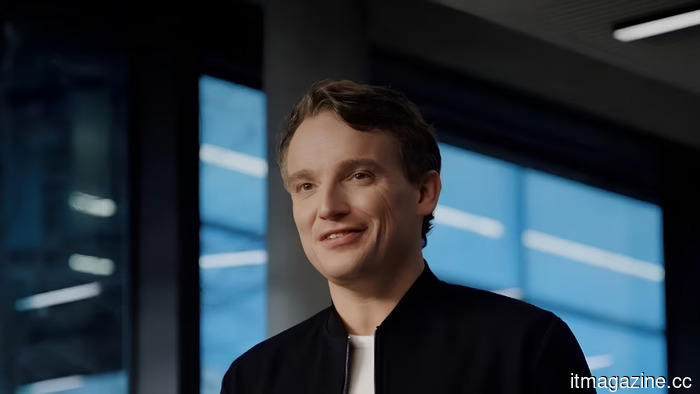 SAP has assigned oversight of its AI products to its CEO and COO as part of a restructuring.
SAP is reallocating product and engineering oversight to its senior executives in its second leadership reorganization of 2026, with CEO Christian Klein fully committing to AI.
SAP has assigned oversight of its AI products to its CEO and COO as part of a restructuring.
SAP is reallocating product and engineering oversight to its senior executives in its second leadership reorganization of 2026, with CEO Christian Klein fully committing to AI.
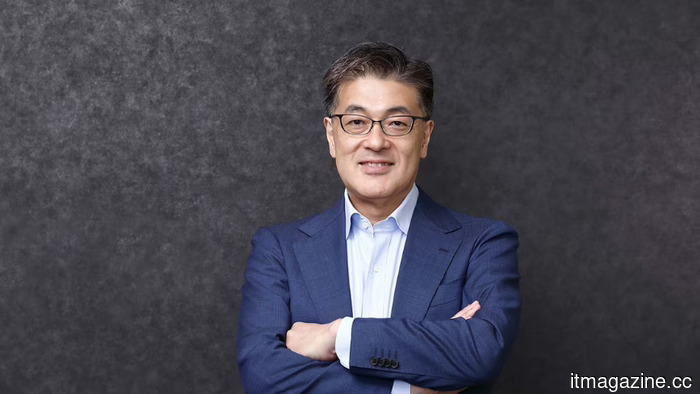 Panasonic is set to localize battery production for data centers in the US, according to the CEO.
Panasonic intends to begin mass production of battery cells for data centers in Kansas by fiscal 2028, as part of a 500 billion yen initiative focused on AI infrastructure targeting a rapidly expanding storage market.
Panasonic is set to localize battery production for data centers in the US, according to the CEO.
Panasonic intends to begin mass production of battery cells for data centers in Kansas by fiscal 2028, as part of a 500 billion yen initiative focused on AI infrastructure targeting a rapidly expanding storage market.
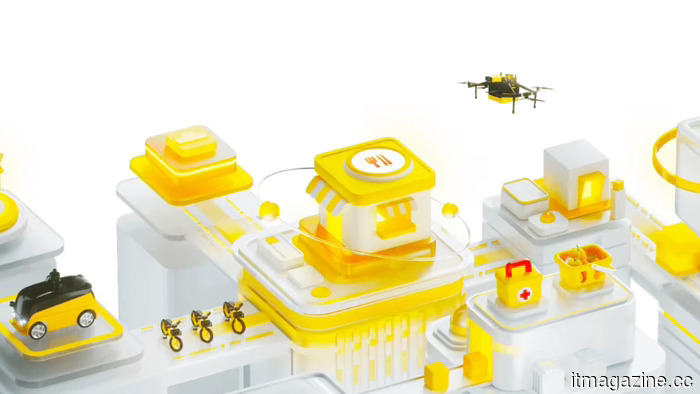 China's Meituan announced that its latest AI model was developed using domestic chips for training.
According to China, Meituan's LongCat-2.0, which has 1.6 trillion parameters, is the first model of its scale to be trained comprehensively on a domestic cluster consisting of 50,000 chips, in light of US export restrictions.
China's Meituan announced that its latest AI model was developed using domestic chips for training.
According to China, Meituan's LongCat-2.0, which has 1.6 trillion parameters, is the first model of its scale to be trained comprehensively on a domestic cluster consisting of 50,000 chips, in light of US export restrictions.
 Following Harvey, the next $10 billion winner in vertical AI could emerge from the agriculture sector.
Harvey demonstrated that vertical AI is effective in the legal sector with a value of $11 billion. The $500 billion data gap in agriculture, a $300 million signal from the USDA, and GrowersTech's agronomic ontology indicate that the next leading category may emerge from the agricultural field.
Following Harvey, the next $10 billion winner in vertical AI could emerge from the agriculture sector.
Harvey demonstrated that vertical AI is effective in the legal sector with a value of $11 billion. The $500 billion data gap in agriculture, a $300 million signal from the USDA, and GrowersTech's agronomic ontology indicate that the next leading category may emerge from the agricultural field.
SAP has assigned oversight of its AI products to its CEO and COO as part of a restructuring.
SAP is realigning product and engineering responsibilities among its senior executives in its second leadership reorganization of 2026, as CEO Christian Klein fully commits to AI.