
Another study demonstrates that injury advice found on TikTok is simply poor.
We've already encountered numerous discussions about the adverse effects of social media, particularly regarding its ability to keep children glued to screens. However, a growing concern is the troubling medical advice being disseminated on these platforms. Although TikTok is widely used to learn new dance moves or recipes, it is also becoming a source for health information from non-experts.
A recent study conducted by researchers at Université de Montréal examined TikTok videos focusing on exercises for anterior cruciate ligament (ACL) rehabilitation, and the findings are not very encouraging. The research team analyzed 106 videos retrieved using the search term “ACL rehab exercises,” which included 55 uploaded by regular users and 51 by healthcare professionals.
The researchers noted that many teenagers are increasingly turning to TikTok for guidance on sports injuries, particularly ACL tears, before consulting a doctor or physical therapist for specific advice.
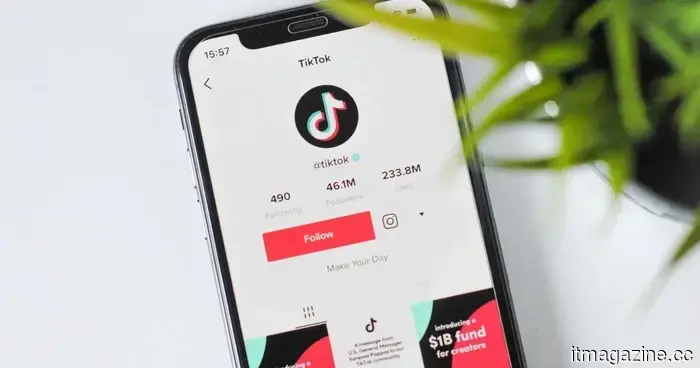
TikTok Unsplash
The limitations of viral videos
The study utilized the Modified DISCERN tool, a recognized method for assessing the reliability and quality of online medical information. Videos produced by healthcare professionals outperformed those from everyday users; however, significant shortcomings were identified across the board.
One issue lies with TikTok itself. ACL rehabilitation cannot be adequately explained in a brief clip meant to capture attention. An effective rehabilitation video should cover the injury, symptoms, treatment options, the purpose of exercises, correct form, safety measures, and timing for progression. Unfortunately, this comprehensive information doesn't always translate well to a format designed for rapid consumption.
Compounding the problem is the algorithm. Viewers are not exposed to the most informative videos; instead, they see those with higher view counts. The researchers observed that videos from ordinary users garnered more views and followers than those from healthcare professionals, even when the professional content was of superior quality.
The reality of ACL recovery
Bryan M. Wolfe / Digital Trends
A torn ACL is a significant injury, particularly for young athletes, with recovery typically taking 9 to 12 months. Returning to sports prematurely or following poor advice can heighten the risk of re-injury.
Rehabilitation videos on TikTok may display exercises without explaining their importance, how they should be executed, or their relevance in the recovery timeline. Given that such an injury often necessitates physiotherapy, bracing, and sometimes surgery, fragmented advice can be counterproductive. Previous research into ACL rehabilitation videos on TikTok has uncovered minimal educational value.
In summary, your feed should not be considered a replacement for your physical therapist. The researchers are not suggesting that healthcare professionals should shy away from TikTok; in fact, they advocate for their presence on the platform. Since young people are already seeking information there, it is essential for credible medical voices to engage where the audience is located. Platforms like YouTube have even developed specialized hubs for teens to access reliable mental health content, indicating that better management of such information is possible.
Other articles
 Onyx Boox Note Max review: One year on, I still adore this large e-reader that behaves like a laptop, even though it really isn't.
The Onyx Boox Max Note is an impressive paper-like device that offers a lot of versatility. However, its greatest strength also leads to its main weakness.
Onyx Boox Note Max review: One year on, I still adore this large e-reader that behaves like a laptop, even though it really isn't.
The Onyx Boox Max Note is an impressive paper-like device that offers a lot of versatility. However, its greatest strength also leads to its main weakness.
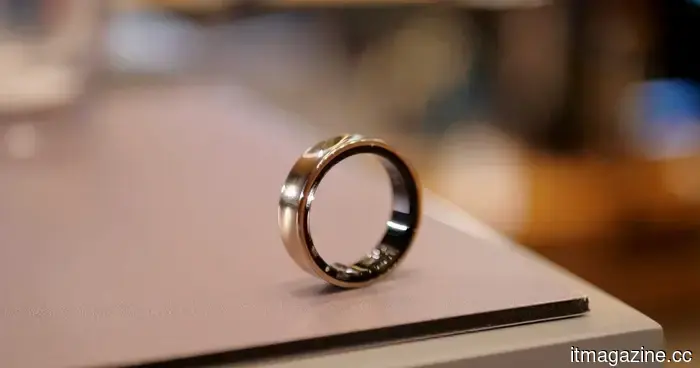 Samsung is set to release a new Galaxy Ring, which might introduce some innovative health features.
Samsung is developing a new Galaxy Ring, with a significant enhancement potentially stemming from the way the ring processes health signals in the background. Hon Pak, head of Samsung's digital health team, informed Forbes about the ongoing development of this next-generation ring. However, Samsung has yet to reveal details regarding the name, release date, pricing, regions, or other specifics.
Samsung is set to release a new Galaxy Ring, which might introduce some innovative health features.
Samsung is developing a new Galaxy Ring, with a significant enhancement potentially stemming from the way the ring processes health signals in the background. Hon Pak, head of Samsung's digital health team, informed Forbes about the ongoing development of this next-generation ring. However, Samsung has yet to reveal details regarding the name, release date, pricing, regions, or other specifics.
 Blue Origin is still uncertain about the cause of the New Glenn explosion but intends to launch again this year.
According to Blue Origin CEO Dave Limp, the underlying cause of the explosion in May is still undetermined, although initial analysis suggests it may be related to the aft section of the first stage.
Blue Origin is still uncertain about the cause of the New Glenn explosion but intends to launch again this year.
According to Blue Origin CEO Dave Limp, the underlying cause of the explosion in May is still undetermined, although initial analysis suggests it may be related to the aft section of the first stage.
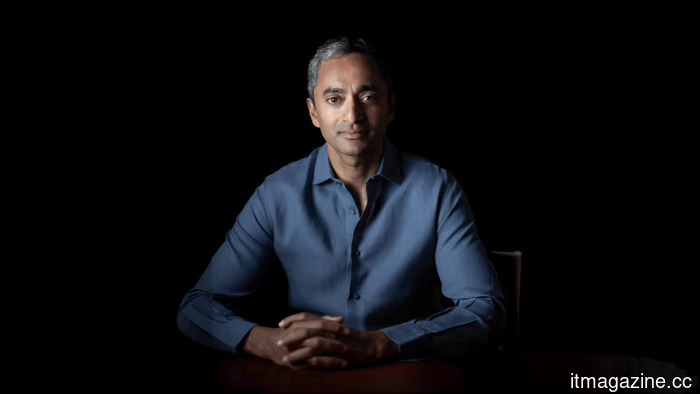 Chamath’s AI coding company 8090 secures $135 million in funding.
Chamath Palihapitiya has secured $135 million, with Salesforce as the leading investor, for his AI coding startup, 8090, and is taking on the role of CEO for the first time since his tenure at Facebook.
Chamath’s AI coding company 8090 secures $135 million in funding.
Chamath Palihapitiya has secured $135 million, with Salesforce as the leading investor, for his AI coding startup, 8090, and is taking on the role of CEO for the first time since his tenure at Facebook.
 AI shopping surpassed search on Prime Day, causing concerns for Amazon.
For the first time on Prime Day, AI shopping referrals surpassed search, email, and social in conversion rates, indicating a shift that poses a challenge to Amazon's dominance in product discovery.
AI shopping surpassed search on Prime Day, causing concerns for Amazon.
For the first time on Prime Day, AI shopping referrals surpassed search, email, and social in conversion rates, indicating a shift that poses a challenge to Amazon's dominance in product discovery.
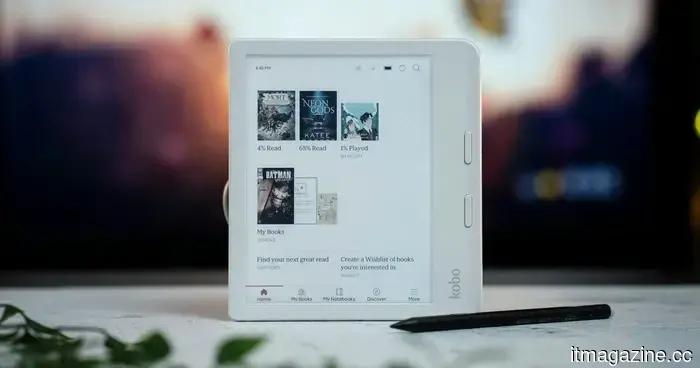 Kobo responds to Kindle's Goodreads feature by introducing automatic syncing with StoryGraph.
Kobo has activated its integration with StoryGraph, allowing your reading progress to sync automatically. There’s no need for manual updates anymore.
Kobo responds to Kindle's Goodreads feature by introducing automatic syncing with StoryGraph.
Kobo has activated its integration with StoryGraph, allowing your reading progress to sync automatically. There’s no need for manual updates anymore.
Another study demonstrates that injury advice found on TikTok is simply poor.
A recent study revealed that TikTok videos on ACL rehabilitation exercises were generally subpar, sparking new worries about teenagers relying on viral content for guidance on injury recovery.