
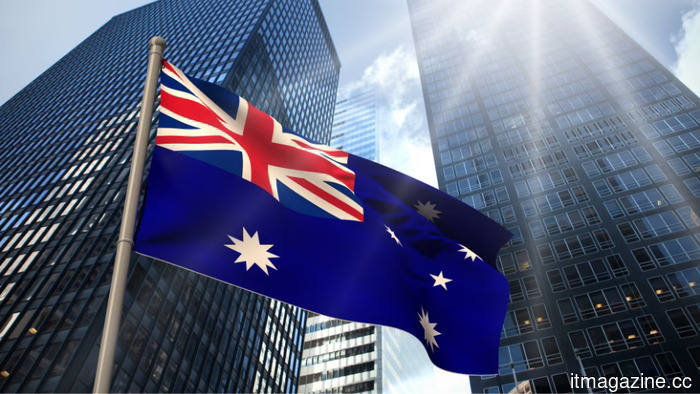
Australia takes steps to increase penalties for Big Tech and empower its regulator in relation to the ban for those under 16.
Six months after Australia became the first nation to prohibit social media access for individuals under 16, the government has determined that these platforms are not adhering to the regulation adequately and is preparing to significantly increase the penalties for non-compliance.
New legislation introduced this week would approximately double the maximum fine for systemic violations, increasing it from A$49.5 million to A$99 million, or around $68 million. Additionally, it would empower the eSafety Commissioner with enhanced investigatory authority, enabling the regulator to request documents and evidence not only from the platforms themselves but also from age-verification companies and app stores.
What is particularly significant is what these documents might entail. Under the proposed powers, the commissioner would have the ability to compel internal documents like company board minutes and internal emails, which serve as crucial evidence to transform regulatory suspicions into solid cases. The government’s stated goal is to fortify the legal actions being prepared against platforms that do not comply.
This framing clarifies the government’s intentions. They are not just accumulating powers for potential future enforcement; they are doing so with the explicit plan to enforce the regulations and to ensure they have the necessary evidence to proceed.
The ban came into effect on December 10, following the Online Safety Amendment Act, and the government claims that over five million accounts belonging to under-16s have since been blocked.
The regulator is currently examining possible violations by Facebook, Instagram, Snapchat, TikTok, and YouTube, which are the five platforms central to this initiative. Previous compliance audits indicated that these platforms had not taken the “reasonable steps” mandated by law, a finding we reported when Australia identified these companies for their non-compliance.
The disparity between the headline figures and the actual situation has consistently been an embarrassment for the regime. While millions of deactivated accounts look impressive in a press release, an assessment by the regulator revealed that a substantial number of children who used social media prior to the ban still retained access to accounts afterward, a trend we analyzed to explain why the rule functions better on paper than in reality.
Stricter financial penalties and enhanced evidence-gathering capabilities represent the government's response to this discrepancy.
Communications Minister Anika Wells has openly expressed her view regarding the platforms' motives, suggesting they are merely doing the bare minimum because they want the legislation to fail. The new penalty framework is designed with this notion in mind: a sufficiently hefty fine that makes compliance more cost-effective than the risk of being caught not complying.
Australia’s initiative is under global scrutiny. Since December, more than a dozen countries have indicated interest in similar restrictions, and several, including the UK, are contemplating measures that span gaming and AI chatbots as well as social media. What Canberra decides to do with its enforcement powers will serve as a real-time test of the effectiveness of such bans.
The legislation has yet to be approved, and the timeline for the increased penalties and extended powers will rely on its progress through parliament. The companies, for their part, have generally stated they are striving to comply. Australia’s next step is to ensure it can verify whether they are indeed following through.
Other articles
 400 newspapers file a lawsuit against OpenAI and Microsoft regarding AI.
Almost 400 local newspapers in the US are pursuing legal action against OpenAI and Microsoft, claiming that their articles were used without compensation to train ChatGPT and Copilot.
400 newspapers file a lawsuit against OpenAI and Microsoft regarding AI.
Almost 400 local newspapers in the US are pursuing legal action against OpenAI and Microsoft, claiming that their articles were used without compensation to train ChatGPT and Copilot.
 Amazon's quick delivery initiative has led to a loss of $15 billion for India's Eternal and Swiggy.
Eternal and Swiggy have seen a decline of over $15 billion in their market value as Amazon broadens its 'delivery in minutes' service throughout India.
Amazon's quick delivery initiative has led to a loss of $15 billion for India's Eternal and Swiggy.
Eternal and Swiggy have seen a decline of over $15 billion in their market value as Amazon broadens its 'delivery in minutes' service throughout India.
 Germany is promoting its AI implementation as a solution to its labor shortages.
Germany is presenting the rapid adoption of AI as a partial solution to its shortage of skilled workers, which amounts to hundreds of thousands annually.
Germany is promoting its AI implementation as a solution to its labor shortages.
Germany is presenting the rapid adoption of AI as a partial solution to its shortage of skilled workers, which amounts to hundreds of thousands annually.
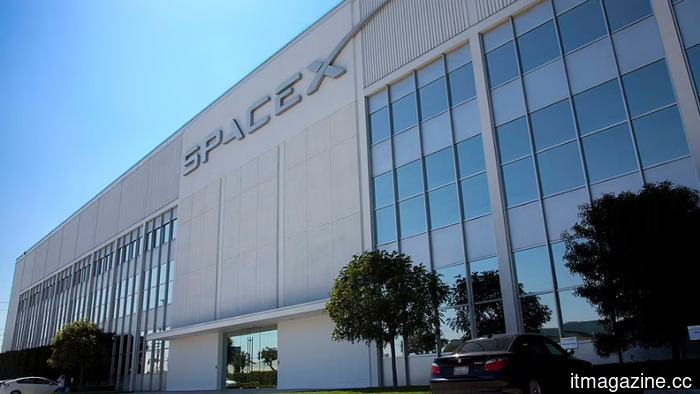 SpaceX's Starpipe: a natural gas pipeline for Starship
SpaceX is proposing Starpipe, an 8-mile natural gas pipeline to Starbase, to facilitate a quicker Starship launch rate and gain greater control over its supply chain.
SpaceX's Starpipe: a natural gas pipeline for Starship
SpaceX is proposing Starpipe, an 8-mile natural gas pipeline to Starbase, to facilitate a quicker Starship launch rate and gain greater control over its supply chain.
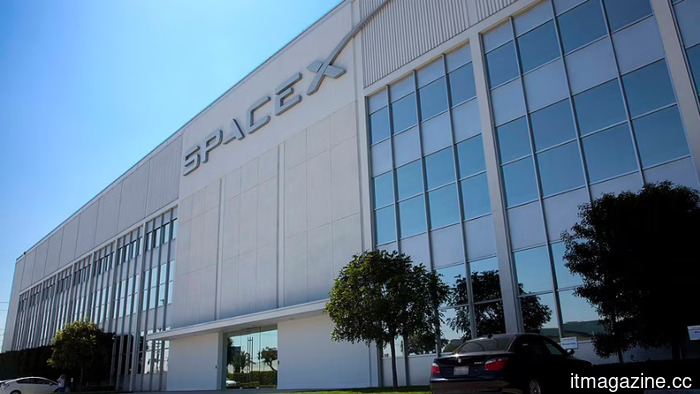 SpaceX's Starpipe: a gas pipeline designed for Starship.
SpaceX is developing Starpipe, an 8-mile natural gas pipeline to Starbase, in order to increase the frequency of Starship launches and gain greater control over its supply chain.
SpaceX's Starpipe: a gas pipeline designed for Starship.
SpaceX is developing Starpipe, an 8-mile natural gas pipeline to Starbase, in order to increase the frequency of Starship launches and gain greater control over its supply chain.
 Mirendil secures $200 million to develop AI that enhances AI.
Mirendil, established by a pair of former researchers from Anthropic, secured $200 million at a valuation of $1 billion to offer self-enhancing AI research to a wider audience.
Mirendil secures $200 million to develop AI that enhances AI.
Mirendil, established by a pair of former researchers from Anthropic, secured $200 million at a valuation of $1 billion to offer self-enhancing AI research to a wider audience.
Australia takes steps to increase penalties for Big Tech and empower its regulator in relation to the ban for those under 16.
Australia's new legislation would increase penalties for Big Tech to A$99 million and empower the eSafety Commissioner to demand board minutes and internal emails.