
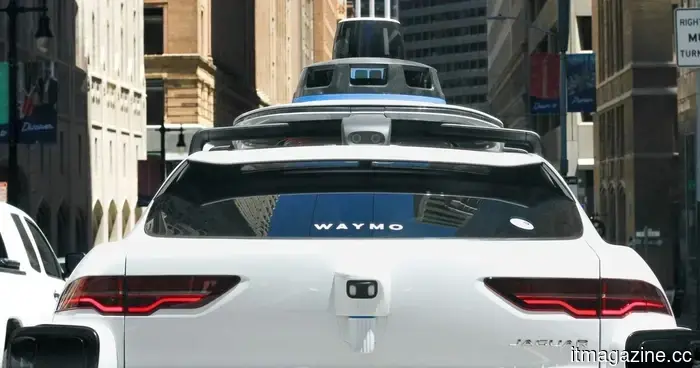
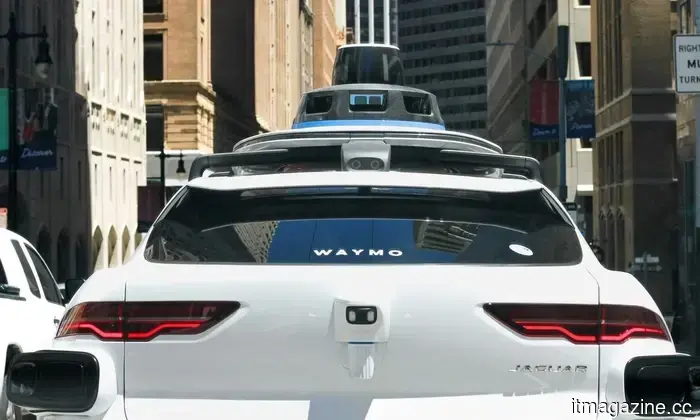
The Wild West period of robotaxis is beginning to come to a close.
New international regulations may replace inconsistent local laws with enhanced safety requirements for self-driving fleets.
Robotaxi regulations have begun their initial global phase. A UN vehicle standards forum has established the first international guidelines for fully autonomous vehicles, providing driverless fleets with a uniform safety standard across key markets.
This development comes as robotaxi services transition from testing phases to a more extensive commercial presence. In the US and China, private fleets more than doubled in 2025, totaling 8,000 vehicles across over two dozen major cities.
Automakers and technology firms have advocated against a disjointed regulatory framework, where a vehicle designed for one nation might encounter difficulties in another. While a standardized rulebook does not eliminate the need for local approvals, it offers companies a clearer benchmark prior to broader implementation.
Why regulators acted now
The framework pertains to vehicles with fully autonomous driving capabilities, rather than those that have driver-assistance features requiring a human to be on standby. This distinction is vital for robotaxis, which are intended to function without a safety driver.
The future market is expected to be significantly larger than the current fleets. The International Energy Agency predicts there will be 700,000 to 3 million robotaxis in 40 to 80 major cities by 2035, which clarifies regulators' urgency to establish guidelines before the sector grows too large to manage effectively.
How companies demonstrate safety
For manufacturers, adhering to safety regulations becomes a matter of thorough documentation as much as engineering. They will be required to provide credible testing, government audits of safety protocols, lifecycle management processes, ongoing performance evaluations, and safety-relevant records about autonomous driving.
This elevates expectations beyond polished presentations and meticulously planned launch areas. Regulators will seek proof that an autonomous driving system does not introduce unreasonable risks, a benchmark that could hinder less capable companies while facilitating stronger ones in navigating across borders with fewer obstacles.
What to expect before 2027
The framework is set to be implemented in January 2027, with significant automotive markets such as the US, China, the European Union, Japan, and the UK supporting it.
Driverless services will not become available everywhere instantly. Cities will determine their own policies, companies must be prepared, and local regulations may still influence access. However, the next steps are now more defined. Companies that can demonstrate their systems comply with this shared standard will be best positioned for early scaling.
Paulo Vargas is an English major transitioned to reporter and then technical writer, with a career that has consistently returned to...
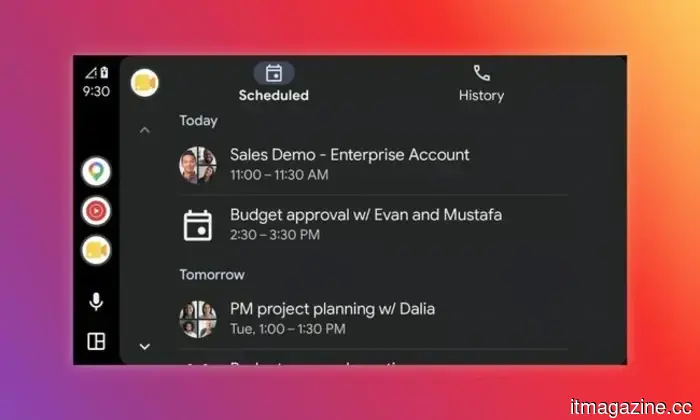
Google Meet has finally launched on Android Auto, reducing excuses to miss meetings.
Android users can now participate in scheduled meetings and audio calls directly from their car's dashboard, catching up to the functionality that iPhone users have enjoyed for several months.
Android Auto is finally incorporating Google Meet, months after the video conferencing application was introduced on Apple CarPlay. Android users can access scheduled meetings and recent contacts straight from their car's display, rather than needing to use their phones.
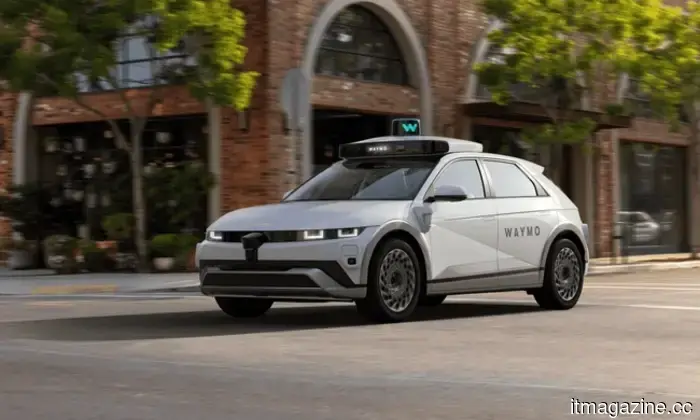
Waymo’s robotaxis continue to encounter challenges, with construction zones being a recent issue.
There have been thirteen incidents involving construction zones that led to a fleet recall, including one passenger who thought their ride was coming to an end.
Waymo has recalled its nearly 4,000-vehicle fleet to prevent them from driving on highways after discovering at least 13 cases where its vehicles ventured into sections closed for construction. This marks the company's sixth recall within a year and follows previous incidents related to flooded roads, telephone poles, chains and gates, towed trucks, and school buses.
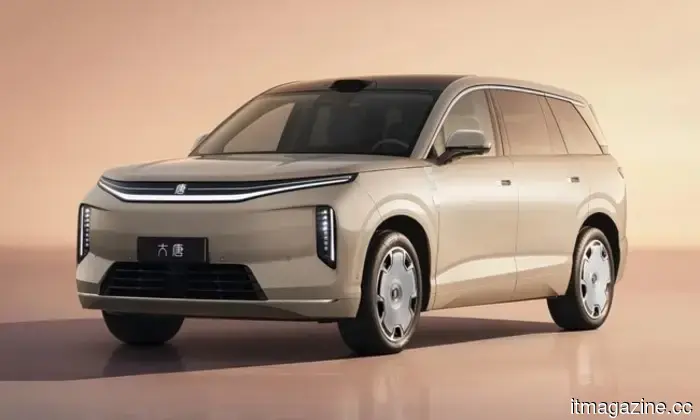
BYD has introduced the Great Tang eSUV, featuring 10-minute charging and a 590-mile range, starting at $40,000.
With impressive specifications, record preorders, and none destined for America, BYD has launched the Great Tang, a full-size electric SUV that offers a range comparable to conventional gasoline vehicles and requires only slightly more time to recharge. The company's flagship electric SUV starts at approximately $35,500, posing serious competition to most American electric SUVs.

Other articles
 The Kremlin is seeking clarification from Apple following the removal of VK applications from the App Store.
Apple removed VK's applications in Russia, referencing sanctions. VK claims it has not been sanctioned. The Kremlin is seeking clarification and is considering an alternative operating system.
The Kremlin is seeking clarification from Apple following the removal of VK applications from the App Store.
Apple removed VK's applications in Russia, referencing sanctions. VK claims it has not been sanctioned. The Kremlin is seeking clarification and is considering an alternative operating system.
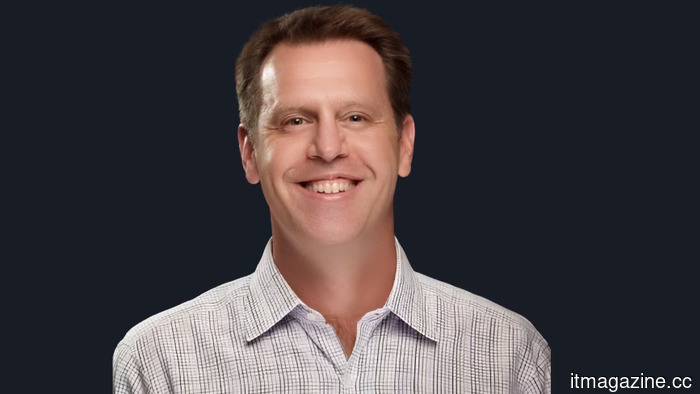 Anthropic recruits Orange's AI leader as it speeds up its expansion in Europe.
Steve Jarrett, who has served as Orange's chief AI officer since 2019, will be joining Anthropic in Paris on August 25 to modify its products for the European and African markets.
Anthropic recruits Orange's AI leader as it speeds up its expansion in Europe.
Steve Jarrett, who has served as Orange's chief AI officer since 2019, will be joining Anthropic in Paris on August 25 to modify its products for the European and African markets.
 An innovative Mac application allows you to experience vibrations via the trackpad whenever you click on a link or button.
HapticPad utilizes your Mac's Force Touch trackpad to provide vibrations on links, buttons, and web inputs as you hover over them in Chrome.
An innovative Mac application allows you to experience vibrations via the trackpad whenever you click on a link or button.
HapticPad utilizes your Mac's Force Touch trackpad to provide vibrations on links, buttons, and web inputs as you hover over them in Chrome.
 The Kremlin is seeking clarification from Apple following the removal of VK applications from the App Store.
Apple removed VK's applications in Russia, referencing sanctions. VK claims it has never been sanctioned. The Kremlin is seeking clarification and desires an alternative operating system.
The Kremlin is seeking clarification from Apple following the removal of VK applications from the App Store.
Apple removed VK's applications in Russia, referencing sanctions. VK claims it has never been sanctioned. The Kremlin is seeking clarification and desires an alternative operating system.
 An innovative Mac application allows you to experience vibrations through the trackpad when you click on a link or button.
HapticPad utilizes the Force Touch trackpad on your Mac to create vibrations for links, buttons, and web inputs when you hover over them in Chrome.
An innovative Mac application allows you to experience vibrations through the trackpad when you click on a link or button.
HapticPad utilizes the Force Touch trackpad on your Mac to create vibrations for links, buttons, and web inputs when you hover over them in Chrome.
 South Korean semiconductor stocks rise following Micron's positive earnings report.
On June 25, Samsung and SK Hynix drove a 4% increase in the KOSPI following Micron's impressive quarter and forecast, which boosted optimism regarding AI memory demand.
South Korean semiconductor stocks rise following Micron's positive earnings report.
On June 25, Samsung and SK Hynix drove a 4% increase in the KOSPI following Micron's impressive quarter and forecast, which boosted optimism regarding AI memory demand.
The Wild West period of robotaxis is beginning to come to a close.
The initial global regulations for robotaxis establish uniform safety standards for completely autonomous vehicles, providing clear objectives for manufacturers, while still facing significant challenges with city approvals, local legislation, and preparedness for widespread implementation.