
YouTube reaches a settlement before California's second trial concerning social media addiction.
A month prior to a Los Angeles jury hearing a case involving a Florida teenager, Google discreetly withdrew from the proceedings, leaving Meta, Snap, and TikTok to continue with the arguments. YouTube settled with the teenage plaintiff a few weeks ahead of their court appearance, thus removing itself from the second bellwether trial related to California's extensive social media addiction litigation. On June 23, the plaintiff's lawyers confirmed the settlement, which occurred just over a month before the trial was set to begin on July 27, although the settlement terms were not revealed.
The plaintiff, referred to as R.K.C. in legal documents, is a Florida teenager claiming that excessive social media use led to anxiety, depression, and suicidal thoughts, for which he is still receiving treatment. His case was designated as a bellwether, one of a select few aimed at assessing jury responses to the fundamental allegations before addressing the thousands of similar lawsuits that follow.
The lawsuit named four defendants. With YouTube's exit, the other three, Meta’s Instagram, Snap’s Snapchat, and ByteDance’s TikTok, are prepared to face the jury next month. The main allegation in this litigation is consistent: plaintiffs argue that the platforms are designed to be addictive, using features like infinite scroll, autoplay, and algorithmic feeds that keep young users engaged at the cost of their mental health, while claiming the companies concealed these risks. The defendants have consistently disputed this framing.
The settlement follows a verdict that prompted all defendants in the litigation to reassess their positions. In March, a Los Angeles jury found Meta and Google liable in the first bellwether case, awarding $6 million to a young woman referred to as K.G.M. and placing more responsibility on Meta. This was the first social media addiction case to reach a verdict, resulting in a decision against the two companies that had previously refused to settle, while Snap and TikTok had settled before the trial.
Given this backdrop, YouTube's choice to withdraw seems less surprising and more reflective of a recurring trend. After experiencing a loss in March, Google has opted for the same departure strategy that Snap and TikTok adopted earlier. Companies that settle do not disclose details, while those that go to trial risk receiving a verdict that serves as a reference for future cases.
The significance of these individual trials is what gives the bellwethers their influence. Over 3,300 lawsuits regarding addiction claims are active against social media companies in California state court, with another approximately 2,400 cases initiated by individuals, school districts, municipalities, and states consolidated in federal court.
The bellwether process is in place because trying each case individually could take decades; early verdicts and settlements are intended to establish the parameters for valuing subsequent cases. This process has been occurring simultaneously with the school district cases moving along a different track. Snap, YouTube, and TikTok settled one school bellwether before its trial, and Meta later settled the Kentucky case, which would have been the first trial concerning youth mental health in a school district context.
The personal injury lawsuits filed by individual teenagers, including R.K.C.’s case, are particularly high-profile as they present a single named claimant and a specific alleged harm to a jury. For Google, the expense of withdrawing from the July trial consists of whatever amount it agreed to pay R.K.C., a figure it can avoid defending publicly. For the companies still facing trial, the decision-making process is more complicated.
Meta has been investing heavily in artificial intelligence despite the increasing number of child safety lawsuits, and it enters the second trial as the only original social media defendant that has not opted to settle at some point. The July 27 trial in Los Angeles will proceed with the three remaining defendants, and whether any of them will choose to follow YouTube's lead and exit before then is a situation that will unfold in the coming weeks.
Other articles
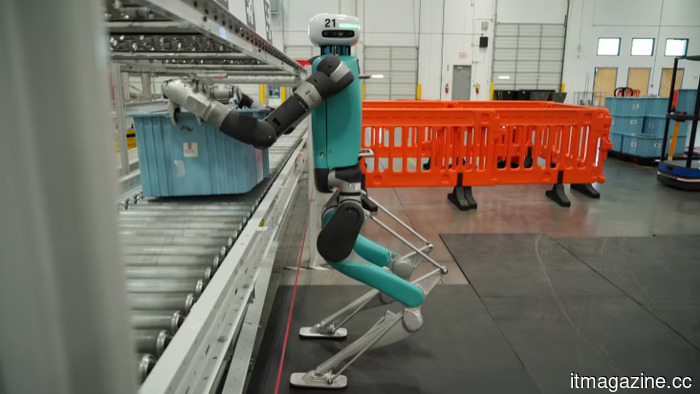 Agility Robotics is said to be going public through a SPAC deal valued at $2.5 billion.
According to a report from the WSJ, the manufacturer of the Digit humanoid robot is said to be negotiating a public listing via a SPAC merger that would value the company at approximately $2.5 billion.
Agility Robotics is said to be going public through a SPAC deal valued at $2.5 billion.
According to a report from the WSJ, the manufacturer of the Digit humanoid robot is said to be negotiating a public listing via a SPAC merger that would value the company at approximately $2.5 billion.
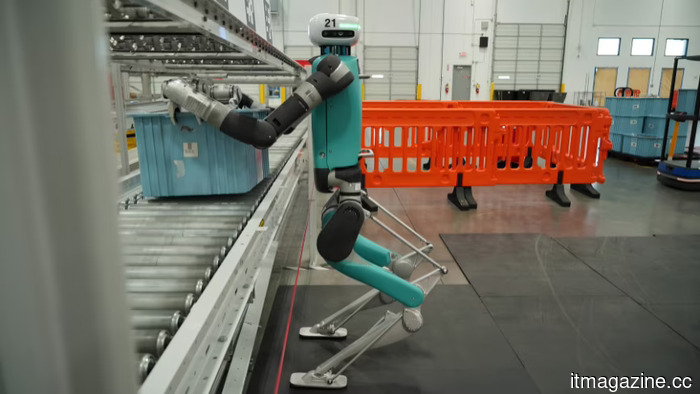 Agility Robotics is said to be going public through a SPAC transaction valued at $2.5 billion.
The creator of the Digit humanoid robot is said to be in discussions to become publicly traded via a SPAC merger that would value the company at approximately $2.5 billion, according to a report by the WSJ.
Agility Robotics is said to be going public through a SPAC transaction valued at $2.5 billion.
The creator of the Digit humanoid robot is said to be in discussions to become publicly traded via a SPAC merger that would value the company at approximately $2.5 billion, according to a report by the WSJ.
 Meta's $399 Kylie Jenner glasses will respond in her voice.
Meta's Starfire glasses, created in collaboration with Kylie Jenner and priced at $399, feature Meta AI speaking in her voice and showcase their new line of branded products.
Meta's $399 Kylie Jenner glasses will respond in her voice.
Meta's Starfire glasses, created in collaboration with Kylie Jenner and priced at $399, feature Meta AI speaking in her voice and showcase their new line of branded products.
 The US is urging Meta to permit a review of its AI, and Meta is the final remaining holdout.
According to the NYT, the Trump administration is urging Meta, the only major US developer that has not done so, to present its AI for federal evaluation.
The US is urging Meta to permit a review of its AI, and Meta is the final remaining holdout.
According to the NYT, the Trump administration is urging Meta, the only major US developer that has not done so, to present its AI for federal evaluation.
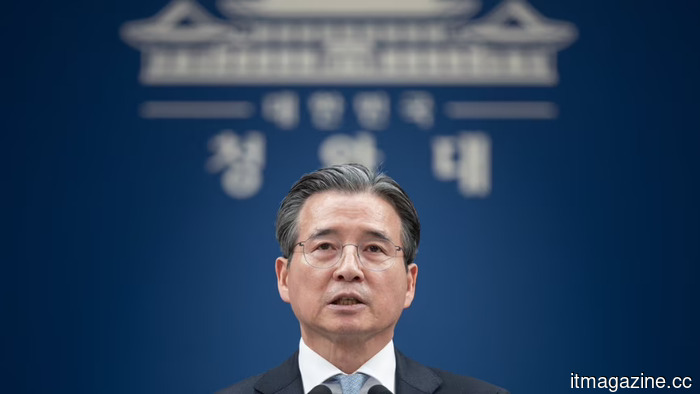 South Korea is in discussions with Samsung and SK Hynix regarding a second chip cluster.
An adviser to the president has indicated that Seoul is in talks with Samsung and SK Hynix regarding new semiconductor investments, suggesting that demand for AI may accelerate construction timelines by ten years.
South Korea is in discussions with Samsung and SK Hynix regarding a second chip cluster.
An adviser to the president has indicated that Seoul is in talks with Samsung and SK Hynix regarding new semiconductor investments, suggesting that demand for AI may accelerate construction timelines by ten years.
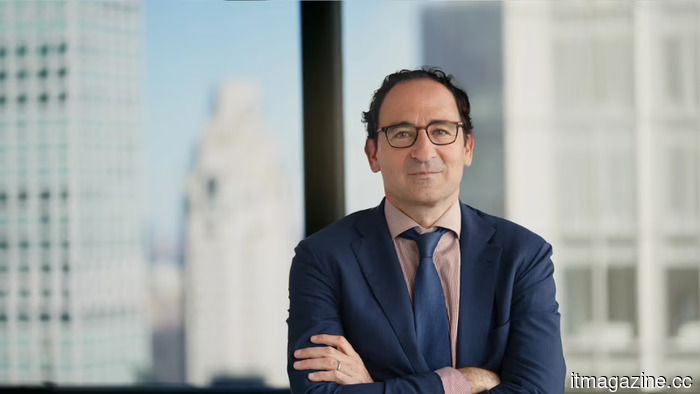 Blackstone intends to invest $30 billion in AI data centers in Japan and is not concerned about discussions surrounding a bubble.
Jonathan Gray informed Nikkei that Blackstone plans to invest $30 billion in AI data centers in Japan over the next three to five years, focusing on facilities with capacities exceeding one gigawatt.
Blackstone intends to invest $30 billion in AI data centers in Japan and is not concerned about discussions surrounding a bubble.
Jonathan Gray informed Nikkei that Blackstone plans to invest $30 billion in AI data centers in Japan over the next three to five years, focusing on facilities with capacities exceeding one gigawatt.
YouTube reaches a settlement before California's second trial concerning social media addiction.
YouTube, owned by Google, has reached a settlement with a teenage plaintiff just weeks prior to a second pivotal trial in California, while Meta, Snap, and TikTok are set to face the jury.