
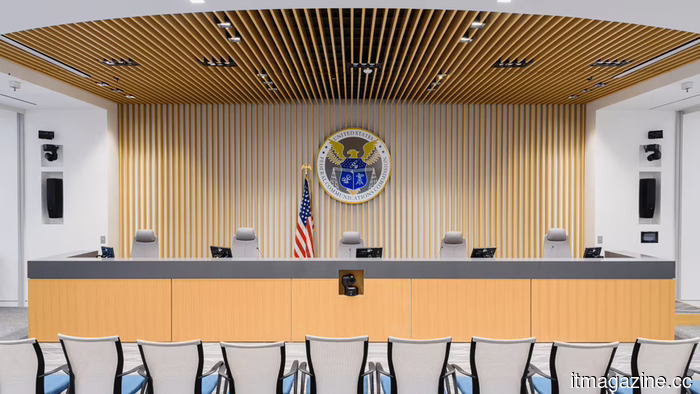
A US spectrum auction recently generated $3.5 billion to fund the removal of Huawei equipment.
The Federal Communications Commission has generated approximately $3.5 billion from an auction of mid-band wireless spectrum, with the majority of the funds designated to finance the removal of Chinese-made telecommunications equipment from U.S. networks. The agency's ongoing "rip and replace" program, which finances smaller carriers for replacing gear from Huawei and ZTE, has been lacking the funds that Congress had promised, and the auction was selected as a means to bridge that funding gap. Up to $3.3 billion of the proceeds will be used to repay a Treasury loan that has been sustaining the rip-and-replace initiative. Established by a law in 2021 with $1.9 billion allocated, the program received reimbursement requests from carriers totaling nearly $5 billion, leading to a budget shortfall that the FCC estimates to be around $3 billion.
Rather than waiting for a new funding allocation, Congress permitted the agency to auction off spectrum and allocate the proceeds back to the carriers involved in the equipment removal. The spectrum involved is the AWS-3 band, a segment of mid-band frequencies that the FCC had previously auctioned but found necessary to reauction due to a series of defaulted licenses. The agency finalized the rules in 2025 and initiated the sale this month. Mid-band spectrum serves as a critical frequency for 5G coverage, striking a balance between range and capacity that both very high and very low bands cannot achieve, which is part of the reason why the auction attracted bidders even as initial demand was gradual.
The rip-and-replace initiative is part of a broader effort to remove Chinese vendors from Western telecommunications infrastructure based on national security concerns, driven by fears that equipment supplied by companies with ties to Beijing could be utilized for surveillance or sabotage. This rationale also motivates U.S. pressure on international partners. Washington has been encouraging NATO allies to allocate defense budgets to eliminate Huawei equipment, a suggestion that was met with indifference in Brussels, where Europe remains divided on the extent of action to take.
This divide illustrates the significant challenge the U.S. has set for itself. It is estimated that Chinese vendors account for about one-third to 40 percent of Europe’s 5G infrastructure, and complete removal would constitute the largest enforced replacement of telecommunications equipment in the continent's history. The European Commission has classified Huawei and ZTE as high-risk suppliers and seeks stricter oversight, but Germany and Spain have been at the forefront of opposing a blanket ban, concerned about the costs and potential retaliation from Beijing.
While the American program is narrower in scope, it has made more progress, and the auction provides the necessary funding to continue. For the carriers awaiting reimbursement—primarily rural and regional operators that built networks using Huawei and ZTE equipment due to its affordability and reliability—the funds cannot come soon enough. Many have already disconnected the equipment with the expectation of reimbursement, yet the funding shortfall has forced some to absorb the costs in the interim. The FCC has granted multiple extensions on removal deadlines as funding issues were resolved.
The auction does not completely solve the program's funding problems, but it significantly addresses the largest portion of the shortfall without requiring new allocations from Congress. What the sale resolves is the funding issue, not the larger strategic consideration. The U.S. has determined that the presence of Chinese equipment in its networks poses a risk significant enough to warrant spending billions to eliminate, and it has now identified a method to finance this decision. The key question for the next NATO meeting will be whether allies agree on the same assessment.
Other articles
 YouTube reaches a settlement before the second trial in California regarding social media addiction.
YouTube, owned by Google, has reached a settlement with a teenage plaintiff just weeks ahead of a second bellwether trial in California, allowing Meta, Snap, and TikTok to go to trial.
YouTube reaches a settlement before the second trial in California regarding social media addiction.
YouTube, owned by Google, has reached a settlement with a teenage plaintiff just weeks ahead of a second bellwether trial in California, allowing Meta, Snap, and TikTok to go to trial.
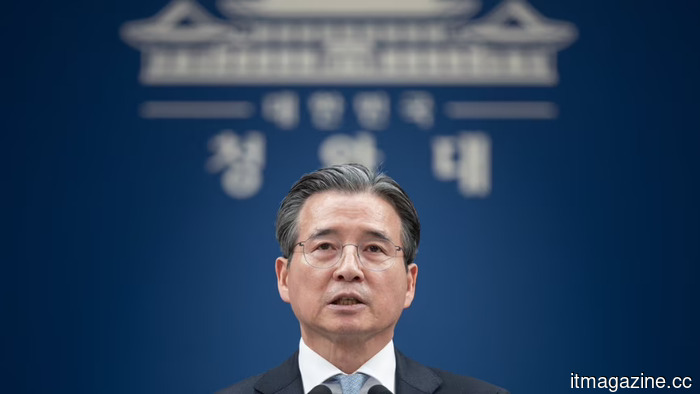 South Korea is in discussions with Samsung and SK Hynix regarding a second chip cluster.
An adviser to the president has indicated that Seoul is in talks with Samsung and SK Hynix regarding new semiconductor investments, suggesting that demand for AI may accelerate construction timelines by ten years.
South Korea is in discussions with Samsung and SK Hynix regarding a second chip cluster.
An adviser to the president has indicated that Seoul is in talks with Samsung and SK Hynix regarding new semiconductor investments, suggesting that demand for AI may accelerate construction timelines by ten years.
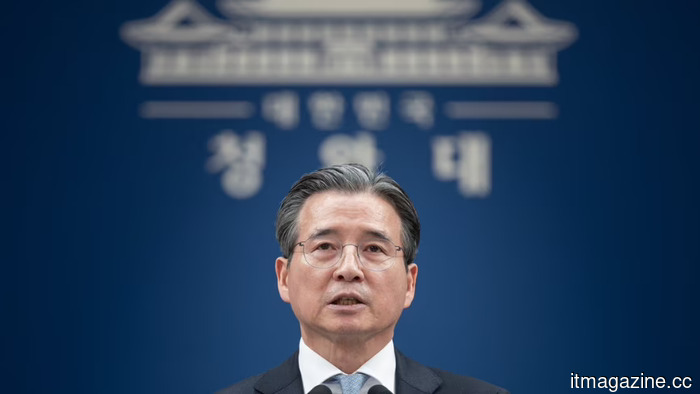 South Korea is in discussions with Samsung and SK Hynix regarding a second chip cluster.
An adviser to the president states that Seoul is in talks about new fabrication investments with Samsung and SK Hynix, suggesting that the demand for AI might accelerate construction by ten years.
South Korea is in discussions with Samsung and SK Hynix regarding a second chip cluster.
An adviser to the president states that Seoul is in talks about new fabrication investments with Samsung and SK Hynix, suggesting that the demand for AI might accelerate construction by ten years.
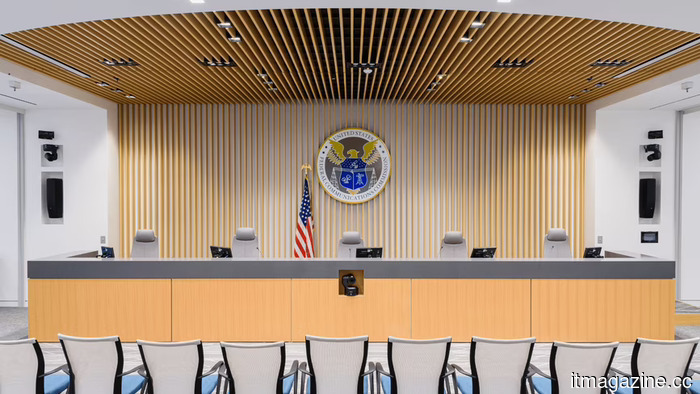 A spectrum auction in the US has generated $3.5 billion to cover the costs of removing Huawei equipment.
The AWS-3 auction conducted by the FCC generated approximately $3.5 billion, with up to $3.3 billion designated for repaying the Treasury loan supporting the rip-and-replace initiative.
A spectrum auction in the US has generated $3.5 billion to cover the costs of removing Huawei equipment.
The AWS-3 auction conducted by the FCC generated approximately $3.5 billion, with up to $3.3 billion designated for repaying the Treasury loan supporting the rip-and-replace initiative.
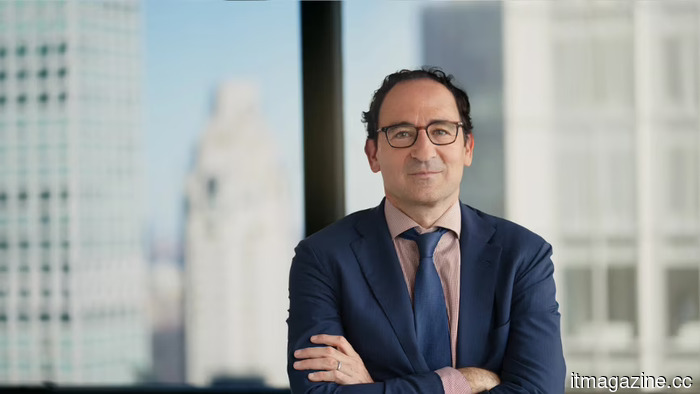 Blackstone intends to invest $30 billion in AI data centers in Japan and remains unfazed by discussions about a potential bubble.
Jonathan Gray informed Nikkei that Blackstone plans to invest $30 billion in Japanese AI data centers over a period of three to five years, targeting facilities with capacities exceeding one gigawatt.
Blackstone intends to invest $30 billion in AI data centers in Japan and remains unfazed by discussions about a potential bubble.
Jonathan Gray informed Nikkei that Blackstone plans to invest $30 billion in Japanese AI data centers over a period of three to five years, targeting facilities with capacities exceeding one gigawatt.
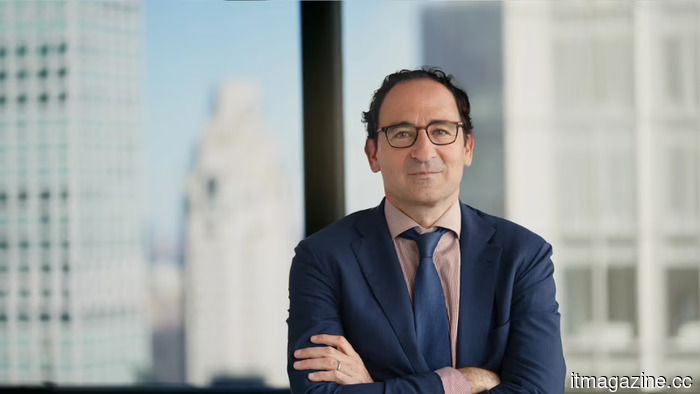 Blackstone intends to invest $30 billion in AI data centers in Japan and is not concerned about discussions surrounding a bubble.
Jonathan Gray informed Nikkei that Blackstone plans to invest $30 billion in AI data centers in Japan over the next three to five years, focusing on facilities with capacities exceeding one gigawatt.
Blackstone intends to invest $30 billion in AI data centers in Japan and is not concerned about discussions surrounding a bubble.
Jonathan Gray informed Nikkei that Blackstone plans to invest $30 billion in AI data centers in Japan over the next three to five years, focusing on facilities with capacities exceeding one gigawatt.
A US spectrum auction recently generated $3.5 billion to fund the removal of Huawei equipment.
The AWS-3 auction conducted by the FCC generated approximately $3.5 billion, with around $3.3 billion allocated to repay the Treasury loan related to the rip-and-replace initiative.