
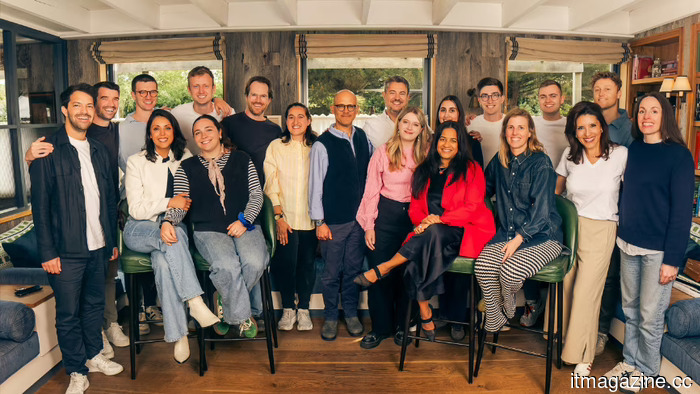
Seedcamp secures $320 million and develops a transatlantic connection.
Seedcamp has spent almost two decades making initial investments in companies before they gained wider recognition of their potential value. Notable names such as Revolut, Wise, UiPath, Synthesia, and Fluidstack have all received early funding from the London-based firm. Recently, on Monday, Seedcamp announced it has secured $320 million to continue this approach for the next generation, with a significant enhancement: an increased presence across the Atlantic.
The funds are allocated into two distinct vehicles. The flagship fund, Fund VII, comprises $220 million and is designed for initial investments that support founders at the inception stage when the company or its overarching purpose is not yet clear. Additionally, there is a separate $100 million Select fund focused on investing further in successful companies as they grow, specifically targeting the strongest portfolio firms during Series B rounds and beyond.
This structure enables Seedcamp to maintain its early-stage investment strategy while holding on to its most promising investments for a longer duration, preventing larger, later-stage investors from reaping all the benefits. A key strategic initiative for the firm is its expansion in the United States. Seedcamp aims to enhance its US team to create what it terms a “transatlantic bridge,” allowing European founders with global aspirations to access US capital, customers, and essential commercial and technical talent without having to move or delay.
The firm presents this approach as a means to assist founders in "thinking global from day one," directly addressing the prevalent issue of Europe developing strong companies that ultimately shift to the US for growth. Seedcamp has proven success in its fundraising efforts. Established in 2007 with an initial $2.5 million fund, it now manages over $1 billion in assets.
According to the firm, Fund III has returned more than 13 times its capital to limited partners on a cash basis, while Fund IV has a valuation exceeding five times its original amount on paper. These figures, disclosed by Seedcamp, reflect strong performance within the European venture capital landscape. Over 80 founders backed by the firm have since reinvested into its funds, highlighting the value of its growing network.
The direction of Fund VII is notable, with recent investments encompassing BioOrbit, a space-manufacturing enterprise, the autonomous robotics innovator Sunrise Robotics, and the AI-driven firm Dust. This portfolio indicates a shift towards AI that applies itself to scientific and physical domains instead of merely another round of software-focused initiatives.
Operating with a purposely small investment team of seven, Seedcamp emphasizes a collaborative approach, distancing itself from the industry's typical "lone wolf" mentality, with each partner engaging across the entire portfolio. “The last 20 years of European tech created companies that proved Europe could succeed,” remarked Carlos Espinal, a managing partner. “The next 20 will forge companies that shape entire global industries from the outset.” His co-managing partner, Reshma Sohoni, expressed the firm’s philosophy more straightforwardly: “Ambitious founders seek sharp insights at the most critical moments; they don't want to be sheltered.”
In a rare move for this sector, Seedcamp has made public the LP fundraising presentation it utilized to secure funding. According to the firm, the new fund enables them to enter discussions early and maintain their involvement on both sides of the Atlantic.
Other articles
 China's goal for green energy in AI data centers faces challenges with the power grid.
Beijing aims for renewable sources to provide 80% of the power for its AI data centres by 2030. However, challenges with forecasting and grid reliability are hindering progress.
China's goal for green energy in AI data centers faces challenges with the power grid.
Beijing aims for renewable sources to provide 80% of the power for its AI data centres by 2030. However, challenges with forecasting and grid reliability are hindering progress.
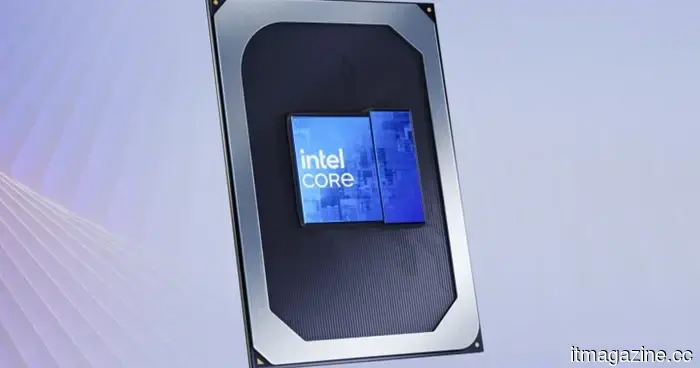 Intel Core 3 test indicates it might provide Windows laptops a competitive edge against MacBook Neo.
The upcoming Intel Core i3-304 processor has surfaced in new benchmarks, showing PassMark scores that are unexpectedly near those of Apple's MacBook Neo powered by the A18 Pro.
Intel Core 3 test indicates it might provide Windows laptops a competitive edge against MacBook Neo.
The upcoming Intel Core i3-304 processor has surfaced in new benchmarks, showing PassMark scores that are unexpectedly near those of Apple's MacBook Neo powered by the A18 Pro.
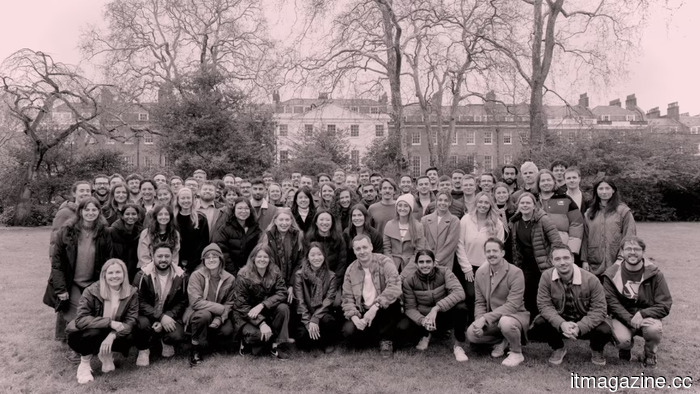 Isometric in London secures $40 million to validate the industrial sector using AI.
Isometric, based in London, has secured $40 million in a Series A funding round led by AVP to expand its AI certification platform throughout the broader industrial sector.
Isometric in London secures $40 million to validate the industrial sector using AI.
Isometric, based in London, has secured $40 million in a Series A funding round led by AVP to expand its AI certification platform throughout the broader industrial sector.
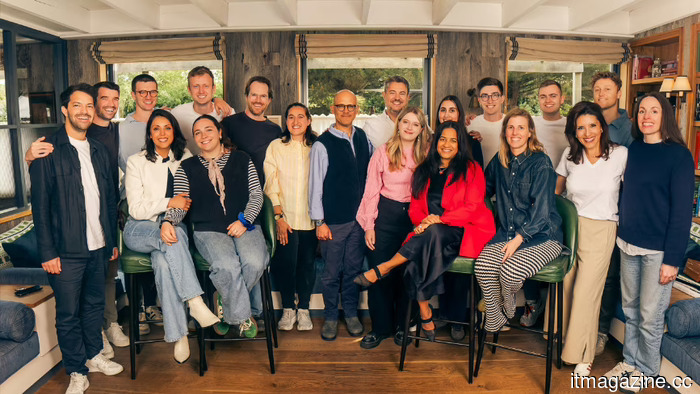 Seedcamp secures $320 million and establishes a transatlantic connection.
Europe's pioneering first-check investor has secured $320 million through two funds and has grown its US team to support founders who are building globally from the outset.
Seedcamp secures $320 million and establishes a transatlantic connection.
Europe's pioneering first-check investor has secured $320 million through two funds and has grown its US team to support founders who are building globally from the outset.
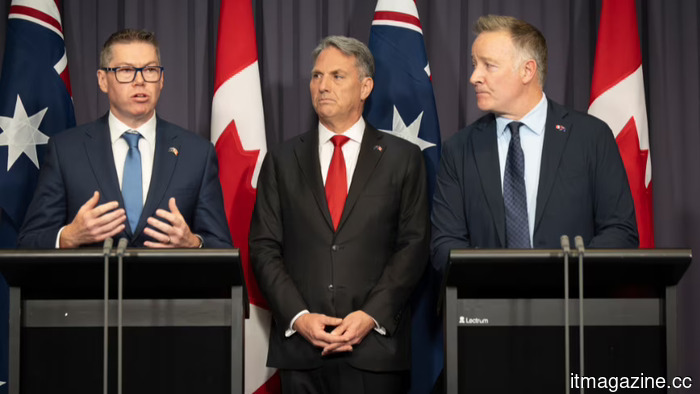 Canada purchases Australian Arctic radar in a groundbreaking A$2.5 billion defense export deal.
Canada will purchase Australia's JORN-derived radar system for monitoring the Arctic in a deal worth A$2.5 billion, marking Australia's biggest defence export to date.
Canada purchases Australian Arctic radar in a groundbreaking A$2.5 billion defense export deal.
Canada will purchase Australia's JORN-derived radar system for monitoring the Arctic in a deal worth A$2.5 billion, marking Australia's biggest defence export to date.
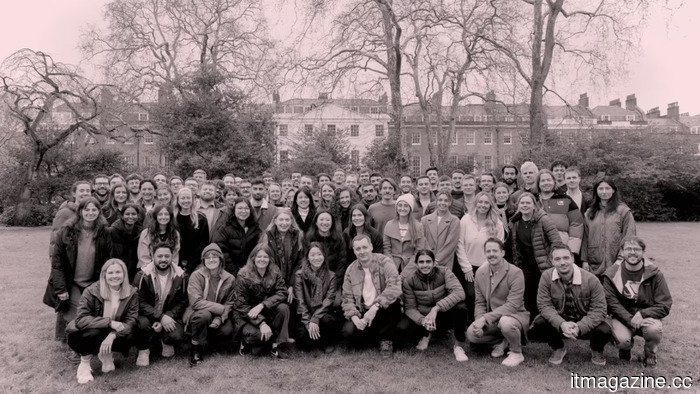 Isometric, based in London, secures $40 million to validate the industrial economy using AI.
Isometric, based in London, has secured $40 million in Series A funding, led by AVP, to expand its AI certification platform throughout the broader industrial sector.
Isometric, based in London, secures $40 million to validate the industrial economy using AI.
Isometric, based in London, has secured $40 million in Series A funding, led by AVP, to expand its AI certification platform throughout the broader industrial sector.
Seedcamp secures $320 million and develops a transatlantic connection.
Europe's pioneering first-check investor has secured $320 million through two funds and has grown its US team to support founders who are building on a global scale from the outset.