
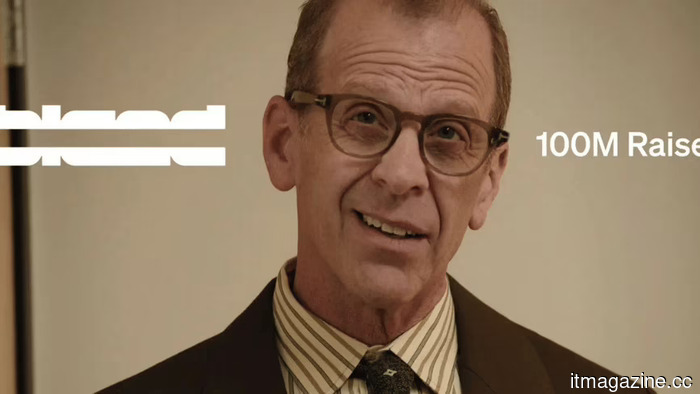
After being turned down by 180 investors, Bland secures $50 million for voice AI.
Isaiah Granet spent three weeks at Y Combinator being rejected by 180 investors, who consistently claimed that phone calls would become obsolete within a year. He has since raised over $100 million to challenge that notion.
His startup, Bland, has secured a $50 million Series C funding round led by Dell Technologies Capital, as reported by Fortune. Other investors include HubSpot Ventures, Archerman, and Tribeca, alongside existing supporters like Emergence Capital, Upfront Ventures, Scale Venture Partners, and Y Combinator.
The list of angel investors features notable names such as Max Levchin from Affirm, Twilio’s co-founder Jeff Lawson, and Piotr Dabkowski, the chief technology officer of voice-AI leader ElevenLabs.
Owning the model
While most voice AI tools utilize existing models, Bland does the opposite. The platform operates solely on its proprietary voice models and does not allow clients to integrate OpenAI or Anthropic, regardless of requests.
Granet told Fortune, “We are one of a kind in this regard.” Their message to clients is straightforward: here is your solution, and we will retain ownership of the outcomes.
Dell Technologies Capital partner Elana Lian, who led this funding round, referred to voice as “one of the toughest challenges in AI” and highlighted their model ownership as a key differentiator.
The 45-minute phone call
The inspiration behind the startup was personal. Co-founder Sobhan Nejad’s aunt struggled to contact her insurance provider and was denied treatment. This motivated the two engineers to create an agent capable of remaining on the line long enough to resolve such issues.
This is their strategy. Competitors typically manage brief, scripted calls like appointment reminders or password resets, while a standard Bland call lasts between 30 to 45 minutes.
In the healthcare sector, the company claims this could involve guiding an elderly patient through measuring their blood pressure and deciding in real-time whether to escalate the situation to emergency services.
The scale is significant, at least according to the company's figures.
Bland asserts it currently handles over 3.5 million calls weekly, processed over 175 million AI calls last year, and serves more than 250 enterprise customers, including Samsara, Kin Insurance, and CNO Financial Group. It aims to target the same enterprises from which AI has already started withdrawing resources in call centers.
A crowded, skeptical market
Competition is increasing. PolyAI, a Cambridge spinout working with FedEx and Marriott, raised $86 million at a $750 million valuation in December. Competitors like Replicant, Observe.ai, Retell AI, and Cognigy are vying for the same budgets and are already integrated within established call-center infrastructures.
The bigger challenge is overcoming resistance. Granet recounts meetings with major call centers that have yet to explore voice AI and continue to rely on traditional phone trees and outdated systems. The primary sectors for Bland—healthcare and financial services—are also subject to stringent regulations regarding data handling, disclosure, and HIPAA compliance.
To accommodate sensitive customers, the company provides self-hosted deployment options, a sovereignty approach now common in enterprise voice AI.
Granet is frank about the risks involved. The estimated value of the call-center AI market is around $3 billion today, potentially rising to $13.5 billion by 2034. However, he believes the actual opportunity is much larger. “There’s a possibility that we’re mistaken, and we fail,” he admitted. “But there’s also a possibility that we’re correct, and it evolves into a $100 billion opportunity.”
Other articles
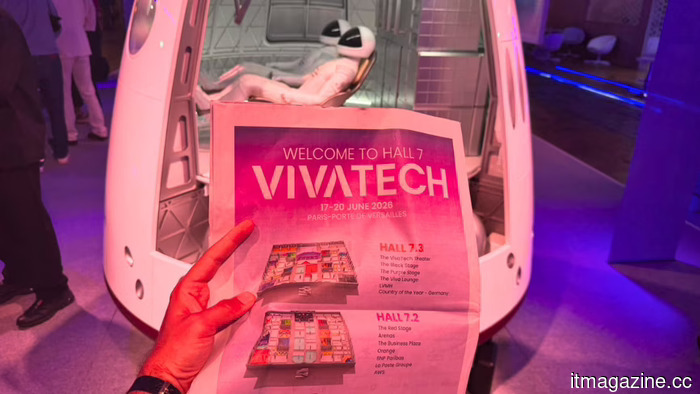 VivaTech celebrates its 10th anniversary and fully invests in AI that delivers real results.
VivaTech 2026 attracted 200,000 attendees to Paris for its tenth edition: Bezos presented his vision for the Moon, while Modi and Macron proposed an alternative approach to AI, and the exhibition showcased robots.
VivaTech celebrates its 10th anniversary and fully invests in AI that delivers real results.
VivaTech 2026 attracted 200,000 attendees to Paris for its tenth edition: Bezos presented his vision for the Moon, while Modi and Macron proposed an alternative approach to AI, and the exhibition showcased robots.
 Retailers are seeking an exemption for AI-generated advertisements from the transparency regulations set by the EU.
A retail association contends that advertisements created by AI should be excluded from the transparency regulations outlined in Article 50 of the EU AI Act before they take effect in August.
Retailers are seeking an exemption for AI-generated advertisements from the transparency regulations set by the EU.
A retail association contends that advertisements created by AI should be excluded from the transparency regulations outlined in Article 50 of the EU AI Act before they take effect in August.
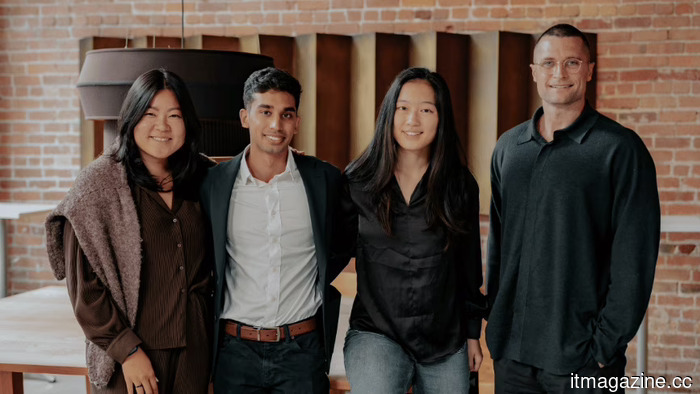 Andera secures $37 million to automate auditing using AI.
Andera secured a $37 million Series A funding round led by Lightspeed to enhance internal audits through AI, addressing the Excel-dependent workload that has seen little change since 2002.
Andera secures $37 million to automate auditing using AI.
Andera secured a $37 million Series A funding round led by Lightspeed to enhance internal audits through AI, addressing the Excel-dependent workload that has seen little change since 2002.
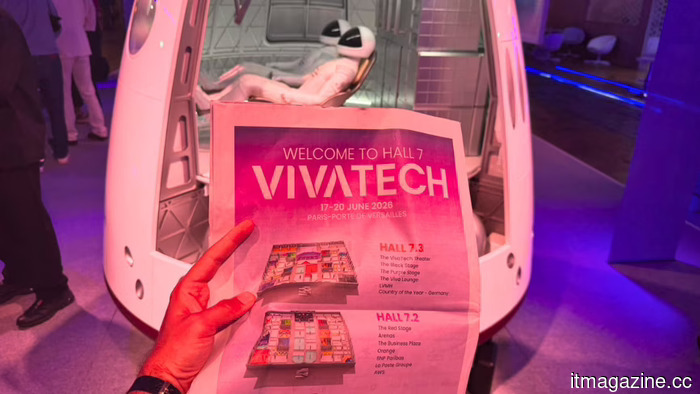 VivaTech celebrates its 10th anniversary and is fully investing in AI that delivers real results.
VivaTech 2026 attracted 200,000 attendees to Paris for its 10th anniversary: Bezos discussed lunar ventures, while Modi and Macron proposed an alternative approach to AI, and the exhibition showcased robots.
VivaTech celebrates its 10th anniversary and is fully investing in AI that delivers real results.
VivaTech 2026 attracted 200,000 attendees to Paris for its 10th anniversary: Bezos discussed lunar ventures, while Modi and Macron proposed an alternative approach to AI, and the exhibition showcased robots.
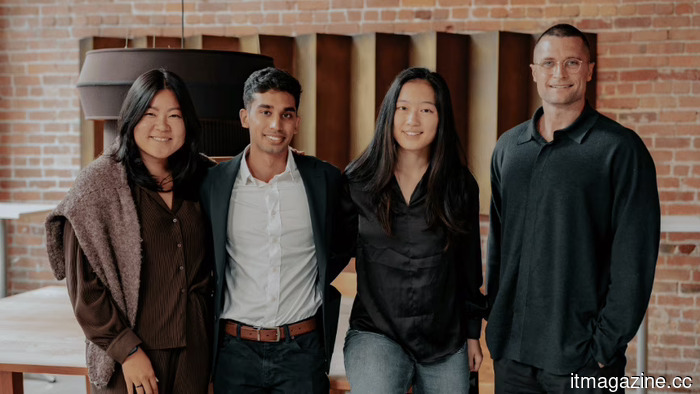 Andera secures $37 million to enhance audit automation through AI technology.
Andera secured a $37 million Series A funding round led by Lightspeed to automate internal audits using AI, addressing the Excel-intensive process that has seen little change since 2002.
Andera secures $37 million to enhance audit automation through AI technology.
Andera secured a $37 million Series A funding round led by Lightspeed to automate internal audits using AI, addressing the Excel-intensive process that has seen little change since 2002.
 Databricks acquires Panther Labs to enhance its cybersecurity efforts.
Databricks is acquiring Panther Labs, marking its third transaction in the cybersecurity sector, to establish a 'security lakehouse' and compete with Splunk and CrowdStrike using AI agents.
Databricks acquires Panther Labs to enhance its cybersecurity efforts.
Databricks is acquiring Panther Labs, marking its third transaction in the cybersecurity sector, to establish a 'security lakehouse' and compete with Splunk and CrowdStrike using AI agents.
After being turned down by 180 investors, Bland secures $50 million for voice AI.
Voice AI startup Bland secured $50 million in a Series C funding round led by Dell Technologies Capital, confident that its proprietary models can manage calls that typically require human intervention.