
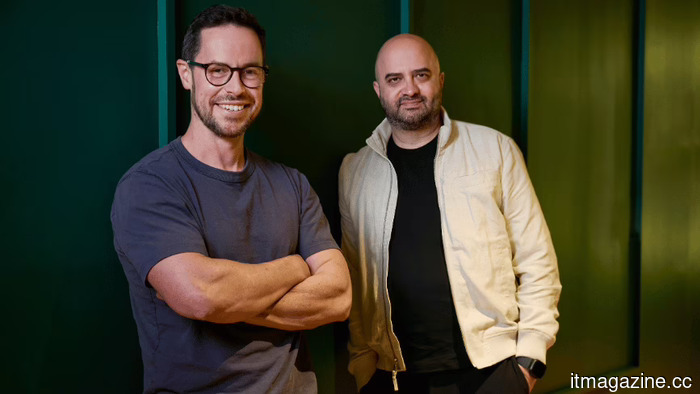
Nvidia-supported Verse secures $54 million for AI data center energy.
For years, the limited resource in artificial intelligence was chips. Now, however, it is power. Verse Enterprises aims to eliminate this bottleneck. The San Francisco startup has secured an oversubscribed $54 million in Series B funding, led by Bessemer Venture Partners. GV, Nvidia, and Norrsken VC also invested.
The competition in AI has shifted to a competition for power. Data centers are expanding quicker than the power grid can support. In many areas, developers experience long waits, sometimes years, just to connect. Shortages in power generation, transmission issues, and lengthy interconnection queues contribute to these delays. The strain is widespread; for instance, Denmark recently halted new grid connections as AI data centers overwhelmed its system, while the EU has requested that households reduce power consumption during peak hours. Verse claims that hundreds of data centers are stuck in utility queues, resulting in a potential loss of $500 billion in annual revenue.
Bypassing the wait with batteries
Verse's solution is to bypass the queue. Its new product, Dispatch Intelligence, manages on-site batteries and solar energy in real-time. This allows the grid to register a flexible load instead of a constant one, ensuring that the data center never limits its computing power.
For hardware, Verse has partnered with battery developer Calibrant Energy, which provides the on-site storage and solar power, while Verse handles the software. This approach mirrors the behind-the-meter strategy currently attracting funding toward clean-energy-as-a-service startups. Together, the companies claim they can introduce new capacity up to three years sooner. “Clean energy is indeed the economic and practical solution due to its rapid deployment capabilities,” stated Verse co-founder and CEO Seyed Madaeni.
Will utilities cooperate?
However, this model is not guaranteed to succeed. Allison Weis, the global head of storage at Wood Mackenzie, notes that flexibility can lower the barriers to connection but doesn't ensure it. Utilities have yet to establish standards regarding what data centers need to do to expedite their online status, nor have they confirmed if batteries or on-site power will be considered. “There’s no uniform framework,” Weis remarked. This may soon change as U.S. federal regulators are set to release guidance on accelerating data-center connections. The unresolved issue remains who will bear the costs: the hyperscalers through their own generation, or everyone else through grid upgrades.
Funding allocation
Verse is not the only player in this arena. Nvidia is also supporting Emerald AI, which develops similar software, and Verse is integrating Dispatch Intelligence into Nvidia's DSX AI Factory design for large-scale sites. The chipmaker has a vested interest in assisting, as each data center stuck in a queue represents one that cannot purchase its chips.
The startup plans to act quickly, aiming to manage over 100 sites within a year. For Verse, clean energy is no longer an alternative option; it is the shortcut.
Other articles
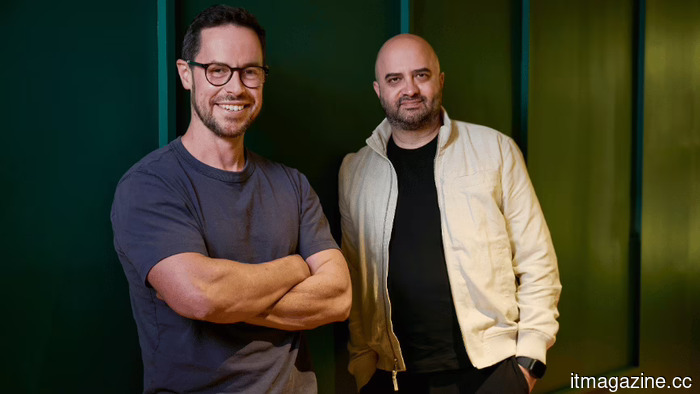 Verse, supported by Nvidia, has secured $54 million to enhance AI data center capabilities.
Verse secured $54 million in a Series B funding round led by Bessemer, with support from Nvidia, to assist AI data centers in bypassing the grid queue through the use of on-site batteries.
Verse, supported by Nvidia, has secured $54 million to enhance AI data center capabilities.
Verse secured $54 million in a Series B funding round led by Bessemer, with support from Nvidia, to assist AI data centers in bypassing the grid queue through the use of on-site batteries.
 Google is enhancing Pixel Screenshots with cloud AI while ensuring your data remains private.
The latest update to Google's Pixel Screenshots app introduces cloud-based AI processing, enhancing its ability to search and analyze your screenshots while ensuring that data remains within a hardware-secured environment.
Google is enhancing Pixel Screenshots with cloud AI while ensuring your data remains private.
The latest update to Google's Pixel Screenshots app introduces cloud-based AI processing, enhancing its ability to search and analyze your screenshots while ensuring that data remains within a hardware-secured environment.
 Two of the most popular games in the Call of Duty franchise are set to be released on modern PlayStation consoles.
Treyarch has announced that Call of Duty: Black Ops and Black Ops 2 are being adapted for current PlayStation consoles by Iron Galaxy. These iconic shooters will feature campaign mode, multiplayer, and Zombies, providing PlayStation users the opportunity to return to two of the franchise’s most cherished titles.
Two of the most popular games in the Call of Duty franchise are set to be released on modern PlayStation consoles.
Treyarch has announced that Call of Duty: Black Ops and Black Ops 2 are being adapted for current PlayStation consoles by Iron Galaxy. These iconic shooters will feature campaign mode, multiplayer, and Zombies, providing PlayStation users the opportunity to return to two of the franchise’s most cherished titles.
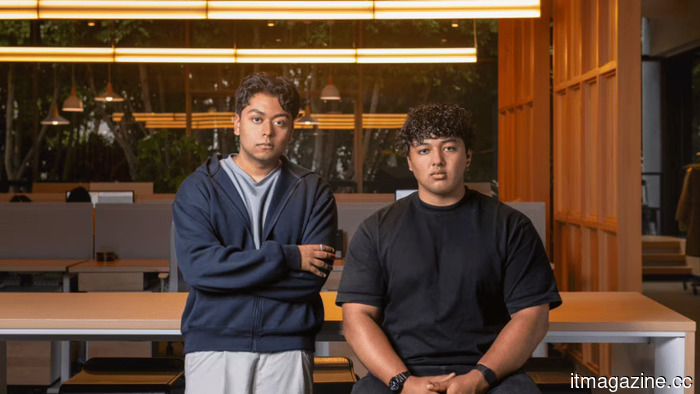 Architect Labs secures $24 million for the design of custom AI chips.
Architect Labs secured $24 million in seed funding led by Kindred Ventures to develop an AI that designs and validates custom chips, positioning itself against Broadcom and Marvell.
Architect Labs secures $24 million for the design of custom AI chips.
Architect Labs secured $24 million in seed funding led by Kindred Ventures to develop an AI that designs and validates custom chips, positioning itself against Broadcom and Marvell.
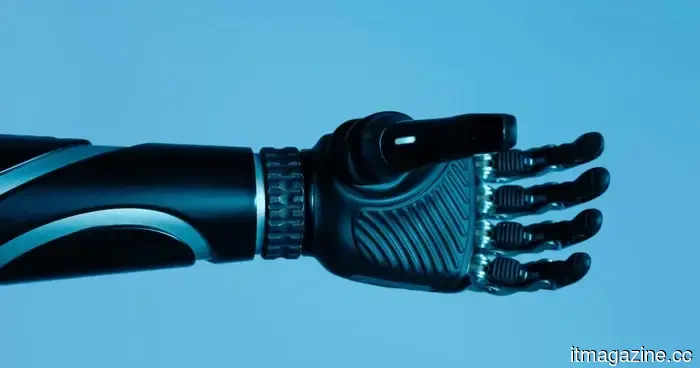 MIT specialists have created a unique memory system. While humans may forget, robots will simply retrieve the forgotten item.
Researchers at MIT have created an AI memory system that enables robots to retain information about objects, places, and specifics from real-world settings over time.
MIT specialists have created a unique memory system. While humans may forget, robots will simply retrieve the forgotten item.
Researchers at MIT have created an AI memory system that enables robots to retain information about objects, places, and specifics from real-world settings over time.
 Honor's latest Watch 6 offers battery life that Apple Watch users can only wish for.
The Honor Watch 6 is set to launch worldwide, boasting a battery life of 35 days, a vibrant display, wet touch controls, and specific tracking modes for football and badminton.
Honor's latest Watch 6 offers battery life that Apple Watch users can only wish for.
The Honor Watch 6 is set to launch worldwide, boasting a battery life of 35 days, a vibrant display, wet touch controls, and specific tracking modes for football and badminton.
Nvidia-supported Verse secures $54 million for AI data center energy.
Verse secured $54 million in a Series B funding round led by Bessemer, with Nvidia as one of the investors, to assist AI data centers in bypassing the grid queue by utilizing on-site batteries.