
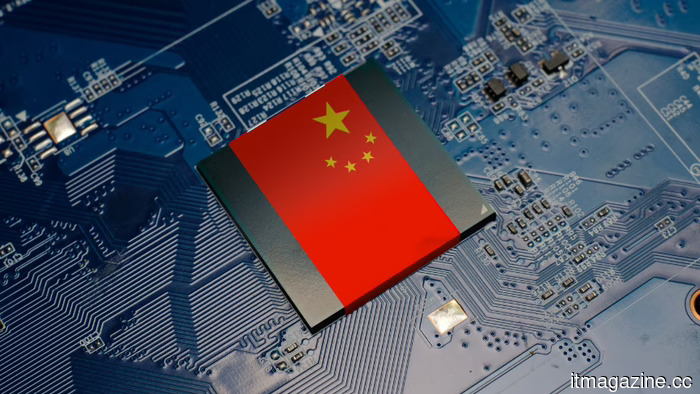
China promotes free AI for developing nations as the G7 discusses access to American models.
China is pushing for the creation of a global AI cooperation organization and is offering affordable or free AI models. Meanwhile, the G7 is considering access to American AI technologies for "trusted partners." Two distinct systems of AI governance are emerging.
Wang Yi, China’s leading diplomat, announced on Wednesday that Beijing is "accelerating the establishment of a global AI cooperation organization" and extended an invitation to all nations to participate. This statement coincided with the conclusion of the G7 summit in France, where there were discussions regarding providing "trusted partners" access to advanced US AI models, as reported by Reuters. Publicly, two competing frameworks for AI governance are taking shape.
Wang made these remarks during the unveiling of China's global governance whitepaper, which criticized trade conflicts and stressed support for the Global South. Zhao Haibing, vice chair of China’s top economic authority, opposed "closed, exclusive, and monopolistic approaches to technology development," a direct reference to the United States.
The timing of these declarations is strategic. The US Commerce Department instructed Anthropic to discontinue Fable 5 and Mythos 5 last week, effectively severing access for all foreign users. During the G7 discussions, Anthropic and Google DeepMind advocated for a US-led coalition on AI to establish international regulations, with Canada in agreement, while China was not included.
The differing approaches are evident: US AI models operate on a subscription basis and are increasingly restricted by export controls. In contrast, China's focus is on providing low-cost or free models available for download without restrictions. Tools like DeepSeek and Qwen, along with other open-weight models from China, are accessible to anyone with internet access. The Global South, which lacks the means to pay for enterprise AI subscriptions and was excluded from the G7's "trusted partner" framework, faces a clear choice between these two systems.
China aims to advance its AI diplomacy through established multilateral organizations, with Wang highlighting collaboration through BRICs and the Shanghai Cooperation Organization. Zhao referenced initiatives like China’s “AI Capacity Building for All,” support for the UN in global AI governance, and projects aimed at assisting developing countries with technology and expertise.
Last month, both the US and China agreed to collaborate on AI safety measures, although few specifics have been revealed. President Xi Jinping introduced a “Global Governance Initiative” at the SCO last summer. Premier Li Qiang announced the establishment of the global AI cooperation organization at a conference in Shanghai in July 2025, shortly after the Trump administration disclosed its AI action plan promoting US tech development abroad.
The division between the two systems is becoming clearer. The US is fostering an alliance of affluent democracies with limited access to its most advanced models, while China is creating data sharing platforms, promoting governance through the Digital Silk Road, and leveraging AI distribution as a geopolitical instrument. For the 6 billion individuals outside the G7, the pressing question is not which system is superior, but which one arrives first.
Other articles
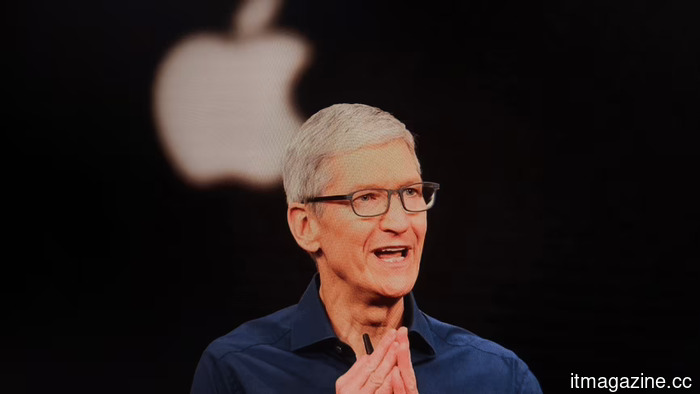 Apple investors are growing impatient with the delays in AI developments following WWDC.
Apple's stock lags behind the Nasdaq 100 by nine points this year. Following an underwhelming WWDC and the introduction of Siri AI as a beta, Wall Street is seeking tangible results rather than just plans.
Apple investors are growing impatient with the delays in AI developments following WWDC.
Apple's stock lags behind the Nasdaq 100 by nine points this year. Following an underwhelming WWDC and the introduction of Siri AI as a beta, Wall Street is seeking tangible results rather than just plans.
 Do you have a smartwatch? You can now participate in a study that examines how the football World Cup impacts your heart.
Bielefeld University is calling on smartwatch users to participate in a World Cup research project that monitors how football games influence fans' heart rates, stress levels, movement, and sleep patterns.
Do you have a smartwatch? You can now participate in a study that examines how the football World Cup impacts your heart.
Bielefeld University is calling on smartwatch users to participate in a World Cup research project that monitors how football games influence fans' heart rates, stress levels, movement, and sleep patterns.
 PsiQuantum makes advancements in the development of a utility-scale quantum computer.
The Palo Alto startup has begun construction in Queensland, supported by A$940 million from the Australian government and $100 million from the US CHIPS Act. A functional machine is still years in the future.
PsiQuantum makes advancements in the development of a utility-scale quantum computer.
The Palo Alto startup has begun construction in Queensland, supported by A$940 million from the Australian government and $100 million from the US CHIPS Act. A functional machine is still years in the future.
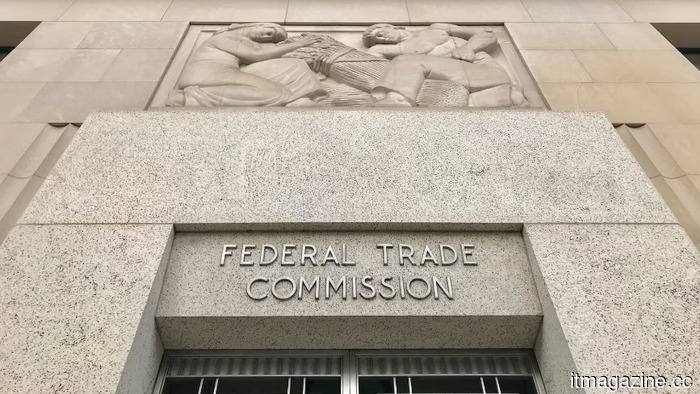 FTC halts extensive subscription business operating through shell companies in Cyprus and Delaware.
The FTC has secured a court order to freeze Genesis Tech, a group of 15 companies responsible for apps such as Nebula and MadMuscles, due to misleading subscription practices.
FTC halts extensive subscription business operating through shell companies in Cyprus and Delaware.
The FTC has secured a court order to freeze Genesis Tech, a group of 15 companies responsible for apps such as Nebula and MadMuscles, due to misleading subscription practices.
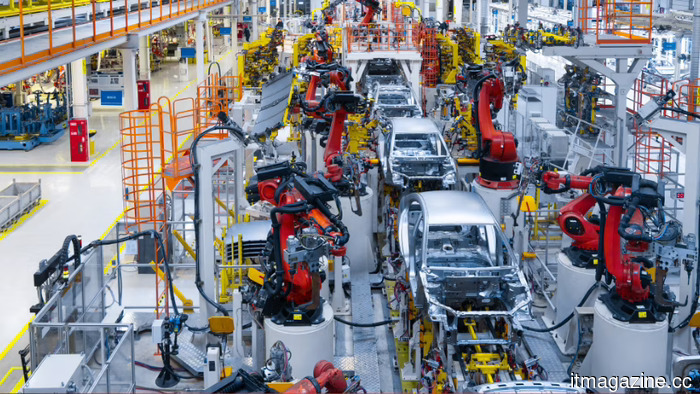 European automakers are shifting their focus to defense as demand for electric vehicles decreases and military budgets increase.
In the last week, Ineos, Daimler Truck, Mercedes-Benz, and Renault each revealed partnerships focused on military vehicles. The automotive sector is adapting for increased defense production.
European automakers are shifting their focus to defense as demand for electric vehicles decreases and military budgets increase.
In the last week, Ineos, Daimler Truck, Mercedes-Benz, and Renault each revealed partnerships focused on military vehicles. The automotive sector is adapting for increased defense production.
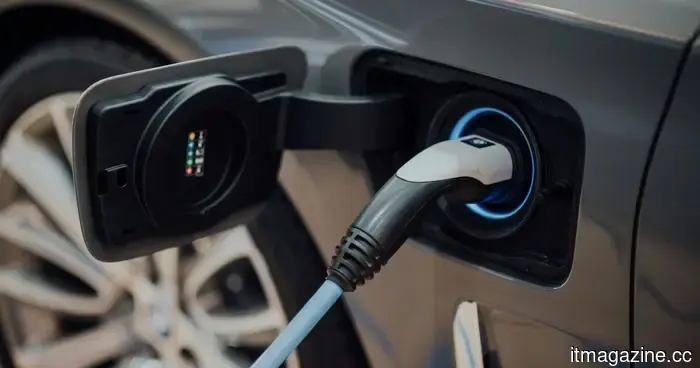 China has established new safety regulations for electric vehicles. The United States should take similar action.
China's updated safety regulations for electric vehicles implement stricter battery fire testing and require physical power shutoff mechanisms, setting a higher standard as the U.S. considers ways to enhance the safety of electric cars.
China has established new safety regulations for electric vehicles. The United States should take similar action.
China's updated safety regulations for electric vehicles implement stricter battery fire testing and require physical power shutoff mechanisms, setting a higher standard as the U.S. considers ways to enhance the safety of electric cars.
China promotes free AI for developing nations as the G7 discusses access to American models.
China's leading diplomat has proposed the establishment of a global organization for AI collaboration while the G7 deliberated on "trusted partner" access to American models. Two different perspectives on AI governance are emerging.