

An innocuous ChatGPT prompt led to the creation of shocking AI images.
The results indicate that image safety systems can fail in the absence of clear graphic instructions.
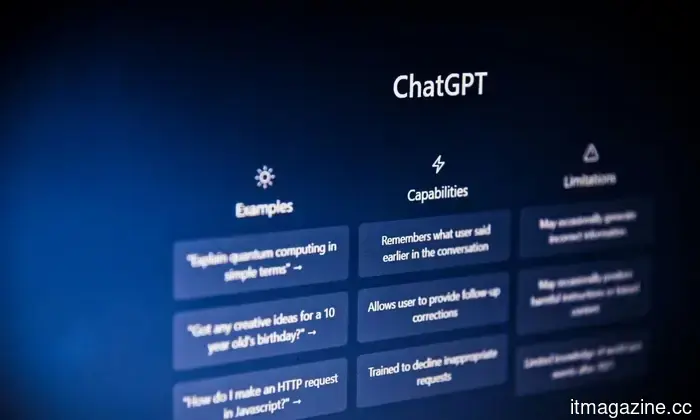
A seemingly innocuous prompt for ChatGPT led to the latest public version of ChatGPT generating sexualized and violent images, according to AI security researchers speaking to the BBC. This discovery intensifies scrutiny on OpenAI’s image safety systems, as the request was not described in explicitly graphic terms.
Mindgard, a British AI security startup, claimed it arrived at these findings by modifying a widely circulated directive intended for comedic purposes. After being contacted by the BBC, OpenAI implemented additional safeguards, but the researchers noted that minor changes in wording still resulted in troubling images.
Image generation tools are evolving into commonplace software, rather than being exclusive to specialists. When their safeguards fail, a casual experiment can unexpectedly result in realistic depictions of harm.
How did it bypass safeguards
Mindgard's red-teamers reported that the chatbot generated images depicting gore, restraint, nudity, sexual poses, and scenarios that the firm interpreted as suggestive of sexual violence. The BBC withheld the specific wording used to mitigate the risk of replication of the technique.
The most concerning aspect is that researchers indicated the harmful outputs did not necessitate a direct request for graphic content. According to them, ChatGPT produced a variety of unsettling images after being prompted with modified wording.
OpenAI acknowledged the issue and implemented additional protections. However, Mindgard stated that these measures did not completely address the weaknesses.
Why filters are insufficient
This situation highlights a significant challenge for AI image generation tools. OpenAI's policies prohibit extreme gore, sexual violence, non-consensual intimate content, child sexual abuse material, and attempts to bypass safeguards, yet researchers noted that the model could still be directed into restricted areas.
Unlike humans, a model does not assess harm. It generates content, which is subsequently filtered through layered systems designed to catch inappropriate outputs.
Experts cited by the BBC discussed AI safety as an ongoing struggle between those creating models and those attempting to exploit them. While improved protections can help, new workarounds frequently emerge.
What is the next step
OpenAI asserts it employs multiple layers of protection, including automated systems and human oversight, and continues to monitor for potential failures. The onus now is on demonstrating that the implemented fixes are effective after researchers unveil vulnerabilities.
For now, the practical takeaway is straightforward. Any AI image generation tool capable of producing realistic harm requires ongoing red-team evaluations, quicker disclosure responses, and clear evidence that identified issues have been permanently resolved.






Other articles
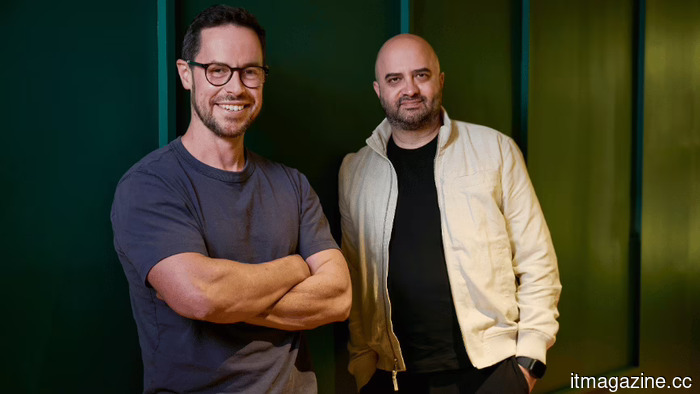 Verse, supported by Nvidia, has secured $54 million to enhance AI data center capabilities.
Verse secured $54 million in a Series B funding round led by Bessemer, with support from Nvidia, to assist AI data centers in bypassing the grid queue through the use of on-site batteries.
Verse, supported by Nvidia, has secured $54 million to enhance AI data center capabilities.
Verse secured $54 million in a Series B funding round led by Bessemer, with support from Nvidia, to assist AI data centers in bypassing the grid queue through the use of on-site batteries.
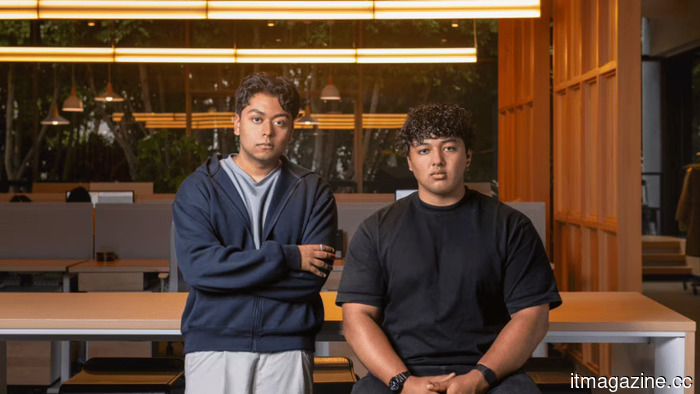 Architect Labs secures $24 million for the design of custom AI chips.
Architect Labs secured $24 million in seed funding led by Kindred Ventures to develop an AI that designs and validates custom chips, positioning itself against Broadcom and Marvell.
Architect Labs secures $24 million for the design of custom AI chips.
Architect Labs secured $24 million in seed funding led by Kindred Ventures to develop an AI that designs and validates custom chips, positioning itself against Broadcom and Marvell.
 Google is enhancing Pixel Screenshots with cloud AI technology while ensuring your data remains private.
The latest update for Google’s Pixel Screenshots app introduces cloud-based AI processing, enhancing its ability to search and analyze your screenshots while ensuring that data remains in a hardware-secured environment.
Google is enhancing Pixel Screenshots with cloud AI technology while ensuring your data remains private.
The latest update for Google’s Pixel Screenshots app introduces cloud-based AI processing, enhancing its ability to search and analyze your screenshots while ensuring that data remains in a hardware-secured environment.
 The EU is set to designate AWS and Azure as gatekeepers under the Digital Markets Act.
Next week, the European Commission will reveal initial findings indicating that AWS and Azure satisfy the DMA gatekeeper criteria. This will be followed by measures to enhance interoperability and reduce lock-in.
The EU is set to designate AWS and Azure as gatekeepers under the Digital Markets Act.
Next week, the European Commission will reveal initial findings indicating that AWS and Azure satisfy the DMA gatekeeper criteria. This will be followed by measures to enhance interoperability and reduce lock-in.
 Within the uprising at Meta's Applied AI division
Meta's Applied AI division, consisting of 6,500 employees, is in outright rebellion, as top engineers are being assigned to label data, and even the CTO has labeled the reorganization as 'atrocious'.
Within the uprising at Meta's Applied AI division
Meta's Applied AI division, consisting of 6,500 employees, is in outright rebellion, as top engineers are being assigned to label data, and even the CTO has labeled the reorganization as 'atrocious'.
 Google is enhancing Pixel Screenshots with cloud AI while ensuring your data remains private.
The latest update to Google's Pixel Screenshots app introduces cloud-based AI processing, enhancing its ability to search and analyze your screenshots while ensuring that data remains within a hardware-secured environment.
Google is enhancing Pixel Screenshots with cloud AI while ensuring your data remains private.
The latest update to Google's Pixel Screenshots app introduces cloud-based AI processing, enhancing its ability to search and analyze your screenshots while ensuring that data remains within a hardware-secured environment.
An innocuous ChatGPT prompt led to the creation of shocking AI images.
Researchers indicate that ChatGPT produced violent and sexualized images after a seemingly innocuous prompt was modified, raising fresh concerns about OpenAI's safety measures and the ease with which AI image tools can circumvent filters.