
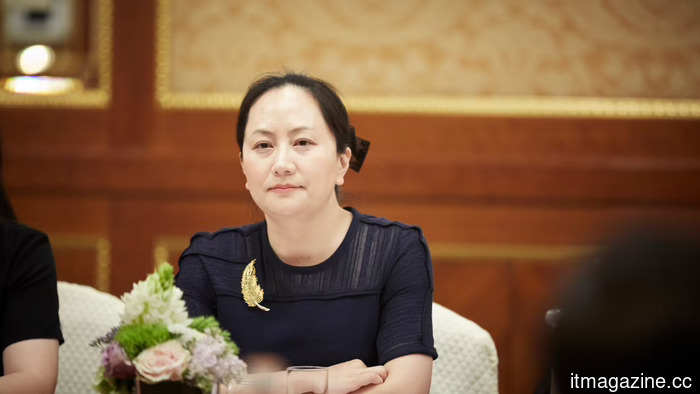
A US judge has determined that the admissions made by Huawei's CFO can be utilized against the company.
A statement signed by Meng Wanzhou to alleviate her own legal risks can now be used against the company she assists in running. A judge in Brooklyn ruled on Tuesday that admissions made by Huawei’s chief financial officer as part of a 2021 agreement that allowed her to avoid prosecution are admissible in the criminal case against Huawei, which is set to go to trial in September.
The key document in this ruling is a four-page statement of facts. In it, Meng admitted to misleading a financial institution regarding Huawei’s adherence to US sanctions and export-control laws, an acknowledgment linked to the bank-fraud charges she faced due to the company's dealings with Iran. She made these admissions to secure a deferred-prosecution deal that resolved her personal case and ended her lengthy detention in Canada, representing a cost of her freedom. US District Judge Ann Donnelly determined that Huawei could not isolate that statement from its own trial.
“Huawei Tech should not be able to argue that admitting the statement of its senior executive regarding her conduct related to her job, which Huawei Tech endorsed, violates its rights,” she stated. The rationale is that Meng was discussing her work for Huawei, and the company cannot disavow her statements while continuing to employ her at a senior level.
The practical implications are quite significant. Prosecutors heading into the September trial can now present to a jury an admission from Huawei’s own CFO that the company misled a bank about its compliance with sanctions. This evidence differs from that provided by outsiders or inferred by investigators; it originates from within the company, as reflected in a document signed by Huawei’s own executive.
The case against Huawei is a crucial part of the long-standing US campaign against the company, which Washington has viewed as a national-security threat for years, employing both export controls and criminal prosecution. The allegations related to Iran sanctions represent the older, fraud-focused aspect of that effort, predating a lot of the chip-era restrictions but remaining central to the criminal risks Huawei still faces.
Huawei has consistently structured its strategy around resisting American pressure rather than capitulating, developing domestic technologies to work around sanctions and contesting US actions whenever possible. The Brooklyn ruling represents a setback on a different front, in the courtroom rather than the supply chain, and one that the company cannot navigate around.
The ruling hinges on principles of corporate law as much as criminal procedure. Donnelly’s reasoning, that a company retaining an executive in a senior position adopts her statements regarding her work, closes a pathway Huawei might have otherwise used to separate itself from Meng’s admissions. Firms routinely contend that the admissions made by an individual to resolve their personal case should not bind the corporation; however, the judge concluded that the relationship between Meng and Huawei is too intertwined for such a separation to apply.
The implications unfold against a backdrop of the US viewing Huawei as a strategic rival, not simply as a defendant. Repeated rounds of export controls have aimed to sever the company's access to advanced chips and technology, while the criminal case serves as an older, parallel avenue of that campaign, focused on behavior rather than capability. A conviction would provide Washington with legal affirmation of the security concerns it has politically articulated for years.
The trial is scheduled for September, and the ruling does not determine its outcome; it merely outlines what the jury will be permitted to hear. What it confirms is that the statements Meng made to secure her freedom in 2021 will accompany the company into the courtroom. For Huawei, the admission that granted its CFO her liberty has now become evidence for which it must account.
Other articles
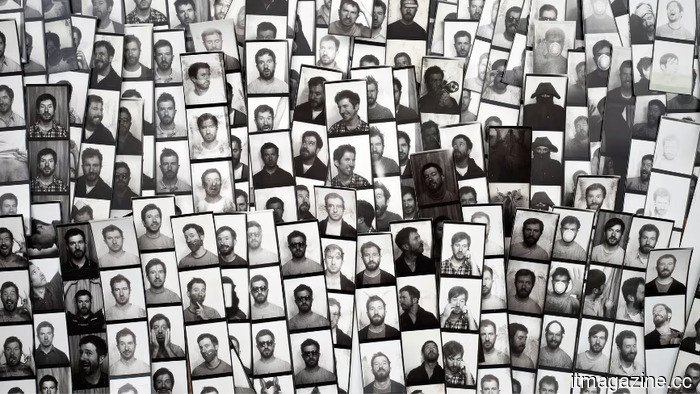 7 top receipt photobooths for commercial applications in 2026
A comprehensive ranking of seven receipt photo booths designed for commercial spaces and brand activations, evaluating aspects such as construction quality, operating expenses, branding opportunities, software capabilities, and data collection for each available option.
7 top receipt photobooths for commercial applications in 2026
A comprehensive ranking of seven receipt photo booths designed for commercial spaces and brand activations, evaluating aspects such as construction quality, operating expenses, branding opportunities, software capabilities, and data collection for each available option.
 You will soon have the ability to send view-once messages on WhatsApp.
WABetaInfo reports that WhatsApp is developing view-once text messages. This feature will enable users to send messages that can only be read once, and it will include the same restrictions on screenshots and forwarding that are already applied to view-once images and videos.
You will soon have the ability to send view-once messages on WhatsApp.
WABetaInfo reports that WhatsApp is developing view-once text messages. This feature will enable users to send messages that can only be read once, and it will include the same restrictions on screenshots and forwarding that are already applied to view-once images and videos.
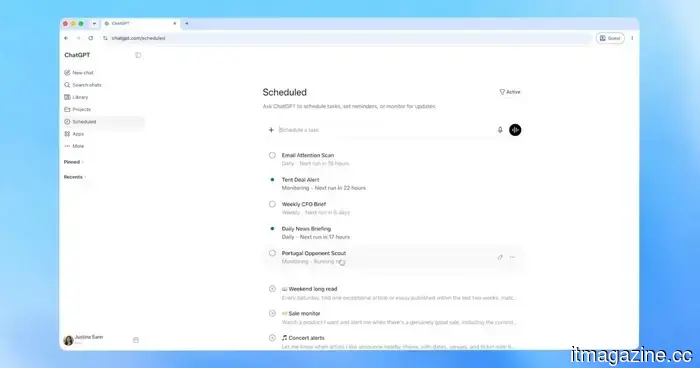 ChatGPT's updated Scheduled page consolidates all your automated tasks into a single location.
OpenAI is introducing a specific Scheduled page for ChatGPT, allowing users to view, manage, and oversee all active tasks through the sidebar.
ChatGPT's updated Scheduled page consolidates all your automated tasks into a single location.
OpenAI is introducing a specific Scheduled page for ChatGPT, allowing users to view, manage, and oversee all active tasks through the sidebar.
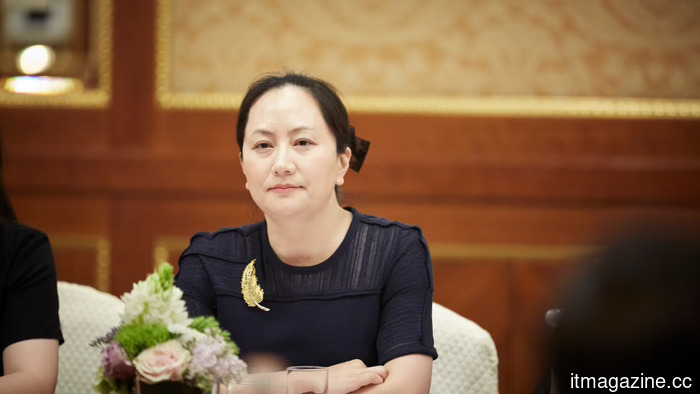 A US judge has determined that the statements made by Huawei's CFO can be utilized as evidence against the company.
A US judge has determined that Meng Wanzhou's statements regarding sanctions compliance from 2021 can be used as evidence against Huawei in its criminal trial set for September.
A US judge has determined that the statements made by Huawei's CFO can be utilized as evidence against the company.
A US judge has determined that Meng Wanzhou's statements regarding sanctions compliance from 2021 can be used as evidence against Huawei in its criminal trial set for September.
 Epic Games has made a significant advancement in AI-generated games with Unreal Engine 5.8.
Unreal Engine 5.8 includes an experimental plugin that allows developers to link any LLM to the main engine systems, and Epic intends to implement even more comprehensive integration in Unreal Engine 6.
Epic Games has made a significant advancement in AI-generated games with Unreal Engine 5.8.
Unreal Engine 5.8 includes an experimental plugin that allows developers to link any LLM to the main engine systems, and Epic intends to implement even more comprehensive integration in Unreal Engine 6.
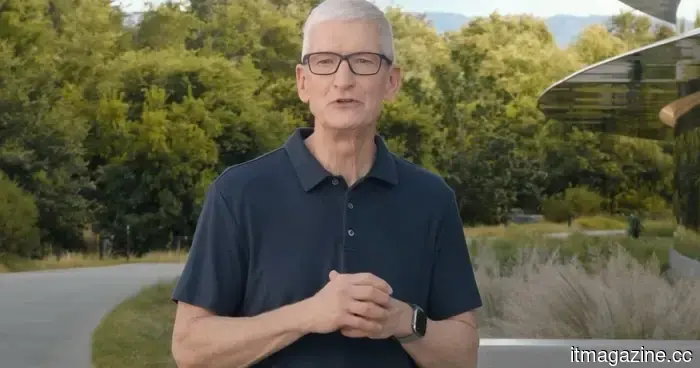 Tim Cook states that price increases for Apple products are inevitable due to rising memory costs driven by AI advancements.
Apple has refrained from significant price increases even with rising costs for RAM and storage. However, Tim Cook indicates that the memory challenges driven by AI are making it harder to sustain this approach.
Tim Cook states that price increases for Apple products are inevitable due to rising memory costs driven by AI advancements.
Apple has refrained from significant price increases even with rising costs for RAM and storage. However, Tim Cook indicates that the memory challenges driven by AI are making it harder to sustain this approach.
A US judge has determined that the admissions made by Huawei's CFO can be utilized against the company.
A US judge decided that Meng Wanzhou's 2021 statements regarding sanctions compliance can be used as evidence against Huawei in its criminal trial set for September.