
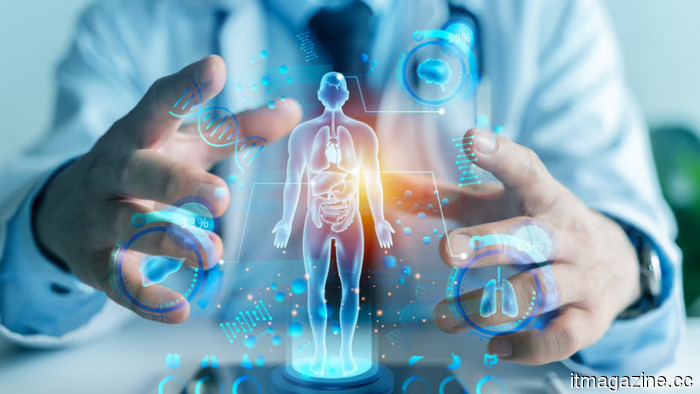
A Colombian AI startup aims to support 50% of doctors in Latin America. It has recently received backing from Andreessen Horowitz.
Telepatia secured $33 million in funding from a16z to connect with half of Latin America’s 1.9 million doctors by 2027. Currently, it caters to 14 million patients across five countries.
Telepatia is an AI clinical assistant designed for the Latin American healthcare system and has raised $33 million in a Series A round led by Andreessen Horowitz. The goal is to reach 50% of the region’s doctors by 2027. The company's total funding now stands at $42 million, with early investors including Palantir CTO Shyam Sankar, Rappi founder Simon Borrero, and Nubank founder David Velez.
The product is capable of transcribing consultations in real time, reviewing medical records, identifying potential errors, and offering live suggestions based on medical research and clinical guidelines. CEO Nicolas Abad describes it as “a second brain for the doctor.” At Hospital Mater Dei in Brazil, physicians utilize the tool for an average of eight hours a day, recovering 1.7 hours daily, based on the company's data.
The inspiration behind the company is personal. Abad’s father, a doctor, passed away in late 2022 at the age of 58 due to a preventable drug interaction. Despite years spent reading medical papers related to his illness, an interaction between a medication for hiccups and a sleep aid ended his life. “This is the product that would have saved my father as a patient, and that he would have appreciated as a doctor,” Abad shared.
Latin America presents a significant market opportunity, with Brazil and Colombia having approximately 2.4 to 2.5 doctors per 1,000 people, which is about a third less than the OECD average. Colombia has only 1.5 nurses per 1,000 individuals, compared to the OECD’s 9.5. Doctors and nurses allocate 40% to 70% of their time to documentation and administrative tasks instead of direct patient care. Telepatia aims to leverage AI to alleviate this administrative burden.
In under a year, the startup reports reaching over 14 million patients through more than 25 public and private health institutions across Brazil, Colombia, Mexico, Chile, and Argentina. Their clientele includes publicly traded Brazilian hospital groups like Mater Dei, Kora Saude, and Hapvida, as well as public health networks in Bogotá, Medellín, and Barranquilla.
“We clearly saw them as the winner,” stated Daisy Wolf, a partner at Andreessen Horowitz. “We believe healthcare will be the industry most impacted by AI.” For a16z, which has previously supported US ambient documentation startups such as Abridge AI and Ambience Healthcare, Telepatia ranks as one of its significant AI healthcare investments outside the USA.
Regulatory frameworks are still evolving. Brazil's Senate has approved an AI bill that establishes a risk-based framework, awaiting approval from the lower house and the presidency. Colombia has introduced its own AI legislation to Congress. Telepatia takes a careful approach: it supports clinicians rather than making decisions, ensuring the physician always retains final authority. The company plans to strengthen its operations in Latin America before branching out to India, Africa, and Southeast Asia, where issues of physician shortages and documentation burdens are even more pronounced.
Other articles
 Xreal Aura glasses bring Android to your face and are expected to be priced below $1,500.
Xreal Aura is now available for reservations, introducing Android XR, Gemini, and spatial computing to tethered smart glasses anticipated to launch in Fall 2026.
Xreal Aura glasses bring Android to your face and are expected to be priced below $1,500.
Xreal Aura is now available for reservations, introducing Android XR, Gemini, and spatial computing to tethered smart glasses anticipated to launch in Fall 2026.
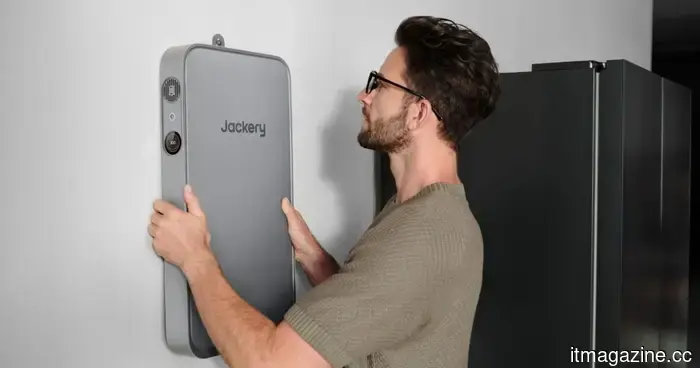 Jackery’s FridgeGuard is currently the thinnest backup battery available for refrigerators.
While power outages might be unavoidable, Jackery's new FridgeGuard and HomePower Series aim to minimize their disruption significantly.
Jackery’s FridgeGuard is currently the thinnest backup battery available for refrigerators.
While power outages might be unavoidable, Jackery's new FridgeGuard and HomePower Series aim to minimize their disruption significantly.
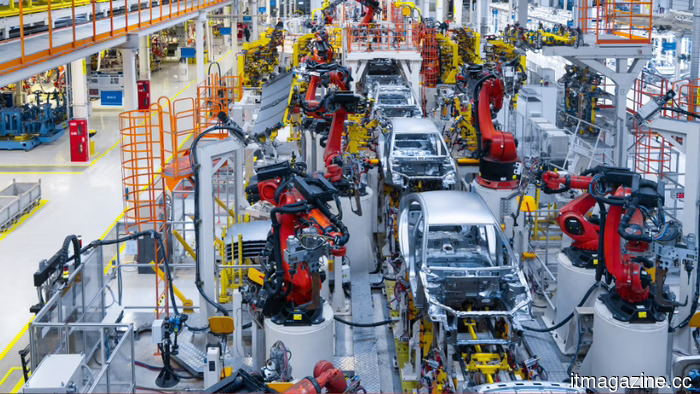 European automakers are shifting their focus to defense as the demand for electric vehicles declines and military expenditures increase.
In the past week, Ineos, Daimler Truck, Mercedes-Benz, and Renault have all revealed partnerships in the military vehicle sector. The automotive industry is adapting for a renewed focus on armament.
European automakers are shifting their focus to defense as the demand for electric vehicles declines and military expenditures increase.
In the past week, Ineos, Daimler Truck, Mercedes-Benz, and Renault have all revealed partnerships in the military vehicle sector. The automotive industry is adapting for a renewed focus on armament.
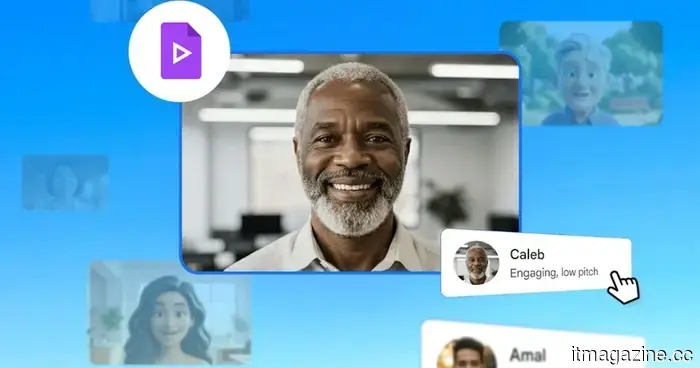 Quit creating uninteresting slides, as Google Vids has just made AI avatars available for free to everyone.
Google introduced free AI avatars in Vids, along with longer Veo video clips, multilingual voiceovers, and an upcoming feature for emotional steering to enhance personalized delivery.
Quit creating uninteresting slides, as Google Vids has just made AI avatars available for free to everyone.
Google introduced free AI avatars in Vids, along with longer Veo video clips, multilingual voiceovers, and an upcoming feature for emotional steering to enhance personalized delivery.
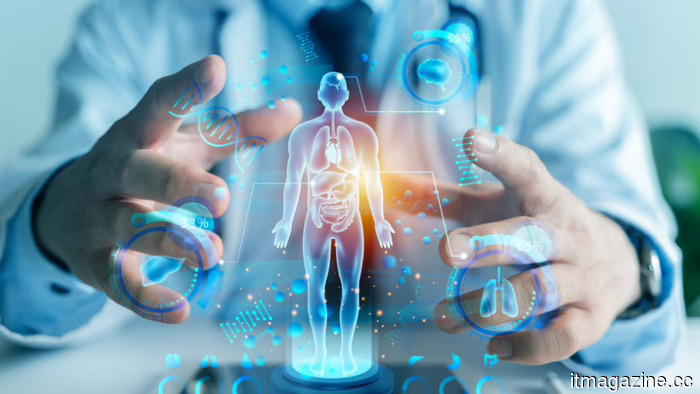 A Colombian AI startup aims to support 50% of physicians in Latin America. Andreessen Horowitz has recently invested in the company.
Telepatia secured $33 million from a16z to provide an AI clinical assistant to 950,000 doctors in Latin America by 2027. It currently serves 14 million patients.
A Colombian AI startup aims to support 50% of physicians in Latin America. Andreessen Horowitz has recently invested in the company.
Telepatia secured $33 million from a16z to provide an AI clinical assistant to 950,000 doctors in Latin America by 2027. It currently serves 14 million patients.
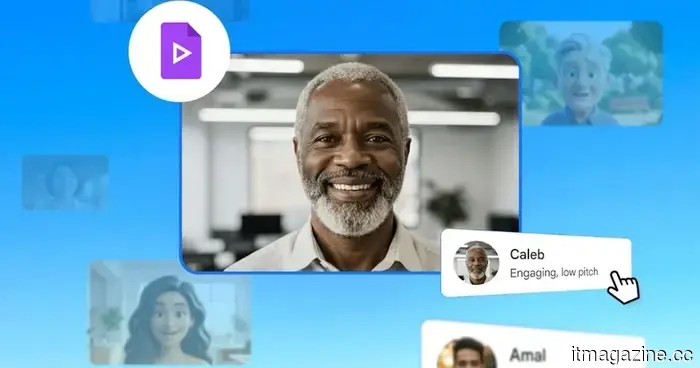 Stop creating dull slides, as Google Vids has now made AI avatars available for free to all users.
Google introduced complimentary AI avatars in Vids, along with longer Veo video clips, multilingual voiceovers, and a forthcoming emotion steering feature for tailored delivery.
Stop creating dull slides, as Google Vids has now made AI avatars available for free to all users.
Google introduced complimentary AI avatars in Vids, along with longer Veo video clips, multilingual voiceovers, and a forthcoming emotion steering feature for tailored delivery.
A Colombian AI startup aims to support 50% of doctors in Latin America. It has recently received backing from Andreessen Horowitz.
Telepatia secured $33 million from a16z to provide an AI clinical assistant to 950,000 doctors in Latin America by 2027. It currently serves 14 million patients.