
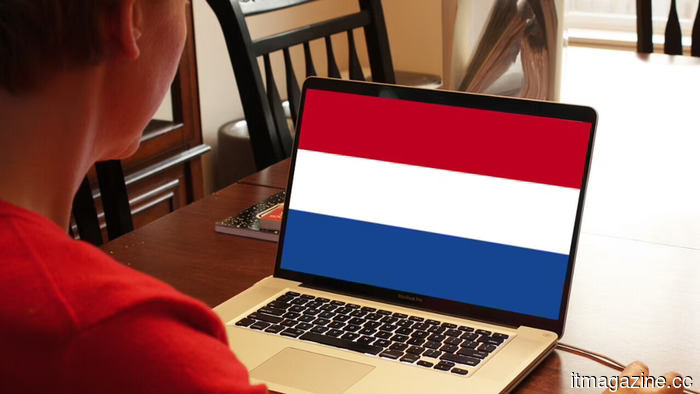
One million Dutch individuals depend solely on social media for their news.
TL;DR: Over a million adults in the Netherlands now obtain news exclusively from social media, with only 12% expressing trust in that information. The 2026 Digital News Report highlights a decline in news interest and trust across the country, particularly among younger audiences who are increasingly turning to influencers and AI chatbots.
According to the 2026 Digital News Report, released on Tuesday, more than one million individuals in the Netherlands now depend solely on social media for their news, eschewing news websites, television, and radio. Out of this group, only 12% indicate trust in the information they find there. This cohort represents 7% of Dutch adults, a rise from 2% in 2018. The annual study, conducted by the Dutch media regulator Commissariaat voor de Media in collaboration with the Reuters Institute for the Study of Journalism, identifies this trend as paradoxical: the platforms that are most distrusted are becoming the exclusive sources for a growing segment of the population.
Broad disengagement
The change concerns not just the sources of news but also the public's interest in it. In 2018, 61% of Dutch citizens reported a strong interest in news; that figure has now decreased to 45%. Meanwhile, those expressing no interest in news has increased from 4% to 14%. This trend is not confined to the Netherlands; globally, news interest has dipped by 13 percentage points over five years across the 48 markets surveyed by the Reuters Institute, with social and video platforms now surpassing both television and news websites as the main initial sources of news.
Influencer impact
The most significant change is seen among younger individuals. For 33% of 18- to 34-year-olds in the Netherlands, social media is their primary news source, up from 20% in 2018. Additionally, half of those aged 18 to 24 follow "news influencers" who offer commentary or repackaged news, often considered credible by young audiences. Cestmocro, an anonymous Instagram account with 1.2 million followers, is the most popular in the Netherlands. Platforms like Facebook have intentionally deprioritized news content in favor of personal posts, redirecting users toward algorithm-driven feeds and influencer accounts for news updates. A smaller, though increasing, number of Dutch adults, around 7%, are now turning to AI chatbots for news, with this rising to 13% among younger demographics. The rise of AI tools like ChatGPT and Perplexity, alongside Google’s AI-enhanced search updates, is accelerating this transition, with the Reuters Institute noting an increase in weekly chatbot usage for news from 7% to 10% across its surveyed markets within a year.
Fading trust in established news sources
Established news outlets still possess some trust. NOS continues to be the most trusted news brand in the Netherlands, followed by press agency ANP and RTL Nieuws. Nevertheless, trust is eroding; the percentage of Dutch individuals who distrust the news has almost doubled since 2018, rising from 11% to 21%. This pattern aligns with a global trend where misinformation has diminished trust in news reporting across numerous countries. Worldwide, trust in news has plummeted to a record low, with only 25% of individuals across all markets stating they trust news most of the time, marking the lowest figure since the report's inception in 2015.
Potential losses for the Netherlands
The EU’s Digital Services Act mandates transparency and content moderation requirements for large platforms, and the Netherlands is one of the countries enforcing it. However, the behavioral change documented in the report—over a million people relying on social media as their exclusive news source—cannot be addressed solely by platform regulations. CvdM chair Amma Asante noted that trust in Dutch news is still relatively high compared to international standards, emphasizing, “We have something to lose that we must protect.” Additionally, half of all Dutch citizens now express concerns about the news circulating on social platforms, yet this worry has not halted the ongoing trend.
Other articles
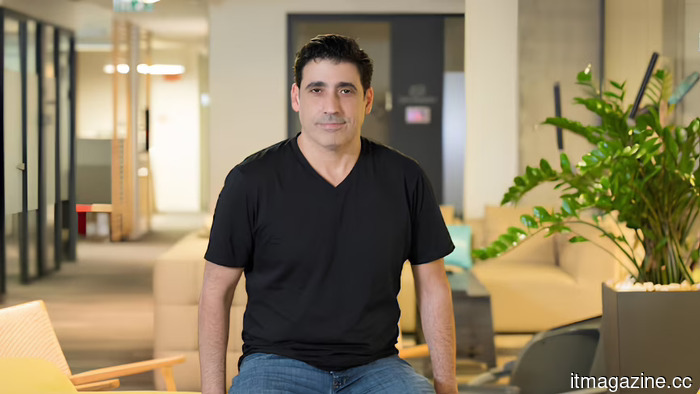 Reasons CMOs require a new accountability operating system.
Perion's CEO, Tal Jacobson, discusses why the accountability gap for Chief Marketing Officers is an issue related to infrastructure rather than measurement. He also highlights how AI-driven execution is transforming the way marketing demonstrates its impact on business.
Reasons CMOs require a new accountability operating system.
Perion's CEO, Tal Jacobson, discusses why the accountability gap for Chief Marketing Officers is an issue related to infrastructure rather than measurement. He also highlights how AI-driven execution is transforming the way marketing demonstrates its impact on business.
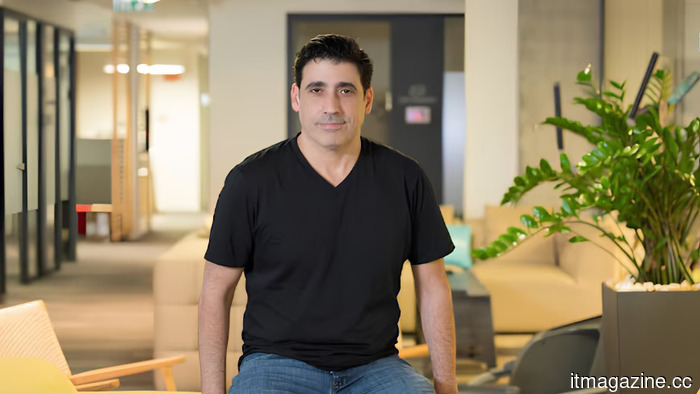 Reasons CMOs require a new framework for accountability.
Perion CEO Tal Jacobson discusses how the accountability gap faced by CMOs is an issue of infrastructure rather than measurement, and how AI-driven execution is transforming the way marketing demonstrates its impact on business.
Reasons CMOs require a new framework for accountability.
Perion CEO Tal Jacobson discusses how the accountability gap faced by CMOs is an issue of infrastructure rather than measurement, and how AI-driven execution is transforming the way marketing demonstrates its impact on business.
 Trump turns down UK's request for an exemption from the Anthropic AI ban.
Starmer's administration advocated for the UK to be excluded from the Anthropic export restrictions. Washington responded with "zero chance," revealing Britain's reliance on AI.
Trump turns down UK's request for an exemption from the Anthropic AI ban.
Starmer's administration advocated for the UK to be excluded from the Anthropic export restrictions. Washington responded with "zero chance," revealing Britain's reliance on AI.
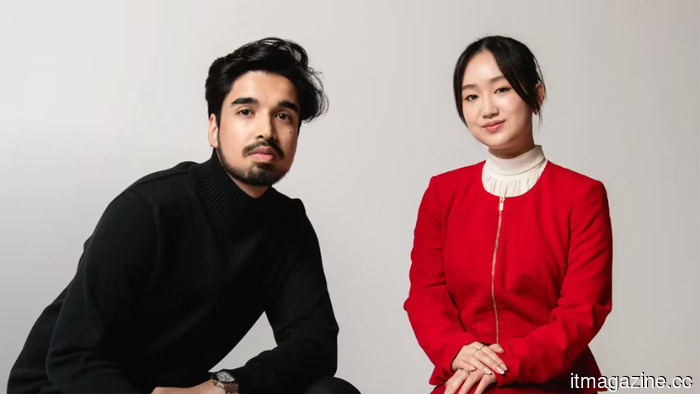 A 21-year-old Stanford graduate has successfully secured $11.6 million to develop a wearable hormone monitoring device that does not require blood samples.
Clair Health secured an $11.6 million seed funding round led by Khosla Ventures for a wrist-mounted device that monitors estrogen and progesterone levels without the use of needles. The product is set to be shipped in November.
A 21-year-old Stanford graduate has successfully secured $11.6 million to develop a wearable hormone monitoring device that does not require blood samples.
Clair Health secured an $11.6 million seed funding round led by Khosla Ventures for a wrist-mounted device that monitors estrogen and progesterone levels without the use of needles. The product is set to be shipped in November.
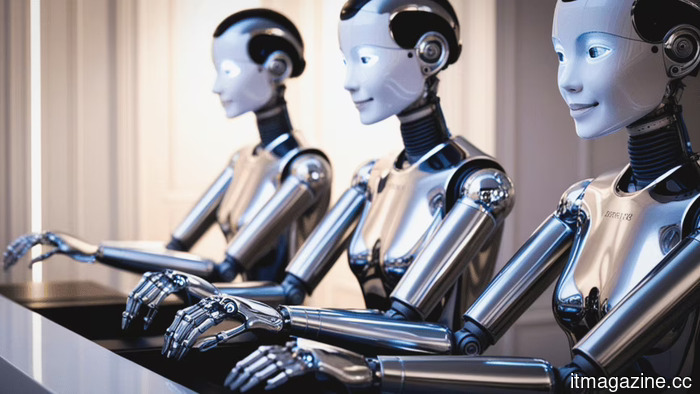 China's five-year plan focuses on the effects of AI on employment.
The employment plan from China's State Council for 2026–2030 mandates that the government monitors the impact of AI on job creation and loss, serving as a political safeguard for its own AI development.
China's five-year plan focuses on the effects of AI on employment.
The employment plan from China's State Council for 2026–2030 mandates that the government monitors the impact of AI on job creation and loss, serving as a political safeguard for its own AI development.
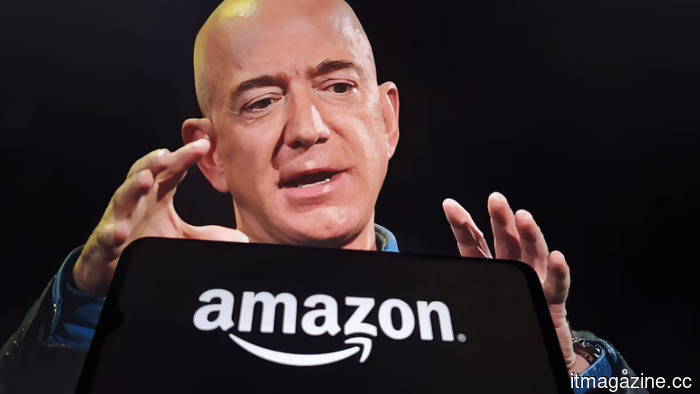 The head of Amazon's AI division acknowledges that their models are behind those of OpenAI and Anthropic.
Peter DeSantis mentions that Amazon's AI models "haven't been at the forefront" and expresses his hope to narrow the gap within a year, utilizing custom chips and exclusive data.
The head of Amazon's AI division acknowledges that their models are behind those of OpenAI and Anthropic.
Peter DeSantis mentions that Amazon's AI models "haven't been at the forefront" and expresses his hope to narrow the gap within a year, utilizing custom chips and exclusive data.
One million Dutch individuals depend solely on social media for their news.
The 2026 Digital News Report reveals that 7% of Dutch adults rely exclusively on social media for news, an increase from 2% in 2018, although trust and interest continue to decline.