
Tesla provided European regulators with deceptive safety data regarding its self-driving features.
Tesla presented its own safety statistics to regulators in Sweden and the Netherlands that independent traffic safety researchers claim could be misleading marketing, as shown in a Reuters review of correspondence obtained via public records requests. This data was part of the company's effort to gain broader European approval for its Full Self-Driving (FSD) system, in a region where Tesla is attempting to regain lost market share.
One of the key claims Tesla and its executives have emphasized is that FSD is up to ten times safer than human drivers. Reuters discovered multiple invalid comparisons underlying that figure, which tend to make the statistic appear more impressive than the actual data warrants.
One example illustrates this point: Tesla informed regulators that vehicles using FSD can travel over seven times farther between crashes compared to the average US driver. Researchers pointed out that this figure relies on an unrealistic assumption that every vehicle on US roads would be replaced by an FSD-equipped Tesla, and that each of those Teslas is at least seven times safer than the car it would take the place of. When presented in that manner, the claim becomes more of a hypothesis than a measurement.
A second issue lies in the comparisons being made. Some of Tesla's statistics only include the more serious accidents within its own fleet, specifically those severe enough to trigger an airbag, while juxtaposing them against broader crash data that incorporates many minor incidents. Experts in safety informed Reuters that comparing a narrow category of accidents to a wider one can create a misleading impression of performance that a more appropriate comparison would not support.
Regulatory bodies are taking notice. Dudley Curtis from the European Transport Safety Council expressed that his organization is "certainly concerned" about Tesla presenting "unreliable safety data" from the United States to regulators in Sweden. The worry is not just that the numbers present a better view of the system, but also that they were provided to officials who must decide if the system is safe enough for broader use on European roads.
This dispute over data comes amid previous concerns raised by regulators. European officials have questioned FSD in terms of speeding, handling on icy roads, and driver distraction, and the term itself has faced backlash, with Dutch regulators among those concerned that "Full Self-Driving" overstates a system that still requires human oversight. Approval has seemed uncertain for months.
The Netherlands is particularly significant as its vehicle authority is the primary body evaluating FSD for the European market, making the quality of data Tesla submits a critical factor rather than a minor issue. Tesla has not retracted the figures mentioned in the report.
The next steps lie with the regulators who are assessing this data, and a safety case based on comparisons deemed invalid by researchers presents a weaker position than the headline figure implies.
Other articles
 UK regulations for social media users under 16 will extend to gaming and AI chatbots.
Keir Starmer is anticipated to outline limitations on social media usage for those under 16, with restrictions extending to AI chatbots and interactions with strangers in gaming applications.
UK regulations for social media users under 16 will extend to gaming and AI chatbots.
Keir Starmer is anticipated to outline limitations on social media usage for those under 16, with restrictions extending to AI chatbots and interactions with strangers in gaming applications.
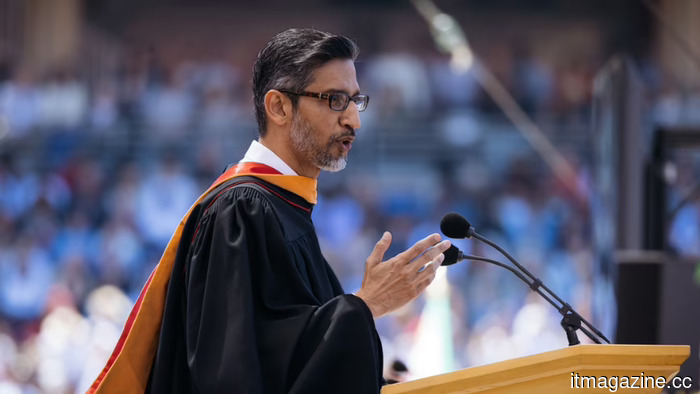 Sundar Pichai of Google opted for a message of optimism regarding AI at Stanford, yet many graduates walked out regardless.
Sundar Pichai from Google delivered the commencement speech for Stanford's Class of 2026, avoiding the topic of AI while students exited in protest of the Project Nimbus contract.
Sundar Pichai of Google opted for a message of optimism regarding AI at Stanford, yet many graduates walked out regardless.
Sundar Pichai from Google delivered the commencement speech for Stanford's Class of 2026, avoiding the topic of AI while students exited in protest of the Project Nimbus contract.
 FreshBooks offer: 70% discount for freelancers | TNW
FreshBooks is offering a 70% discount for four months on Lite, Plus, or Premium plans. This promotion helps freelancers reclaim their evenings. A 30-day free trial is available.
FreshBooks offer: 70% discount for freelancers | TNW
FreshBooks is offering a 70% discount for four months on Lite, Plus, or Premium plans. This promotion helps freelancers reclaim their evenings. A 30-day free trial is available.
 The US directive to restrict foreign access to Anthropic's leading models signifies a change in direction.
Washington mandated that Anthropic prevent foreign nationals from accessing Fable 5 and Mythos 5. In response, the company disabled access worldwide and described the action as excessive.
The US directive to restrict foreign access to Anthropic's leading models signifies a change in direction.
Washington mandated that Anthropic prevent foreign nationals from accessing Fable 5 and Mythos 5. In response, the company disabled access worldwide and described the action as excessive.
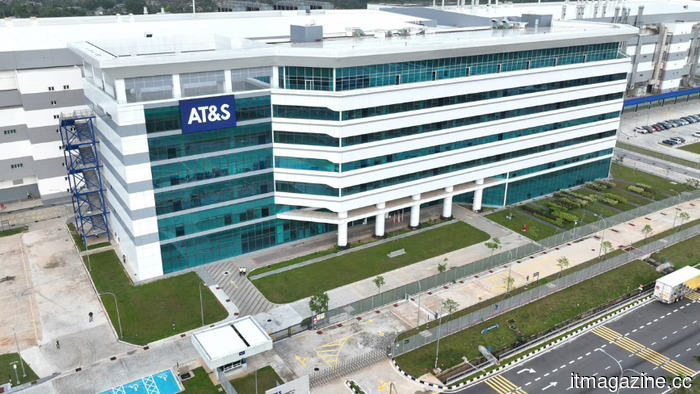 AT&S invests as much as €2 billion in Malaysia and China to capitalize on the AI chip surge.
Austria's AT&S plans to invest as much as €2 billion to increase its IC-substrate production capacity in Malaysia and China to support AI and high-performance computing, a move that is supported by a partnership with AMD.
AT&S invests as much as €2 billion in Malaysia and China to capitalize on the AI chip surge.
Austria's AT&S plans to invest as much as €2 billion to increase its IC-substrate production capacity in Malaysia and China to support AI and high-performance computing, a move that is supported by a partnership with AMD.
Tesla provided European regulators with deceptive safety data regarding its self-driving features.
Tesla submitted self-reported FSD safety data to regulators in Sweden and the Netherlands, which researchers claim are misleading, according to a review by Reuters.