
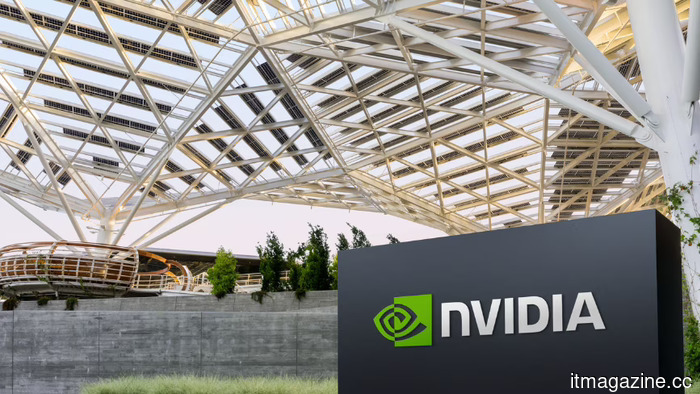
Nvidia's first bond offering since 2021 aims to raise over $20 billion.
Nvidia is currently conducting a bond sale, aiming to generate at least $20 billion in its first corporate bond issuance since 2021, as reported by Bloomberg, citing sources with direct insight. The sale is structured in seven tranches, with maturities spanning from two to thirty years.
A regulatory filing has validated the structure of this deal. Nvidia's prospectus, submitted to the US Securities and Exchange Commission on Monday, indicates seven series of notes maturing between 2028 and 2056. The outlined objective is straightforward: “general corporate purposes, including the repayment and refinancing of outstanding notes.” JPMorgan, Morgan Stanley, and Goldman Sachs are managing the sale.
The headline figure is not yet finalized. The filing is preliminary, with specific dollar figures and interest rates left unspecified until pricing, which means the “at least $20bn” target and the approximate 0.9-percentage-point spread over Treasuries for the 30-year tranche are initial market speculation rather than definitive terms.
Nvidia's borrowing motivation
Unlike most borrowers, Nvidia does not have an urgent need for cash. It ranks among the planet's most profitable companies, generating billions in free cash flow quarterly. Thus, this move isn’t about a company desperate for funds; it’s a strategic treasury decision.
The objective is to refinance maturing notes and secure long-term debt while demand for Nvidia's securities is high. The last bond issuance in June 2021 garnered $5 billion. In the span of five years and amid an AI surge, the interest in its bonds has significantly increased, allowing the company to borrow tens of billions at a minor premium over US government debt, preserving its cash for buybacks and investments.
The other side of the AI borrowing trend
This bond sale aligns with a borrowing spree characteristic of the AI era. Firms focused on AI have been tapping into various debt markets: Amazon secured a $17.5 billion loan, Oracle is looking to raise an additional $40 billion, and the data-center debt market is adjusting in real time. Since last year, hundreds of billions have been raised, all of which investors have absorbed.
Here's the twist: Much of this debt has been accumulated by Nvidia's customers—hyperscalers and cloud companies financing the purchase of its chips and the construction of facilities to support them. Now, the supplier itself is also entering the borrowing space. However, the intended use of the funds differs; Nvidia indicates that its proceeds are primarily for refinancing existing debt, rather than financing new capacity. This suggests the move is less a gamble on AI spending and more a strategy to secure low-cost financing, highlighting that even the leading cash generator of the boom seeks to capitalize on favorable market conditions.
The next focus will be on pricing. The final amount, coupon rates, and the tightness of spreads will reveal the level of interest in Nvidia's risk at a moment when market enthusiasm seems unquenchable.
Other articles
 Meta's face recognition glasses linked to a vendor of the Pentagon.
Meta obtained the face recognition technology for its smart glasses from Rank One, a contractor for the Pentagon that generates 80% of its revenue from government contracts, according to WIRED.
Meta's face recognition glasses linked to a vendor of the Pentagon.
Meta obtained the face recognition technology for its smart glasses from Rank One, a contractor for the Pentagon that generates 80% of its revenue from government contracts, according to WIRED.
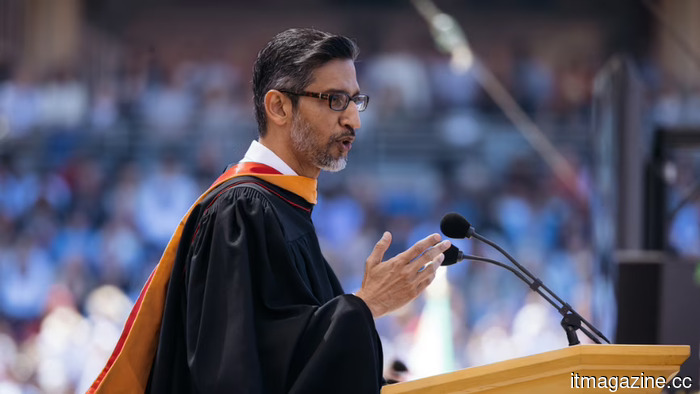 Sundar Pichai from Google opted for a positive outlook on AI at Stanford, yet graduates still chose to walk out.
Sundar Pichai from Google delivered the commencement address for Stanford's class of 2026, avoiding discussions on AI while students exited due to issues related to the Project Nimbus contract.
NewCore secures $66 million to provide identity to AI agents.
NewCore has come out of stealth mode with $66 million at a $300 million valuation to safeguard the identities of both workers and AI agents, targeting Microsoft and Okta.
Anthropic lawsuit alleges that it exaggerated the sales of $200 Claude plans.
A customer’s legal action alleges that Anthropic exaggerated the usage for its $100 and $200 Claude Max plans, and is requesting refunds along with class-action status for buyers in the US.
Sundar Pichai from Google opted for a positive outlook on AI at Stanford, yet graduates still chose to walk out.
Sundar Pichai from Google delivered the commencement address for Stanford's class of 2026, avoiding discussions on AI while students exited due to issues related to the Project Nimbus contract.
NewCore secures $66 million to provide identity to AI agents.
NewCore has come out of stealth mode with $66 million at a $300 million valuation to safeguard the identities of both workers and AI agents, targeting Microsoft and Okta.
Anthropic lawsuit alleges that it exaggerated the sales of $200 Claude plans.
A customer’s legal action alleges that Anthropic exaggerated the usage for its $100 and $200 Claude Max plans, and is requesting refunds along with class-action status for buyers in the US.
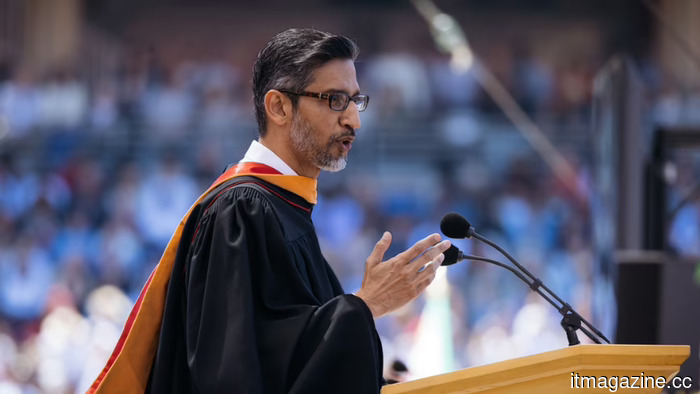 Sundar Pichai of Google opted for a message of optimism regarding AI at Stanford, yet many graduates walked out regardless.
Sundar Pichai from Google delivered the commencement speech for Stanford's Class of 2026, avoiding the topic of AI while students exited in protest of the Project Nimbus contract.
Sundar Pichai of Google opted for a message of optimism regarding AI at Stanford, yet many graduates walked out regardless.
Sundar Pichai from Google delivered the commencement speech for Stanford's Class of 2026, avoiding the topic of AI while students exited in protest of the Project Nimbus contract.
Nvidia's first bond offering since 2021 aims to raise over $20 billion.
Nvidia is promoting its first bond issuance since 2021, aiming to raise a minimum of $20 billion through seven tranches, primarily to refinance existing debt amid a rise in borrowing during the AI era.