
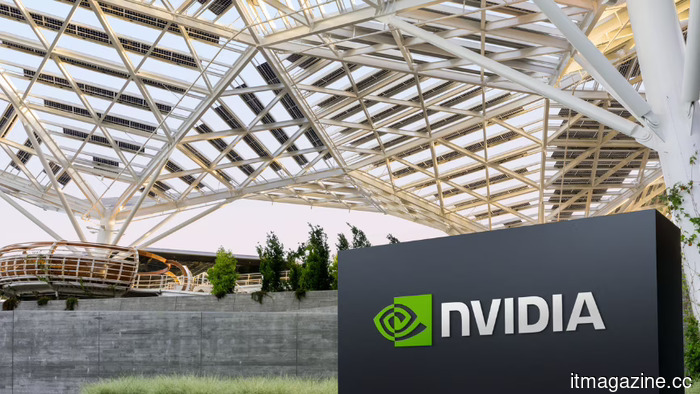
Nvidia's first bond issuance since 2021 aims to raise over $20 billion.
Nvidia is currently conducting a bond sale, aiming to raise at least $20 billion in its first corporate bond issuance since 2021, as reported by Bloomberg, citing sources with direct insight. The sale consists of seven tranches, with maturities ranging from two to 30 years.
A regulatory filing has confirmed the details of the deal. Nvidia submitted its prospectus to the US Securities and Exchange Commission on Monday, outlining seven sets of notes maturing between 2028 and 2056. The purpose of the bonds is straightforward: “general corporate purposes, including the repayment and refinancing of outstanding notes.” JPMorgan, Morgan Stanley, and Goldman Sachs are managing the sale.
The exact amount to be raised is not finalized yet. The filing is preliminary, with dollar amounts and interest rates not yet specified until pricing, meaning the projected “at least $20bn” and the approximately 0.9-percentage-point spread over Treasuries for the 30-year tranche are initial market indications, not definitive terms.
Reasons for borrowing by the richest chipmaker
Nvidia is not in immediate need of cash like many borrowers. It stands among the world’s most profitable companies, generating billions in free cash flow every quarter. Therefore, this is not a company in financial distress; it is a strategic treasury move.
The goal is to refinance maturing notes and secure long-term debt while demand for Nvidia's offerings remains high. The last bond sale was in June 2021, during which it raised $5 billion. Fast forward five years amidst an AI boom, demand for its debt is significantly stronger, enabling it to borrow tens of billions at a minimal premium to US government debt, while maintaining its own cash for buybacks and investments.
The context of the AI debt surge
This sale is part of a broader borrowing trend characterizing the AI era. Companies involved in AI have been accessing various segments of the debt market: Amazon secured a $17.5 billion loan, Oracle is in the process of raising another $40 billion, and the data-center debt market is currently experiencing real-time adjustments. Hundreds of billions have been raised since last year, all of which investors have absorbed.
However, there’s an interesting twist. Most of that debt has actually originated from Nvidia's clients—hyperscalers and cloud companies borrowing to purchase its chips and construct the necessary infrastructure. Now, the supplier itself is also borrowing. The difference lies in the intended use of the funds: Nvidia indicates that the proceeds will primarily be used to refinance existing debt rather than to finance new projects. This shifts the focus from a bet on AI spending to a bet on inexpensive financing, highlighting that even the leading player in the cash flow generation is eager to secure funding while the opportunity presents itself.
The next factor to monitor is pricing. The final amount raised, the interest rates, and how tightly the spreads are arranged will indicate the current appetite for Nvidia risk, especially at a time when the market seems insatiable for it.
Other articles
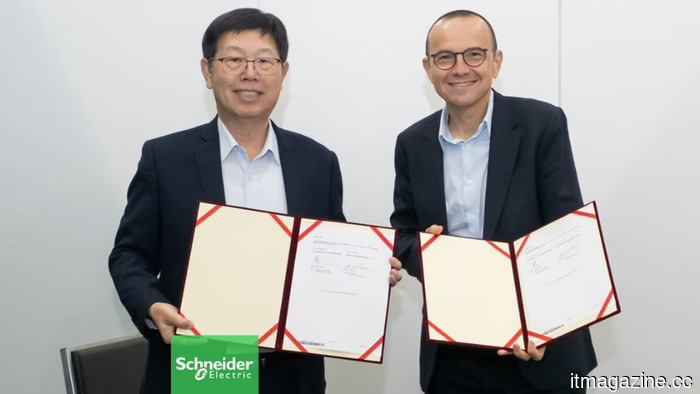 Schneider Electric collaborates with Foxconn to develop AI data-center infrastructure.
Schneider Electric and Foxconn have revealed a partnership to jointly create reference designs for advanced AI data centres, with production expected to commence later this year.
Salesforce has purchased Fin, previously known as Intercom, for $3.6 billion.
Salesforce is acquiring Fin, the customer-service AI company previously called Intercom, for approximately $3.6 billion to enhance Agentforce with quickly deployable support agents.
Schneider Electric collaborates with Foxconn to develop AI data-center infrastructure.
Schneider Electric and Foxconn have revealed a partnership to jointly create reference designs for advanced AI data centres, with production expected to commence later this year.
Salesforce has purchased Fin, previously known as Intercom, for $3.6 billion.
Salesforce is acquiring Fin, the customer-service AI company previously called Intercom, for approximately $3.6 billion to enhance Agentforce with quickly deployable support agents.
 Sundar Pichai from Google opted for a positive outlook on AI at Stanford. Nonetheless, graduates still walked out.
Sundar Pichai from Google delivered the commencement address for Stanford's Class of 2026, avoiding the topic of AI while students left in protest over the Project Nimbus contract.
Sundar Pichai from Google opted for a positive outlook on AI at Stanford. Nonetheless, graduates still walked out.
Sundar Pichai from Google delivered the commencement address for Stanford's Class of 2026, avoiding the topic of AI while students left in protest over the Project Nimbus contract.
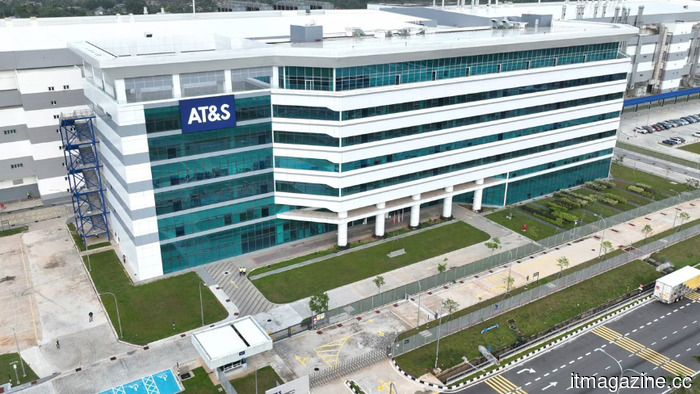 AT&S invests as much as €2 billion in Malaysia and China to capitalize on the AI chip surge.
Austria's AT&S plans to invest up to €2 billion to increase IC-substrate capacity in Malaysia and China for artificial intelligence and high-performance computing, supported by an agreement with AMD.
Anthropic lawsuit alleges that it over-promised on $200 Claude plans.
A customer has filed a lawsuit alleging that Anthropic exaggerated the usage limits on its $100 and $200 Claude Max plans, and is requesting refunds as well as class-action status for buyers in the US.
Schneider Electric and Foxconn collaborate on AI data center infrastructure.
Schneider Electric and Foxconn have revealed a partnership to jointly create reference designs for future AI data centres, with manufacturing expected to begin later this year.
AT&S invests as much as €2 billion in Malaysia and China to capitalize on the AI chip surge.
Austria's AT&S plans to invest up to €2 billion to increase IC-substrate capacity in Malaysia and China for artificial intelligence and high-performance computing, supported by an agreement with AMD.
Anthropic lawsuit alleges that it over-promised on $200 Claude plans.
A customer has filed a lawsuit alleging that Anthropic exaggerated the usage limits on its $100 and $200 Claude Max plans, and is requesting refunds as well as class-action status for buyers in the US.
Schneider Electric and Foxconn collaborate on AI data center infrastructure.
Schneider Electric and Foxconn have revealed a partnership to jointly create reference designs for future AI data centres, with manufacturing expected to begin later this year.
Nvidia's first bond issuance since 2021 aims to raise over $20 billion.
Nvidia is promoting its first bond offering since 2021, aiming to raise at least $20 billion through seven tranches, primarily to refinance existing debt amid a surge in borrowing related to AI.