
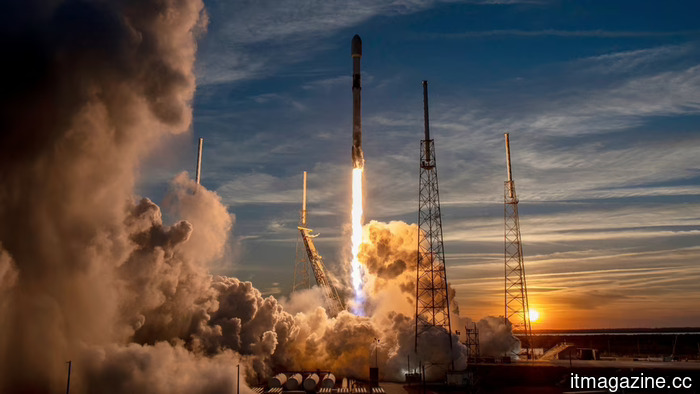
Discussions about a SpaceX-Tesla merger become more substantial following the IPO.
The prospect of a SpaceX-Tesla merger has transitioned from mere speculation to a potential reality. On the first day SpaceX started trading, those around Elon Musk began to take the idea more seriously.
SpaceX President Gwynne Shotwell suggested the possibility of a merger, stating in a CNBC interview that such a move could “make Elon’s life a little easier.” She mentioned there are “synergies between Tesla and SpaceX in our futures.” However, she also tempered expectations, emphasizing her current focus on maintaining operations related to rockets, the space station, and broadband, indicating that while a merger isn't imminent, it is not entirely off the table.
Two significant developments occurred this week: SpaceX went public with a valuation of $1.77 trillion, making Musk the world’s first trillionaire, and the company’s filing indicated it may issue “significant equity” to facilitate future deals. Publicly traded stock can serve as currency for mergers, allowing SpaceX to acquire companies using shares valued daily. Shotwell noted, “M&A is in the future, especially when you look at the AI world.”
The consolidation of the empire has already begun, as SpaceX acquired xAI in February for a $250 billion valuation. Tesla remains the largest asset yet to be integrated. Musk is now managing two public companies simultaneously.
The connection between Tesla and SpaceX is already significant. Tesla owns a stake in SpaceX, and Starlink hardware will be featured in Tesla's upcoming Cybercab. The two companies are collaborating on Terafab, a large-scale chip project, with Intel supplying components. Furthermore, Tesla shares manufacturing techniques with SpaceX, and SpaceX invested $131 million in Cybertrucks last year, indicating overlapping supply chains.
Former Tesla director Steve Westly expressed that merging Tesla into SpaceX is “absolutely likely,” despite pointing out potential “governance issues.” He speculated that it would happen regardless. CNBC reported in May that Musk has had discussions about this topic with his team.
The challenges lie in control and valuation. Musk already possesses over 80% of SpaceX's voting power, which means he would maintain that authority over another trillion-dollar company post-merger.
Valuation is another concern, as SpaceX incurred a nearly $5 billion loss last year. A Danish pension fund has classified the IPO as overvalued, while Morningstar estimates its fair value at about $780 billion, less than half the IPO price.
Westly highlighted that SpaceX needs to achieve at least two out of its three major goals—rockets, Starlink, and AI—to sustain its valuation. A merger with Tesla would add two more high-risk ventures: self-driving cars and humanoid robots, which have yet to generate significant profits.
For the moment, Shotwell continues to focus on operational success with rockets. She has not dismissed the possibility of a merger, and on a day meant for bold aspirations, that was the takeaway.
Other articles
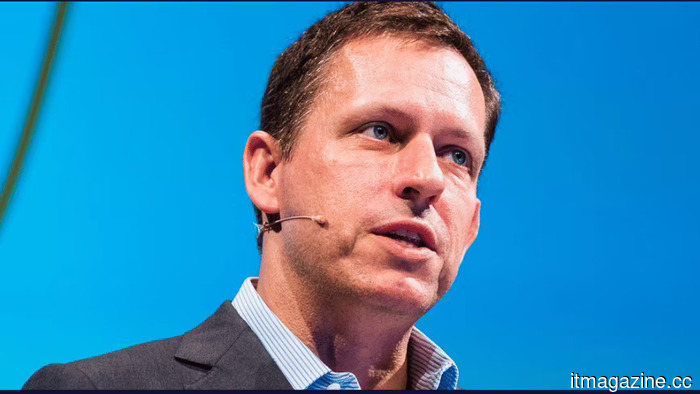 Founders Fund's investment in SpaceX has now surpassed a value of $50 billion.
Founders Fund has invested approximately $600 million in SpaceX over almost two decades. Based on the IPO valuation, the value of Founders Fund's stake in SpaceX exceeds $50 billion, at least on paper.
Founders Fund's investment in SpaceX has now surpassed a value of $50 billion.
Founders Fund has invested approximately $600 million in SpaceX over almost two decades. Based on the IPO valuation, the value of Founders Fund's stake in SpaceX exceeds $50 billion, at least on paper.
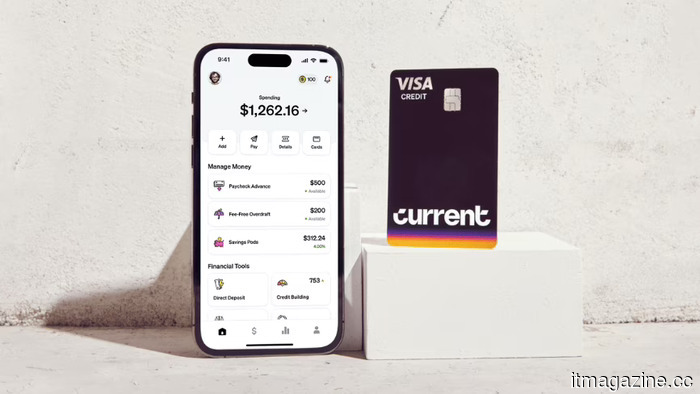 The current Series E valuation places the neobank below its peak level reached in 2021.
The latest Series E funding values the US neobank at $1.5 billion, which is one-third lower than its peak in 2021, despite a 70% increase in revenue for the third consecutive year. The aim is to go public.
The current Series E valuation places the neobank below its peak level reached in 2021.
The latest Series E funding values the US neobank at $1.5 billion, which is one-third lower than its peak in 2021, despite a 70% increase in revenue for the third consecutive year. The aim is to go public.
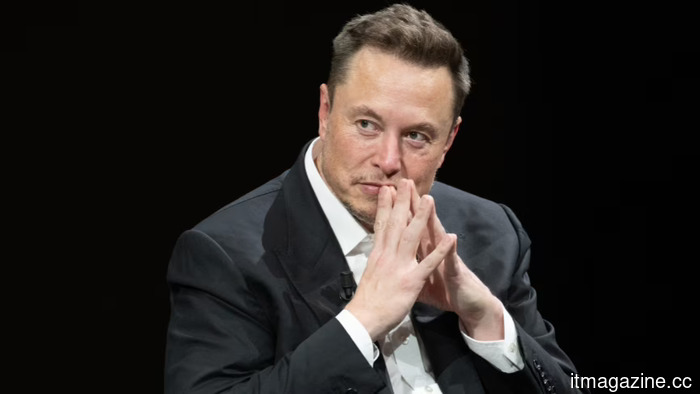 SpaceX's IPO turns Musk into a trillionaire at the expense of retirees.
SpaceX's unprecedented $75 billion IPO propelled Elon Musk beyond the $1 trillion mark. The Nasdaq's expedited index regulations now require retirement funds to acquire shares in a company that is currently operating at a loss.
SpaceX's IPO turns Musk into a trillionaire at the expense of retirees.
SpaceX's unprecedented $75 billion IPO propelled Elon Musk beyond the $1 trillion mark. The Nasdaq's expedited index regulations now require retirement funds to acquire shares in a company that is currently operating at a loss.
 Claude Fable 5 restrictions: targeted at China, affected AI researchers.
Anthropic created Claude Fable 5 restrictions to prevent access for China's AI laboratories. The strongest opposition originated from Western researchers, and the company has responded by reconsidering its stance.
Claude Fable 5 restrictions: targeted at China, affected AI researchers.
Anthropic created Claude Fable 5 restrictions to prevent access for China's AI laboratories. The strongest opposition originated from Western researchers, and the company has responded by reconsidering its stance.
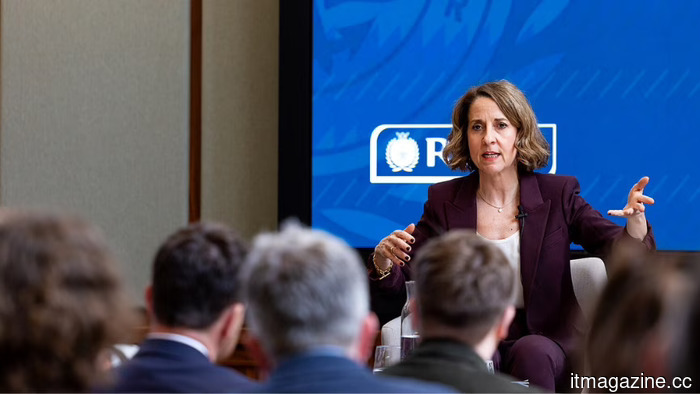 The technology leader in the UK is advocating for pension funds to invest in AI startups.
Liz Kendall promises legal changes aimed at directing institutional capital toward British technology companies; however, American firms continue to prevail in securing AI contracts from the UK government.
The technology leader in the UK is advocating for pension funds to invest in AI startups.
Liz Kendall promises legal changes aimed at directing institutional capital toward British technology companies; however, American firms continue to prevail in securing AI contracts from the UK government.
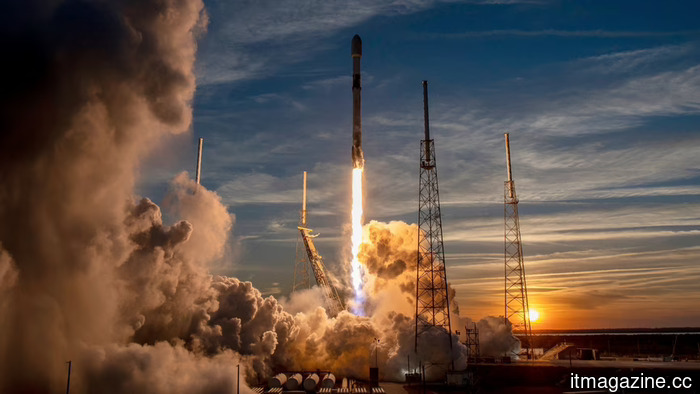 Discussions about a merger between SpaceX and Tesla become more serious following the IPO.
On its inaugural public day, SpaceX suggested the possibility of merging with Tesla, and a former director indicated that it was plausible. Here's why the discussions about a SpaceX-Tesla merger are significant.
Discussions about a merger between SpaceX and Tesla become more serious following the IPO.
On its inaugural public day, SpaceX suggested the possibility of merging with Tesla, and a former director indicated that it was plausible. Here's why the discussions about a SpaceX-Tesla merger are significant.
Discussions about a SpaceX-Tesla merger become more substantial following the IPO.
On its debut day as a public entity, SpaceX suggested the possibility of merging with Tesla, and a former director deemed it likely. Here’s why the discussion about a SpaceX-Tesla merger is significant.