
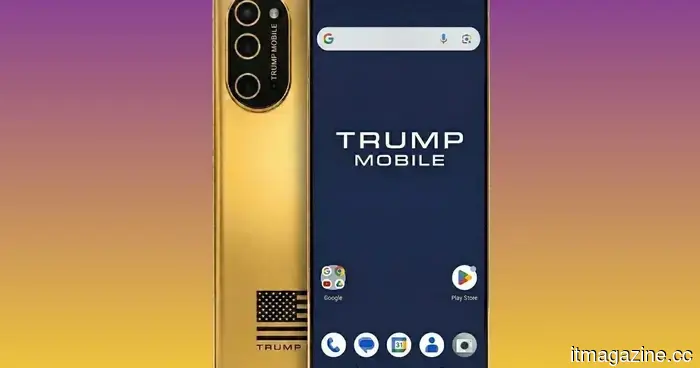
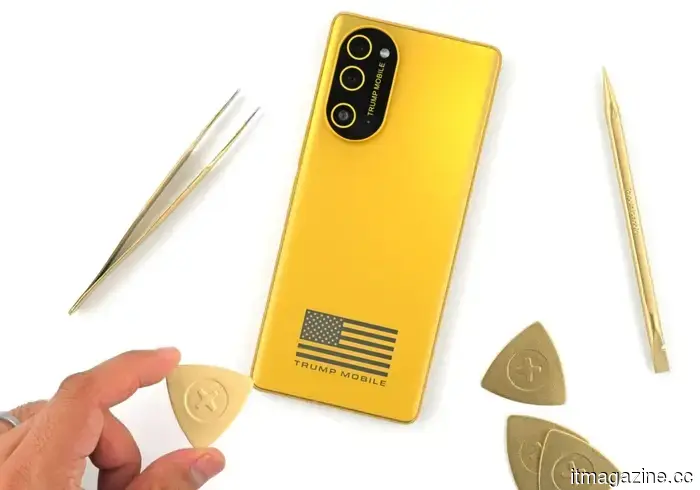
A revealing teardown shows that the Trump Phone is merely an HTC phone with a paint job.
When the Trump Mobile T1 was announced, it came laden with the marketing style one would associate with a product linked to Donald Trump: bold assertions, patriotic symbols, and numerous nods to American ideals. However, it wasn’t immediately obvious what distinguished the phone itself.
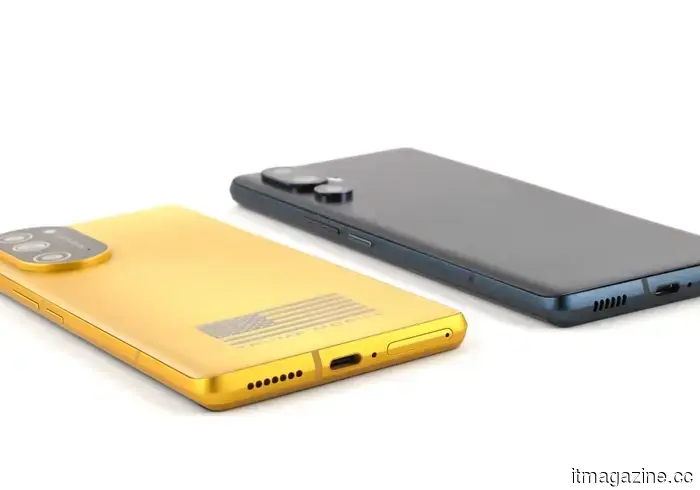
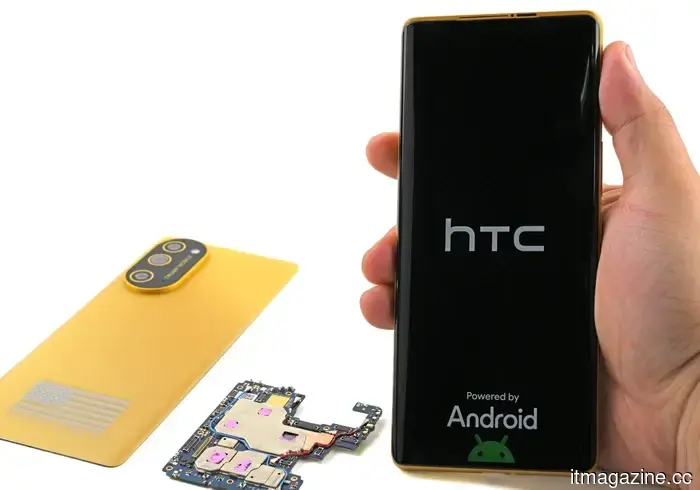
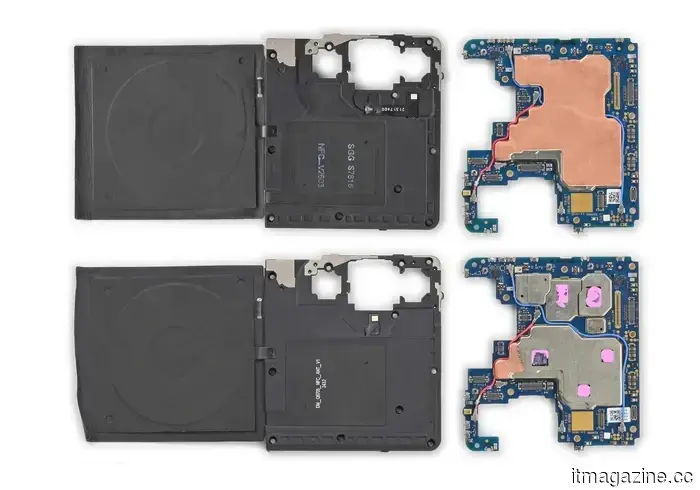
Now, following a thorough teardown and CT scan evaluation by iFixit, we seem to have an answer. And it’s not quite the revelation that Trump Mobile may have anticipated. After stripping away the gold-colored shell, analysts discovered that it closely resembles an existing smartphone: HTC's U24 Pro. This is somewhat awkward for a device promoted as unique.
Underneath the gold finish, the similarities become evident swiftly.
Smartphones commonly share internal components — this is standard practice. The industry operates on shared suppliers, collective manufacturing partners, and reference designs. However, the T1’s intrigue lies in how little it appears to diverge from HTC's current hardware.
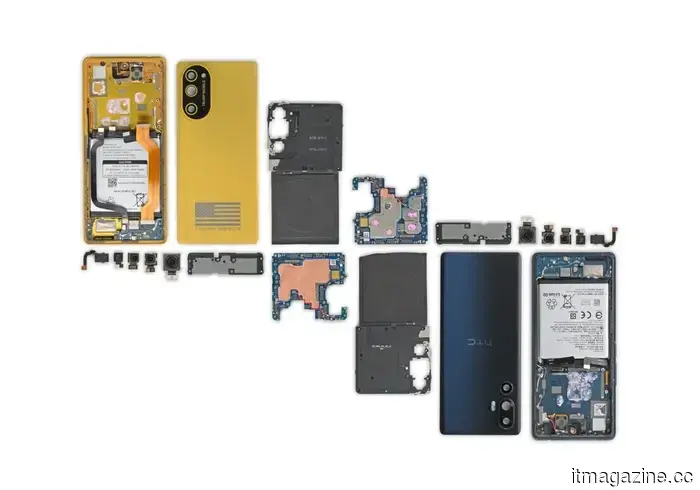
The internal configuration allegedly matches the U24 Pro almost component-for-component. Are there visible differences in camera placement? It seems the differences are primarily cosmetic. The flash assembly wasn’t repositioned; instead, a longer cable was utilized to create the illusion of a different appearance externally. Even the speaker system looks remarkably unchanged. The sole discernible variation is a subtly altered grille pattern carved into the chassis.
Consider it comparable to purchasing a sports car only to realize it's merely a sedan underneath, sporting a new paint job and different wheels. Aesthetically, it appears different. Mechanically, the story is altogether different. The display shares a similar narrative. While the Trump Mobile marketing indicates slightly varied screen dimensions, teardown results suggest it utilizes the same panel found in HTC's device. As researchers explored further, it became increasingly challenging to identify significant differences.
The motherboard designs are identical, component arrangements are the same, screw placements align, and even the anti-tamper stickers are situated in the same spots. At this point, that equates to essentially shared DNA.
The complexity of the “Made in America” claim persists.
The most compelling aspect of the teardown isn’t necessarily its connection to HTC — it’s what the findings indicate about Trump’s broader manufacturing assertions. For months, the phone has been enveloped in messaging emphasizing its American identity. Yet the hardware presents a more complex reality.
According to the teardown analysis, the T1 heavily relies on the same global supply chains that support almost every Android phone on the market. Researchers suggest many of its parts originate from existing manufacturing lines in China, which aligns with the phone's rapid development timeline and aggressive pricing. There is one significant exception: the battery.
Unlike the majority of smartphone batteries, which are generally sourced from China, the T1's battery reportedly comes from a manufacturer in the Philippines. It also boasts a larger capacity than that of the HTC model, although this advantage comes with a downside. Charging speeds are limited to 30 watts, while the HTC U24 Pro supports 60W charging. Nevertheless, a single differing battery component doesn’t fundamentally alter the overall picture.
Manufacturing smartphones domestically is exceedingly challenging. The difficulty lies not just in assembling parts; it involves establishing an entire ecosystem of suppliers, manufacturing expertise, tooling, logistics, and skilled labor. This is why even companies with resources far surpassing those of Trump Mobile depend on international supply chains. The reality is that “assembled in America” and “made in America” are vastly different claims. The former may involve assembling imported parts on U.S. soil, while the latter necessitates a much deeper domestic manufacturing footprint that very few consumer electronics can genuinely achieve.
A familiar phone under a different label
Perhaps the most unexpected takeaway from the teardown is that the T1 isn't inherently a poor value. Based solely on specifications, it compares reasonably well with the HTC device from which it’s believed to have derived. Consumers aren’t paying excessively inflated prices for inferior hardware, which is often a concern when celebrity branding is involved; the more significant issue is transparency.
Consumers were led to think they were acquiring something uniquely American, distinctly different from what was already on the market. The teardown indicates the reality is far less impressive: a largely existing smartphone model simply dressed up with a new identity and a patriotic marketing campaign.
This is not unusual in the smartphone sector. White-label devices and ODM partnerships have been prevalent for years. Smaller brands often license designs from manufacturing partners rather than developing phones entirely from scratch. What’s notable is the aggressive marketing of the T1 as something extraordinary. After extensive discussions about American pride, domestic production, and a novel vision for smartphones, the teardown's findings come off as somewhat anticlimactic. The Trump Phone didn't conceal a revolutionary design; it was quietly revealing an HTC phone and not particularly well at that.
Other articles
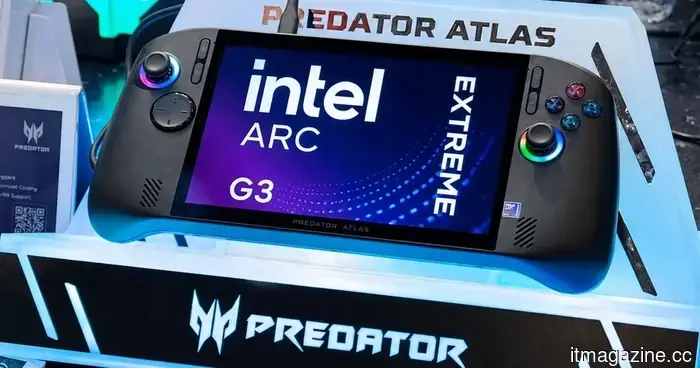 Intel’s Arc G3 Extreme might be the unexpected turn that handheld gaming has been looking for.
I got a chance to try out the MSI Claw and Acer Predator Atlas, both powered by Intel's Arc G3 Extreme, at Computex, and the prospects for handheld gaming seem very bright.
Intel’s Arc G3 Extreme might be the unexpected turn that handheld gaming has been looking for.
I got a chance to try out the MSI Claw and Acer Predator Atlas, both powered by Intel's Arc G3 Extreme, at Computex, and the prospects for handheld gaming seem very bright.
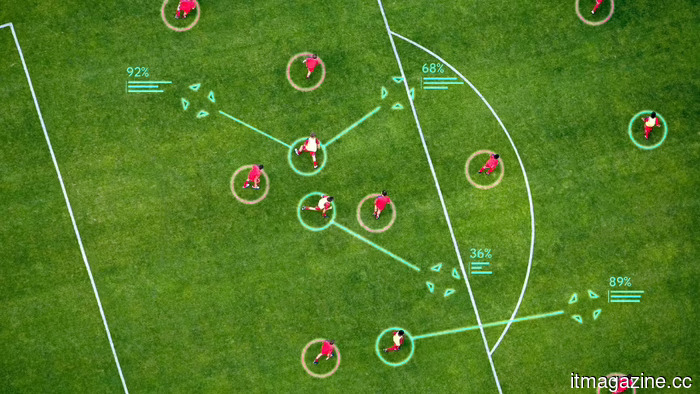 Google DeepMind's TacticAI is capable of forecasting football plays 8 seconds in advance. Palmeiras is the first to implement this technology.
Google's TacticAI forecasts player movements 8 seconds in advance by analyzing broadcast video. Liverpool specialists favored its strategies 90% of the time compared to the traditional methods.
Google DeepMind's TacticAI is capable of forecasting football plays 8 seconds in advance. Palmeiras is the first to implement this technology.
Google's TacticAI forecasts player movements 8 seconds in advance by analyzing broadcast video. Liverpool specialists favored its strategies 90% of the time compared to the traditional methods.
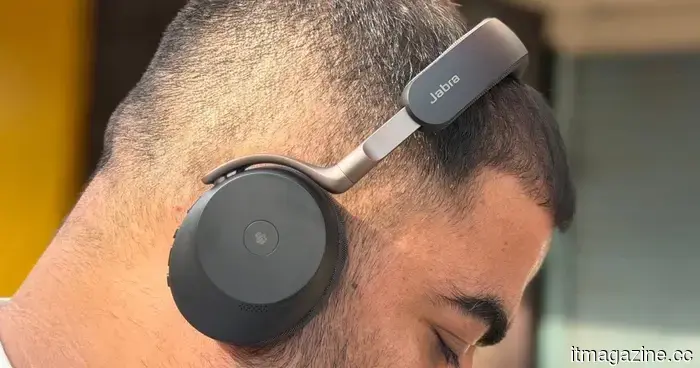 Jabra Evolve3 75 review: After wearing this work headset for several weeks, I found it to be quite impressive.
The Jabra Evolve3 75 is a high-end product that, despite its elevated price, provides an excellent microphone, an elegant design, impressive battery life, wireless charging capability, and a powerful experience for music listening.
Jabra Evolve3 75 review: After wearing this work headset for several weeks, I found it to be quite impressive.
The Jabra Evolve3 75 is a high-end product that, despite its elevated price, provides an excellent microphone, an elegant design, impressive battery life, wireless charging capability, and a powerful experience for music listening.
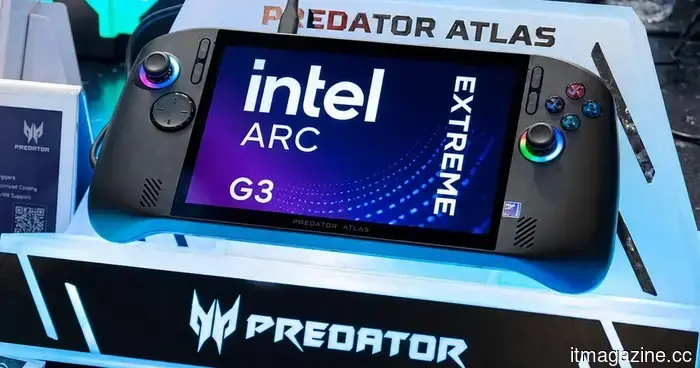 Intel’s Arc G3 Extreme might provide the unexpected turn that handheld gaming has been looking for.
I had the opportunity to try out MSI's Claw and Acer's Predator Atlas, both powered by Intel's Arc G3 Extreme, at Computex, and the outlook for handheld gaming appears to be very encouraging.
Intel’s Arc G3 Extreme might provide the unexpected turn that handheld gaming has been looking for.
I had the opportunity to try out MSI's Claw and Acer's Predator Atlas, both powered by Intel's Arc G3 Extreme, at Computex, and the outlook for handheld gaming appears to be very encouraging.
 AI requires discernment rather than merely a job description: Michael Ronis discusses the future of hiring.
AI is capable of sifting through a thousand resumes in a matter of hours, yet it lacks the ability to assess rapport, cultural alignment, or career aspirations. According to recruiter Michael Ronis, the key issue isn't if AI will take over human roles, but rather in which areas humans need to intervene.
AI requires discernment rather than merely a job description: Michael Ronis discusses the future of hiring.
AI is capable of sifting through a thousand resumes in a matter of hours, yet it lacks the ability to assess rapport, cultural alignment, or career aspirations. According to recruiter Michael Ronis, the key issue isn't if AI will take over human roles, but rather in which areas humans need to intervene.
A revealing teardown shows that the Trump Phone is merely an HTC phone with a paint job.
Underneath the gold exterior and patriotic branding, the Trump Phone seems to have a surprisingly recognizable backstory.