
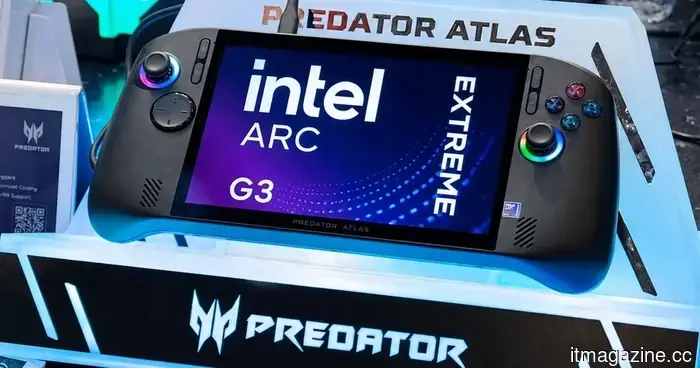
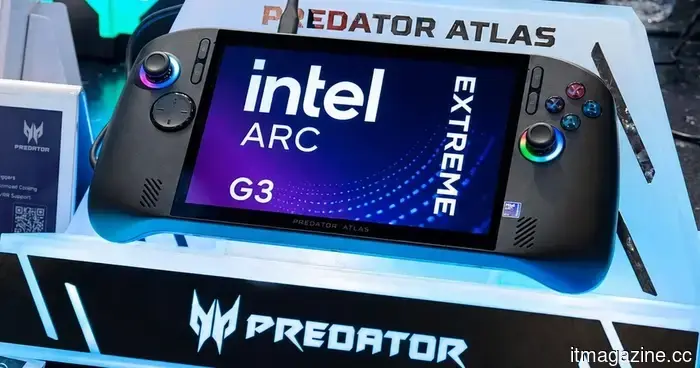
Intel’s Arc G3 Extreme might be the unexpected turn that handheld gaming has been looking for.
For the past few years, I have become quite fixated on handheld gaming PCs, investing countless hours into devices like the Steam Deck, purchasing an original ROG Ally, and most recently, thoroughly reviewing the ROG Xbox Ally X. I've witnessed this market transform from a novel idea into a viable alternative to gaming laptops for quick gaming sessions at home or on the go. However, I’ve also encountered its major drawback: there always seems to be some compromise, whether it involves battery life, thermal management, performance, or software issues, despite how advanced these devices become.
When I arrived at Computex 2026, I was eager to check out Acer's new Predator Atlas 8 and MSI's latest Claw 8 EX AI+. My excitement stemmed not only from their appealing designs but also from the fact that they brought much-needed competition to the handheld market. In all honesty, Intel's new Arc G3 Extreme processor may be the most significant handheld development we've seen in years. And frankly, it was overdue.
Intel's Arc G3 Extreme feels like a much-needed reset for the company.
For years, AMD has dominated the landscape of Windows gaming handhelds, powering devices like the ROG Ally and Lenovo Legion Go with its Ryzen Z-series chips. Intel's past efforts fell short due to inconsistent drivers and lower efficiency, but the new Arc G3 Extreme appears to mark a true fresh start. Unlike earlier attempts that adapted laptop chips, this is a graphics-oriented platform designed specifically for handheld gaming, built on Intel’s new Panther Lake architecture and produced using the advanced Intel 18A process.
The highlight is the integrated GPU, featuring 12 next-gen Xe3 graphics cores, hardware ray tracing support, and XeSS 3 capabilities, including Multi Frame Generation. The aim is not only to achieve higher frame rates but to do so efficiently, ensuring handheld gamers enjoy smooth AAA gameplay without rapidly depleting the battery. Intel even claims performance enhancements of up to 42 percent over competing options in certain scenarios, along with marked improvements in performance per watt.
Of course, these claims will require extensive independent verification, but after my experience with the hardware, they seem plausible. What stood out to me was not the FPS count, but the overall polished experience. Games loaded rapidly, animations were fluid, and I experienced no distracting stutter or awkward frame pacing. Everything functioned seamlessly, which is refreshingly surprising in a category that often demands a great deal of patience from early users.
Intel seems to have also made significant strides on the software side. Previous Arc products faced criticism for driver inconsistencies, but my brief hands-on experience suggested the company has matured considerably. Although a controlled demo environment cannot replace long-term testing, the overall experience felt notably refined. After using previous handhelds for years, I had grown accustomed to making compromises—lowering wattage for battery conservation, reducing graphics settings for smoother performance, or plugging in because a demanding AAA title was draining power quickly. Now, using Intel's new platform genuinely made me question if those compromises are finally diminishing.
Testing the Acer Predator Atlas and MSI Claw
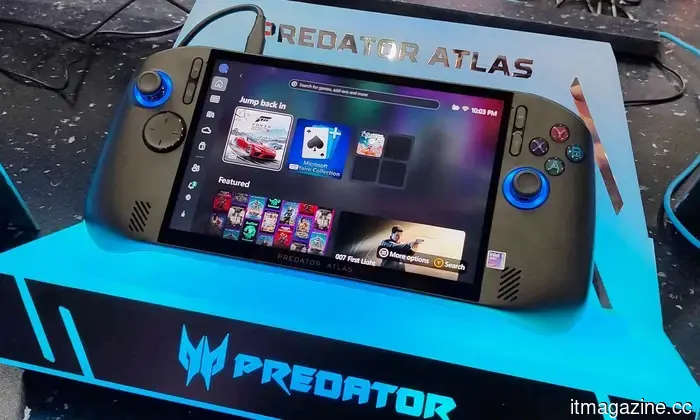
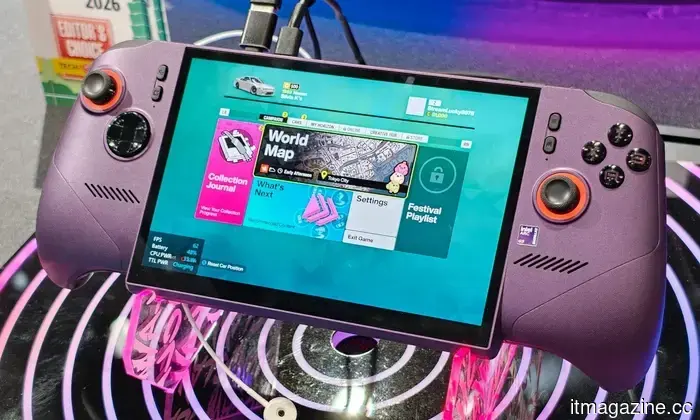
While Acer has previously ventured into the handheld market with devices like the Nitro Blaze series, the Predator Atlas 8 feels like the brand’s first serious flagship endeavor within this space, offering comfortable ergonomics, responsive controls, and a premium build that instills confidence. Its custom AeroBlade cooling system effectively maintained low temperatures even during demanding gaming sessions, and the vibrant 8-inch 120Hz display was clearly visible under the bright lights of the Computex show. Most importantly, once I began playing, I completely overlooked the specifications and simply enjoyed the experience—an incredibly high compliment for any gaming device.
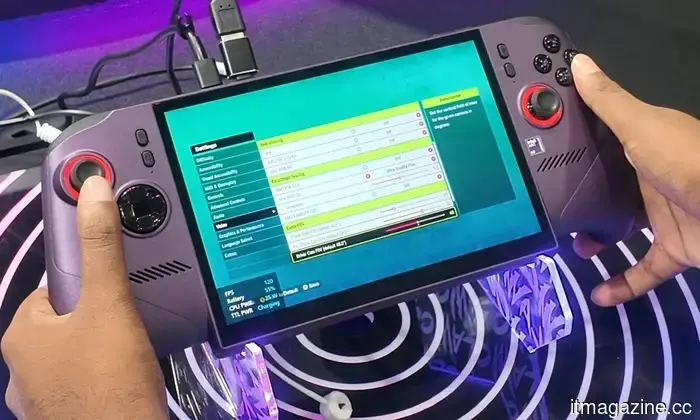
Conversely, the MSI Claw 8 EX AI+ seems to be the result of the company genuinely responding to feedback from its earlier handheld offerings. The updated ergonomics make it much more comfortable to hold, the buttons and triggers are satisfyingly tactile, and the overall experience has clearly improved. Combined with Intel’s Arc G3 Extreme and XeSS 3 enhancements, gameplay felt consistently fluid, while Windows’ dedicated Xbox fullscreen interface made navigation feel much more akin to using a console than a traditional PC.
The future appears promising, but there’s one significant caveat.
After trying both handhelds, I didn’t come away thinking either Acer or MSI had created the superior device. Instead, my mind kept returning to the processor powering them. This is perhaps the highest praise I can offer Intel. For the first time in years, AMD has a serious competitor in the premium handheld sector, and the Arc G3 Extreme feels like more than just another ambitious promise on a presentation slide. That being said, the real test will occur once these devices reach reviewers' desks, where factors like battery life, sustained performance, thermals, and driver reliability will be far more crucial than a polished demonstration.
Another lingering question is one that every gamer is already pondering: what will the price be? The

Other articles
 BlackRock purchased $5 billion in SpaceX shares as the demand for the IPO reached $250 billion, which is nearly four times oversubscribed.
BlackRock has made a $5 billion purchase order for SpaceX shares in anticipation of Friday's market debut. Overall demand reached $250 billion. According to Morningstar, the stock is valued at only half of the $135 asking price.
BlackRock purchased $5 billion in SpaceX shares as the demand for the IPO reached $250 billion, which is nearly four times oversubscribed.
BlackRock has made a $5 billion purchase order for SpaceX shares in anticipation of Friday's market debut. Overall demand reached $250 billion. According to Morningstar, the stock is valued at only half of the $135 asking price.
 Barcelona's THEKER secures €73M to implement AI-powered factory robots that learn while working.
THEKER secured €73M from CRV, Samsung, and LVMH for versatile factory robots that can be deployed within days and enhance their capabilities autonomously. This marks Samsung's initial investment in Spain.
Barcelona's THEKER secures €73M to implement AI-powered factory robots that learn while working.
THEKER secured €73M from CRV, Samsung, and LVMH for versatile factory robots that can be deployed within days and enhance their capabilities autonomously. This marks Samsung's initial investment in Spain.
 How companies train millions of employees while continuously shipping their products.
ServiceNow revamped its corporate learning program using AI-generated videos, reducing production time by a factor of ten. The SVP of Synthesia discusses the ongoing skills gap and how AI-driven learning and development addresses it.
How companies train millions of employees while continuously shipping their products.
ServiceNow revamped its corporate learning program using AI-generated videos, reducing production time by a factor of ten. The SVP of Synthesia discusses the ongoing skills gap and how AI-driven learning and development addresses it.
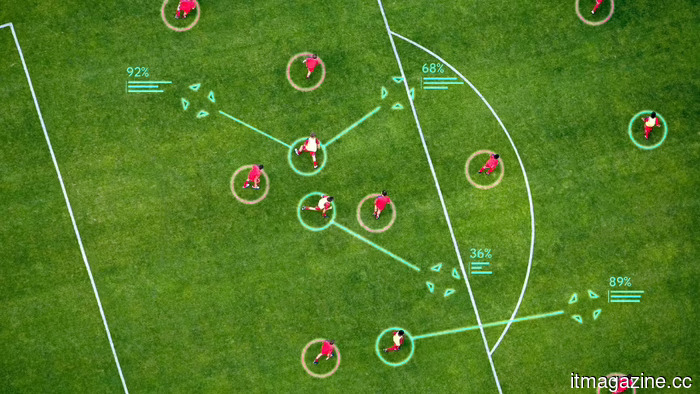 Google DeepMind's TacticAI is capable of forecasting football plays 8 seconds in advance. Palmeiras is the first to implement this technology.
Google's TacticAI forecasts player movements 8 seconds in advance by analyzing broadcast video. Liverpool specialists favored its strategies 90% of the time compared to the traditional methods.
Google DeepMind's TacticAI is capable of forecasting football plays 8 seconds in advance. Palmeiras is the first to implement this technology.
Google's TacticAI forecasts player movements 8 seconds in advance by analyzing broadcast video. Liverpool specialists favored its strategies 90% of the time compared to the traditional methods.
 Reddit has introduced the ability for users to respond to any post using video comments.
Reddit has introduced video comments in all public SFW communities. Users now have the ability to upload or record short videos as replies, in addition to text, images, and GIFs.
Reddit has introduced the ability for users to respond to any post using video comments.
Reddit has introduced video comments in all public SFW communities. Users now have the ability to upload or record short videos as replies, in addition to text, images, and GIFs.
Intel’s Arc G3 Extreme might be the unexpected turn that handheld gaming has been looking for.
I got a chance to try out the MSI Claw and Acer Predator Atlas, both powered by Intel's Arc G3 Extreme, at Computex, and the prospects for handheld gaming seem very bright.