
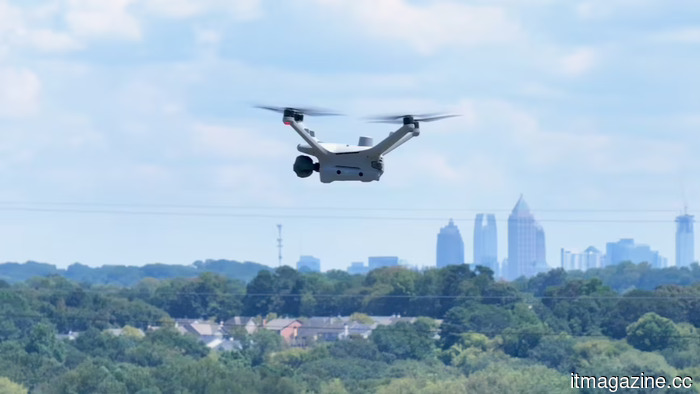
A city in California has recently authorized the expenditure of $3.15 million for police drones that can respond to 911 calls within 30 seconds.
**TL;DR** Stockton approved a $3.15 million funding for Flock police drones that can respond to 911 calls within 30 seconds. The council voted unanimously 7-0, despite significant public opposition regarding surveillance issues.
Stockton, California, has sanctioned a $3.15 million investment in police drones capable of responding to 911 calls in as little as 30 seconds. The city council's unanimous 7-0 vote expands the existing contract with Flock Safety, introducing a drone-as-first-responder system alongside the automatic license plate readers already provided by the company. The total contract is now valued at over $5.4 million for a five-year period.
The drones will be distributed throughout the city, covering over 75% of Stockton’s area. They provide police with a view of the scene before officers arrive, with response times varying from 30 seconds to four minutes. “It’ll truly enhance our current capabilities, allowing for quick deployments and real-time updates for officers on scene,” stated Police Lt. David Padula.
While the vote was unanimous, public opposition was intense. Over an hour of testimony addressed concerns about privacy, immigration enforcement, and mass surveillance. Residents expressed worries not only about the utilization of the drones but also regarding the storage and sharing of the data they collect.
“It sends the wrong message,” stated the local activist group, The Stockton Community Check-In Booth. “As our residents continue to face economic struggles, Stockton persists in investing in militarization and surveillance.”
Republican congressional candidate John McBride labeled the program as “a complete invasion of privacy.” He highlighted that Flock's cameras are privately owned, preventing citizens from accessing information about what data the company holds on them via freedom of information requests. Flock argues that local authorities maintain control over the data, with drone flights being logged on a public dashboard.
Flock’s history has raised concerns. The company was found to have shared license plate reader data with U.S. Customs and Border Protection in Colorado and Illinois, though it claims those practices have ceased. In Texas, police tracked a woman's movements through a Flock camera network after she had an abortion. A Flock camera network was also dismantled in Mountain View, California, due to worries over unauthorized access.
Flock asserts that it does not collaborate with ICE and that federal agencies cannot access data held by Stockton. The Stockton police will retain full ownership of the data they gather. However, critics worry about the disparity between company policies and real-world practices. Over 100,000 Flock license plate readers are already operational across the U.S.
Stockton is now part of a growing number of U.S. cities that are implementing drone-based response systems, including Chula Vista, Fremont, and Louisville. Active programs are also located in Texas, Indiana, and Connecticut. This technology is promoted as a method to enhance officer safety and decrease response times. The unresolved question concerns what occurs when data from numerous autonomous flights over residential areas lands in inappropriate hands, as evidenced in other regions.
Other articles
 The president of Microsoft addresses the criticism surrounding AI with a lengthy 3,000-word article, while making no alterations to existing policies.
The president of Microsoft wrote an essay describing the backlash against AI from graduates as a "wake-up call." His recommendation: to adapt. His admissions: none.
The president of Microsoft addresses the criticism surrounding AI with a lengthy 3,000-word article, while making no alterations to existing policies.
The president of Microsoft wrote an essay describing the backlash against AI from graduates as a "wake-up call." His recommendation: to adapt. His admissions: none.
 iOS 27: What We Know About the Upcoming Features Coming to Your iPhone
The iOS 27 update from Apple introduces enhancements to Siri AI and Apple Intelligence, but the less notable updates to Mail, AirDrop, Photos, Shortcuts, AirPods, and compatibility are equally important. Here’s a summary of everything disclosed about iOS 27.
iOS 27: What We Know About the Upcoming Features Coming to Your iPhone
The iOS 27 update from Apple introduces enhancements to Siri AI and Apple Intelligence, but the less notable updates to Mail, AirDrop, Photos, Shortcuts, AirPods, and compatibility are equally important. Here’s a summary of everything disclosed about iOS 27.
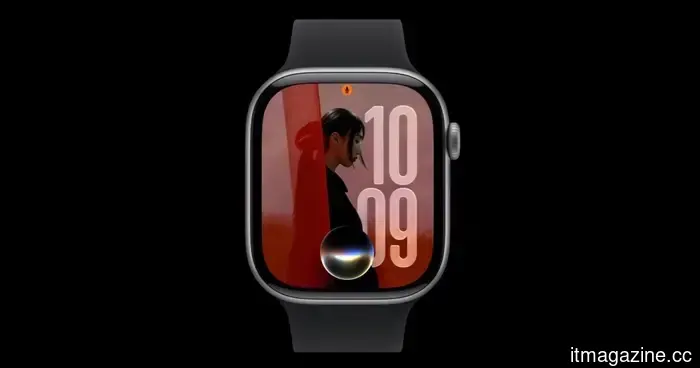 iOS 27 may simplify the process of saving battery life, reducing the need to search through settings.
Apple is experimenting with Dormancy in the code for iOS 27 and watchOS, indicating potential battery notifications that may highlight inactive features and suggest disabling them to conserve power.
iOS 27 may simplify the process of saving battery life, reducing the need to search through settings.
Apple is experimenting with Dormancy in the code for iOS 27 and watchOS, indicating potential battery notifications that may highlight inactive features and suggest disabling them to conserve power.
 The researcher that Microsoft threatened has just released a seventh Windows zero-day shortly after Patch Tuesday.
Chaotic Eclipse released RoguePlanet, a Windows Defender zero-day that provides SYSTEM access on fully updated systems, just hours after Microsoft's significant update featuring 200 fixes.
The researcher that Microsoft threatened has just released a seventh Windows zero-day shortly after Patch Tuesday.
Chaotic Eclipse released RoguePlanet, a Windows Defender zero-day that provides SYSTEM access on fully updated systems, just hours after Microsoft's significant update featuring 200 fixes.
 The trailer for Social Reckoning has been released, and Jeremy Strong seems to be an ideal selection for the role of Mark Zuckerberg.
Aaron Sorkin is back with The Social Reckoning, a companion work to The Social Network that focuses on the Facebook whistleblower controversy, featuring Jeremy Strong in the role of Zuckerberg.
The trailer for Social Reckoning has been released, and Jeremy Strong seems to be an ideal selection for the role of Mark Zuckerberg.
Aaron Sorkin is back with The Social Reckoning, a companion work to The Social Network that focuses on the Facebook whistleblower controversy, featuring Jeremy Strong in the role of Zuckerberg.
 The White House proposes exchanging state AI preemption for federal online safety regulations in a new agreement with Congress.
The Trump administration is in talks to prevent state AI regulations in return for the passage of KOSA, the NO FAKES Act, and federal age verification measures. Free speech organizations are opposed to this.
The White House proposes exchanging state AI preemption for federal online safety regulations in a new agreement with Congress.
The Trump administration is in talks to prevent state AI regulations in return for the passage of KOSA, the NO FAKES Act, and federal age verification measures. Free speech organizations are opposed to this.
A city in California has recently authorized the expenditure of $3.15 million for police drones that can respond to 911 calls within 30 seconds.
Stockton's council approved the Flock drones with a 7-0 vote, despite facing an hour of public dissent. Flock has a history of sharing information with border patrol and monitoring an abortion.