
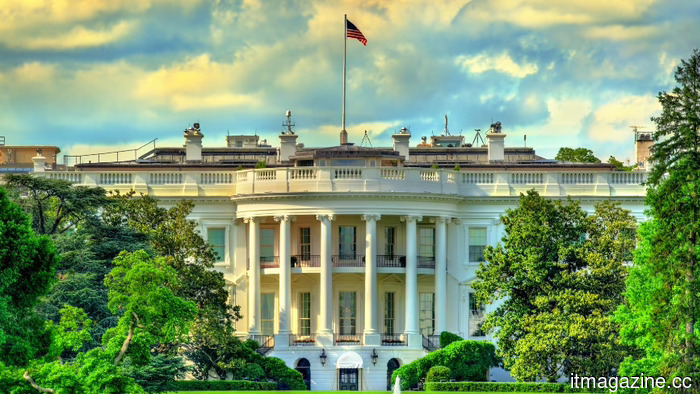
The White House proposes exchanging state AI preemption for federal online safety regulations in a new agreement with Congress.
TL;DR: The White House seeks to prevent state AI laws for three years in exchange for the passage of KOSA, the NO FAKES Act, and age verification. Free speech advocates are opposed.
According to Axios, the White House is in discussions with key senators to combine federal preemption of state AI laws with three online safety bills. Senator Marsha Blackburn is spearheading efforts to finalize the legislative language. This proposed package would impose a three-year ban on state AI regulations in exchange for the enactment of the Kids Online Safety Act (KOSA), the NO FAKES Act, and a federal requirement for age verification.
This move is part of the administration's ongoing efforts to limit states' rights to regulate AI. Previously, Congress has rejected similar preemption attempts twice; earlier this year, the Senate voted overwhelmingly to remove an AI preemption clause from the One Big Beautiful Bill Act. In contrast, states have been taking greater action, with 1,208 AI-related bills introduced in 2025 and 145 that have been passed.
This time, the administration is trying a new strategy: linking preemption to legislation that has support from both political parties. KOSA aims to require social media platforms to limit content harmful to minors, granting enforcement authority to the Federal Trade Commission (FTC). The NO FAKES Act is designed to protect people from AI-generated deepfakes. Additionally, age verification would necessitate identity checks for online services.
Free speech organizations are expressing concern. The Foundation for Individual Rights and Expression (FIRE), which is backed by conservative funding from the Koch network, has warned that "collectively, these bills would drastically alter the internet as we know it." FIRE contends that KOSA would empower the FTC to penalize platforms for lawful speech, and that age verification would effectively eliminate anonymous internet browsing.
The Intercept has reported that KOSA's age verification rules would make it nearly impossible to navigate the internet anonymously, raising concerns that cross political lines. This legislation would grant significant influence to the administration overseeing the FTC regarding how platforms moderate content for the approximately 71% of U.S. adults who use Instagram alone.
The AI preemption aspect would officially create a Center for AI Standards and Innovation and require certain developers to mitigate risks before launching their models. A spokesperson for Blackburn stated that the package does not constitute a "blanket preemption of all laws regulating AI or child safety," but rather is designed as subject-matter preemption targeting specific areas.
This initiative coincides with progressive states implementing restrictions on AI data center development and holding tech companies accountable for the damages caused by their AI systems. The administration argues that preemption is crucial for maintaining national competitiveness, while critics believe it would eliminate a key layer of AI oversight right when states are stepping in to fill a federal void.
The potential for this deal to succeed remains uncertain. The administration's approach to AI regulation has been cautious even as it promotes adoption. By bundling online safety with preemption, they aim to push both measures through Congress in a single vote. The critical question is whether senators will agree to a three-year halt on state AI laws as the cost of enhancing online protections for children.
Published June 10, 2026 - 9:27 pm UTC
Other articles
 The White House proposes a deal with Congress to exchange state AI preemption for federal online safety legislation.
The Trump administration is in talks to prevent state AI regulations in return for the approval of KOSA, the NO FAKES Act, and federal age verification measures. Free speech organizations are opposed to this.
The White House proposes a deal with Congress to exchange state AI preemption for federal online safety legislation.
The Trump administration is in talks to prevent state AI regulations in return for the approval of KOSA, the NO FAKES Act, and federal age verification measures. Free speech organizations are opposed to this.
 Paramount is consolidating Pluto TV, BET+, and Paramount+ into a single technology platform in anticipation of HBO Max.
By mid-2026, Paramount plans to consolidate its streaming technology to reduce expenses, enhance advertising, and develop strategies for integrating HBO Max following the completion of the Warner Bros. merger.
Paramount is consolidating Pluto TV, BET+, and Paramount+ into a single technology platform in anticipation of HBO Max.
By mid-2026, Paramount plans to consolidate its streaming technology to reduce expenses, enhance advertising, and develop strategies for integrating HBO Max following the completion of the Warner Bros. merger.
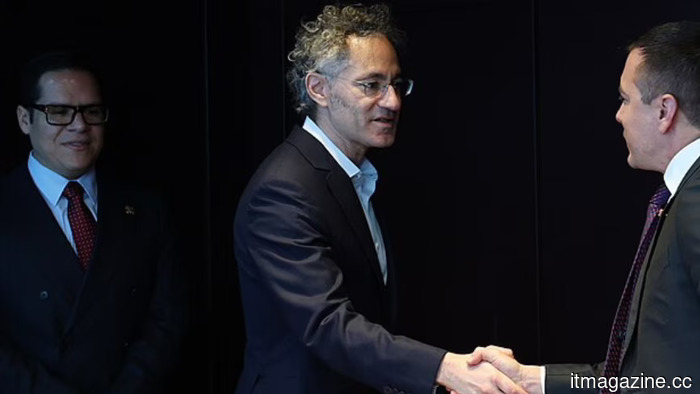 Karp from Palantir suggests that Sanders will come to regret seeking just 50% of AI companies, indicating that full nationalization is on the horizon.
Palantir's CEO Alex Karp informed CNBC that within two years, full AI nationalization will become a widely accepted stance among the left. Both Trump and Sanders have already reached a consensus on 50%.
Karp from Palantir suggests that Sanders will come to regret seeking just 50% of AI companies, indicating that full nationalization is on the horizon.
Palantir's CEO Alex Karp informed CNBC that within two years, full AI nationalization will become a widely accepted stance among the left. Both Trump and Sanders have already reached a consensus on 50%.
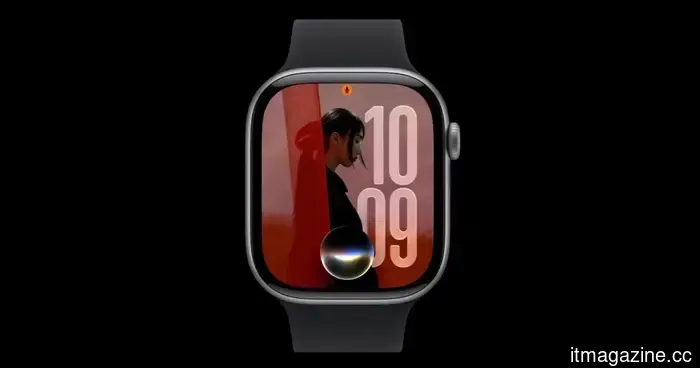 iOS 27 might simplify the process of saving battery life, reducing the need to search through settings.
Apple is experimenting with Dormancy within the code for iOS 27 and watchOS, suggesting that battery notifications may identify features that are not in use and advise users to disable them to prevent unnecessary power consumption.
iOS 27 might simplify the process of saving battery life, reducing the need to search through settings.
Apple is experimenting with Dormancy within the code for iOS 27 and watchOS, suggesting that battery notifications may identify features that are not in use and advise users to disable them to prevent unnecessary power consumption.
 A jazz label produced a rendition of an AI-generated song to highlight a crucial issue that the music industry has been neglecting.
A jazz record label transformed a nameless AI-generated song into a commentary on human creativity and developed a tool to support it.
A jazz label produced a rendition of an AI-generated song to highlight a crucial issue that the music industry has been neglecting.
A jazz record label transformed a nameless AI-generated song into a commentary on human creativity and developed a tool to support it.
 Seattle-based drinkware manufacturer MiiR has filed a lawsuit against Tesla, alleging that the company has copied the design of its tumbler lid.
MiiR claims that Tesla's On The Road Tumbler infringes on its patented lid design and the positioning of its vertical logo. The company is pursuing a permanent injunction along with Tesla's profits.
Seattle-based drinkware manufacturer MiiR has filed a lawsuit against Tesla, alleging that the company has copied the design of its tumbler lid.
MiiR claims that Tesla's On The Road Tumbler infringes on its patented lid design and the positioning of its vertical logo. The company is pursuing a permanent injunction along with Tesla's profits.
The White House proposes exchanging state AI preemption for federal online safety regulations in a new agreement with Congress.
The Trump administration is in talks to prevent state AI regulations in return for the passage of KOSA, the NO FAKES Act, and federal age verification measures. Free speech organizations are opposed to this.