
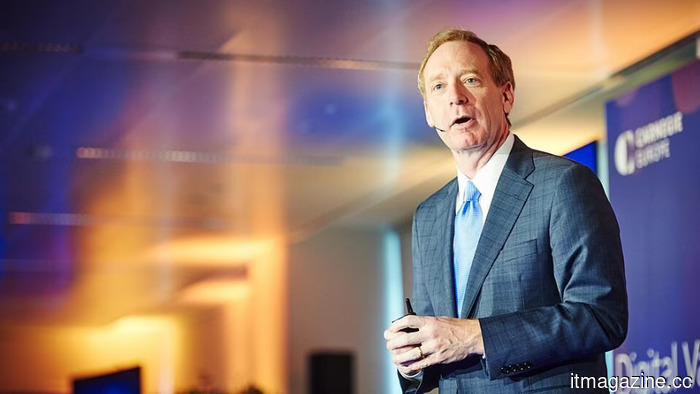
The president of Microsoft addresses the criticism surrounding AI with a lengthy 3,000-word article, while making no alterations to existing policies.
Microsoft's Brad Smith authored a 3,000-word essay addressing the graduation ceremonies where students booed AI. He called it a significant wake-up call but did not propose any policy alterations, suggesting instead that graduates should adapt.
In his essay, published on Microsoft's official blog on Tuesday, Smith recognized the concerns raised by students while highlighting their reactions as a powerful signal for the tech industry. He drew from his own experience at Princeton, where students criticized jacket designs allegedly created using AI. He related this response to other recent incidents, such as Eric Schmidt being booed at the University of Arizona, Gloria Caulfield at the University of Central Florida, and a college president criticized for an AI system that mistakenly skipped graduates’ names.
Smith noted that "People will insist on having a say in deciding when and how AI is used." He likened the current situation to 1838, when the introduction of cameras raised fears that photography would render artists unnecessary, suggesting that the booing students are akin to those who feared for the future of art due to new technology.
He recognized the challenging job market, referring to it as a “perfect storm” for the class of 2026, but did not delve into specific statistics surrounding the situation. For example, Goldman Sachs projected earlier this year that around 16,000 jobs in the US are being lost monthly to AI, while ServiceNow’s CEO cautioned that graduate unemployment might reach 30% within two years. Additionally, another Microsoft executive warned that AI could eliminate white-collar jobs in just 18 months.
According to Smith, "Students and graduates acknowledge AI’s benefits. However, they desire to keep AI in its proper context." He likened the resistance to AI to consumer preferences for natural fibers over synthetic ones, suggesting that the backlash reflects market preferences rather than feelings of economic displacement.
In his concluding remarks to graduates, he stated: “Constant change has taught you how to adapt quickly. As AI transforms our work, you don’t need to unlearn decades of habits as some of us do.” He encouraged them to advocate for enduring values such as agency, ambition, and dignity.
However, the essay lacked commitments to slow down AI implementation, safeguard entry-level jobs, or invest in large-scale retraining initiatives. In the same month, Meta cut 8,000 jobs due to an AI restructuring, and Standard Chartered announced plans to eliminate 7,800 back-office roles by 2030, affecting entry-level positions often filled by new graduates. The combined investment in AI infrastructure by major tech companies is projected to exceed $700 billion by 2026, funded in part by reallocating payroll into capital expenditure.
The class of 2026 began their university experience in the same semester that ChatGPT was launched. They witnessed prominent tech companies simultaneously announce layoffs and increases in AI spending during their earnings calls. The boos were not an expression of confusion about a tech cycle; rather, they voiced the realization of a generation who calculated the implications before the commencement speaker finished. Smith recognized this and urged them to accept the reality.
Other articles
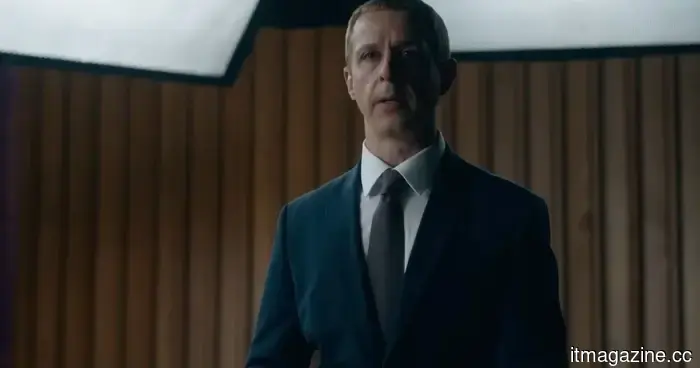 The trailer for Social Reckoning has been released, and Jeremy Strong seems to be an ideal selection for the role of Mark Zuckerberg.
Aaron Sorkin is back with The Social Reckoning, a companion work to The Social Network that focuses on the Facebook whistleblower controversy, featuring Jeremy Strong in the role of Zuckerberg.
The trailer for Social Reckoning has been released, and Jeremy Strong seems to be an ideal selection for the role of Mark Zuckerberg.
Aaron Sorkin is back with The Social Reckoning, a companion work to The Social Network that focuses on the Facebook whistleblower controversy, featuring Jeremy Strong in the role of Zuckerberg.
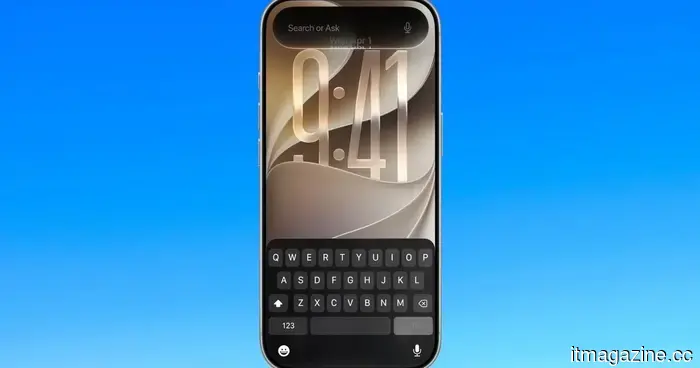 iOS 27: All the information regarding the new features coming to your iPhone.
Apple's iOS 27 update introduces enhancements to Siri AI and Apple Intelligence, but the minor enhancements to Mail, AirDrop, Photos, Shortcuts, AirPods, and overall compatibility are equally important. Here’s a summary of everything disclosed about iOS 27.
iOS 27: All the information regarding the new features coming to your iPhone.
Apple's iOS 27 update introduces enhancements to Siri AI and Apple Intelligence, but the minor enhancements to Mail, AirDrop, Photos, Shortcuts, AirPods, and overall compatibility are equally important. Here’s a summary of everything disclosed about iOS 27.
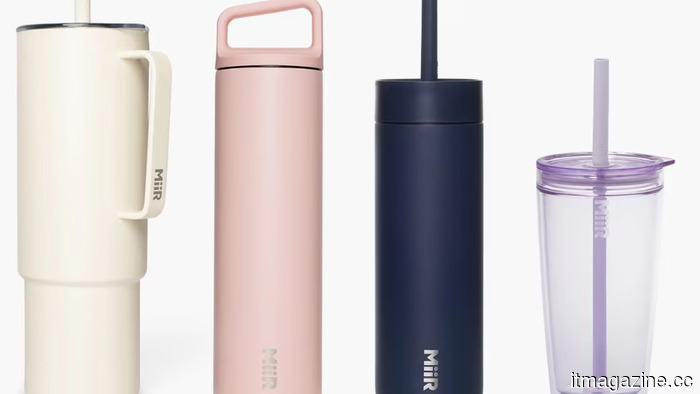 Seattle-based drinkware company MiiR has filed a lawsuit against Tesla, alleging that the automaker has copied the design of its tumbler lid.
MiiR claims that Tesla's On The Road Tumbler infringes on its patented lid design and vertical logo positioning. The company is pursuing a permanent injunction and seeks to recover Tesla's profits.
Seattle-based drinkware company MiiR has filed a lawsuit against Tesla, alleging that the automaker has copied the design of its tumbler lid.
MiiR claims that Tesla's On The Road Tumbler infringes on its patented lid design and vertical logo positioning. The company is pursuing a permanent injunction and seeks to recover Tesla's profits.
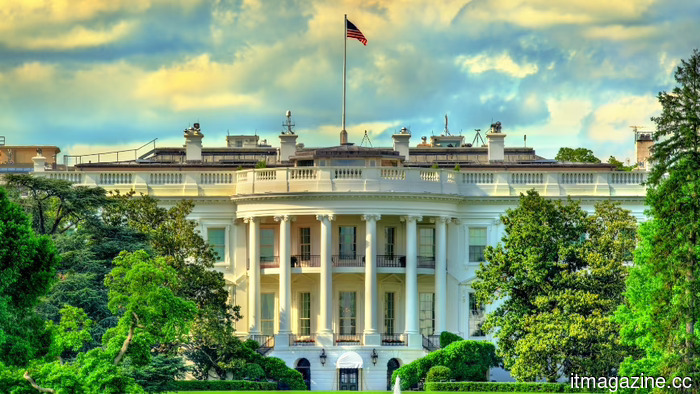 The White House proposes a deal with Congress to exchange state AI preemption for federal online safety legislation.
The Trump administration is in talks to prevent state AI regulations in return for the approval of KOSA, the NO FAKES Act, and federal age verification measures. Free speech organizations are opposed to this.
The White House proposes a deal with Congress to exchange state AI preemption for federal online safety legislation.
The Trump administration is in talks to prevent state AI regulations in return for the approval of KOSA, the NO FAKES Act, and federal age verification measures. Free speech organizations are opposed to this.
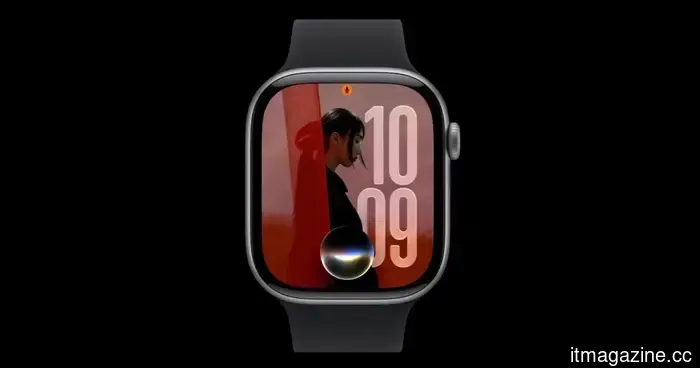 iOS 27 might simplify the process of saving battery life, reducing the need to search through settings.
Apple is experimenting with Dormancy within the code for iOS 27 and watchOS, suggesting that battery notifications may identify features that are not in use and advise users to disable them to prevent unnecessary power consumption.
iOS 27 might simplify the process of saving battery life, reducing the need to search through settings.
Apple is experimenting with Dormancy within the code for iOS 27 and watchOS, suggesting that battery notifications may identify features that are not in use and advise users to disable them to prevent unnecessary power consumption.
 Anthropic is advocating for governments to possess the authority to prevent the implementation of hazardous AI systems.
Anthropic released two policy frameworks advocating for government intervention to prohibit hazardous AI models and for economic protections to shield workers from job displacement.
Anthropic is advocating for governments to possess the authority to prevent the implementation of hazardous AI systems.
Anthropic released two policy frameworks advocating for government intervention to prohibit hazardous AI models and for economic protections to shield workers from job displacement.
The president of Microsoft addresses the criticism surrounding AI with a lengthy 3,000-word article, while making no alterations to existing policies.
The president of Microsoft wrote an essay describing the backlash against AI from graduates as a "wake-up call." His recommendation: to adapt. His admissions: none.