
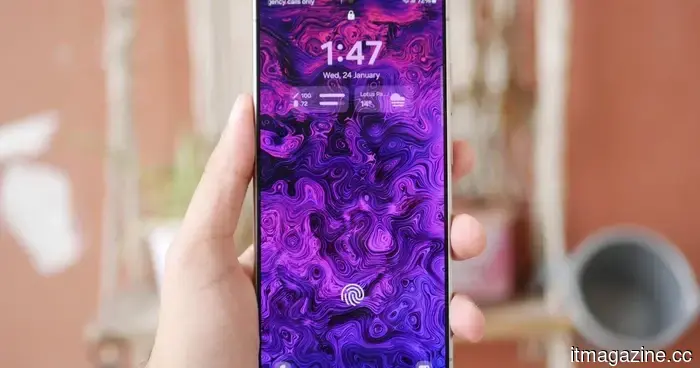
The post-warranty graveyard is becoming crowded with functioning devices.
I hesitantly upgraded from my Pixel 4a in late 2024, meaning I held onto a phone that still felt like a phone for four years. One reason for that attachment was its size. The Pixel 4a was compact enough to use without having to stretch my thumb, a rarity nowadays since flagship models have turned into pocket-tablets. But that’s a discussion for another time.
The more troubling issue arose after my upgrade. In January 2025, Google automatically rolled out an Android 13 update to Pixel 4a devices. According to Google’s own support page, this update reduced battery capacity and affected charging performance for some devices. Users on Reddit expressed their frustration more bluntly, with one post on r/Pixel4a stating that the battery suddenly had “around 40% of its previous capacity” following the update.
For the poor Pixel 4a, that was essentially the beginning of the end.
When an update becomes problematic
A fading battery is expected. It’s not shocking for a four-year-old phone to require servicing. Batteries deteriorate, screens can fail, ports may become loose, and gravity remains relentless.
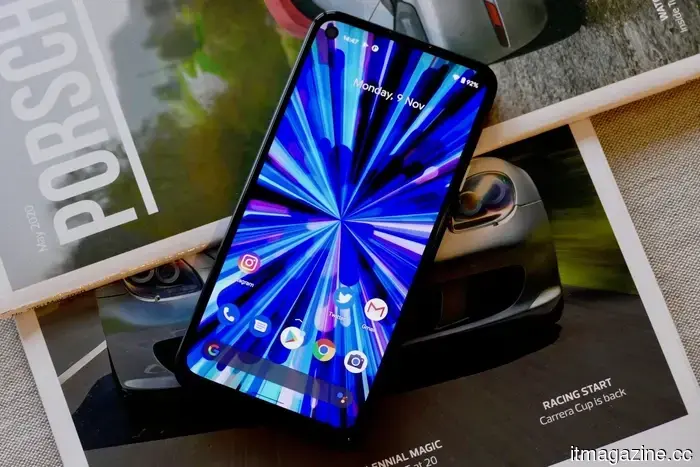
Google Pixel 4a Andy Boxall / Digital Trends
This situation felt different. The phone didn’t just age in someone’s pocket; its functional life diminished due to a company-released patch, leaving the owner to manage the aftermath. The Verge reported that the update aimed to mitigate overheating risks and reduced charging capacity by over 50% on affected devices. While battery safety is important, it doesn’t change the experience of waking up to a phone that can’t last through the day anymore.
That’s the reality of an update gone wrong. Software no longer simply supports aging hardware; it can also determine when that hardware becomes frustrating to use.
When every update feels problematic
My wife, who uses an S24 Ultra, experiences a similar anxiety. She frequently encounters Reddit threads discussing Samsung Galaxy phones and the dreaded green line—a glaring vertical mark that makes a screen appear like a prop from a cyberpunk film. One r/S23 user reported a green line emerging on a meticulously cared-for phone after about a year and a half, followed by a Samsung service quote for a screen replacement since the warranty had expired. Another post in the Samsung Community claimed a green line issue occurred after an August update, despite the display working flawlessly beforehand.
Reddit isn’t a forensic lab. A green line could stem from mundane hardware failure rather than corporate malice on a release schedule. Still, the anxiety is palpable. Users worry not only that an update might rearrange buttons or disrupt camera settings, but that it could also be the factor that pushes a functioning device from “old” to “not worth repairing.”
Modern devices are never truly released; they continuously communicate with the manufacturer. They constantly request updates and rely on decisions made long after the purchase receipt is faded. Ownership now carries a subtle asterisk.
The graveyard of software updates
Planned obsolescence once sounded like paranoid consumer conspiracy, which conveniently benefited those selling new products. Then regulators began documenting it in dry, official language. In 2018, Italy’s competition authority fined Samsung and Apple for causing significant malfunctions and decreased performance in older phones through software and firmware updates. Samsung received a €5 million fine, while Apple was fined €10 million.
Apple’s battery-throttling scandal made it harder to dismiss the suspicions. In the U.S., Apple reached a settlement of up to $500 million over allegations it slowed older iPhones, while another multistate settlement mandated Apple to pay $113 million for misrepresentations regarding iPhone batteries and performance throttling. Consumers were not imagining the pattern; evidence was evident in court filings, regulatory decisions, and the sudden decline in the feel of their devices.
Europe appears less inclined to accept “trust us” as a policy regarding product lifespans. New EU regulations for smartphones and tablets took effect on June 20, 2025, addressing durability, repairability, battery life, and software updates. New labels will present some of that lifespan information to shoppers before they make a purchase.
The post-warranty graveyard used to be visibly recognizable: cracked screens, swollen batteries, and charging ports filled with lint. Now, the graveyard includes paperwork, compatibility warnings, and software that gradually becomes uncooperative. The device may still power on and look fine on a desk, but one day the company will redefine what “usable” means, and the product you purchased will begin to feel like waste.
Other articles
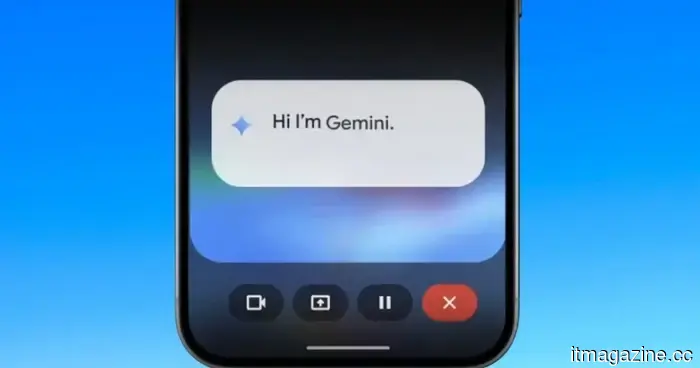 Gemini may soon provide a troubleshooting mode, potentially saving you a trip to the help manuals.
A newly observed Gemini Troubleshooting mode provides users with step-by-step instructions and interactive tools to resolve common issues more effectively.
Gemini may soon provide a troubleshooting mode, potentially saving you a trip to the help manuals.
A newly observed Gemini Troubleshooting mode provides users with step-by-step instructions and interactive tools to resolve common issues more effectively.
 The post-warranty graveyard is becoming populated with functioning devices.
Software updates are intended to prolong the lifespan of devices, but the battery issues with the Pixel 4a illustrate how quickly they can contribute to rendering older hardware obsolete.
The post-warranty graveyard is becoming populated with functioning devices.
Software updates are intended to prolong the lifespan of devices, but the battery issues with the Pixel 4a illustrate how quickly they can contribute to rendering older hardware obsolete.
 The concealed work associated with contemporary tech support is transforming everyone into unpaid workers.
Contemporary tech support promotes self-service as a convenience; however, each interaction with a chatbot and every repetitive explanation contributes to unpaid work.
The concealed work associated with contemporary tech support is transforming everyone into unpaid workers.
Contemporary tech support promotes self-service as a convenience; however, each interaction with a chatbot and every repetitive explanation contributes to unpaid work.
 An application that enables anyone to operate a robot via their phone, without the need for any coding.
Researchers at Georgia Tech have created COBALT, a smartphone platform that enables users to control robots remotely from any location utilizing straightforward motion controls and Wi-Fi connectivity.
An application that enables anyone to operate a robot via their phone, without the need for any coding.
Researchers at Georgia Tech have created COBALT, a smartphone platform that enables users to control robots remotely from any location utilizing straightforward motion controls and Wi-Fi connectivity.
 Netflix states that there is no future for theatrical releases within its streaming ecosystem.
Mr. Lin stressed that "Narnia" was an anomaly and maintained that the company's view on movie theaters remains unchanged. “There are filmmakers who still prefer theatrical releases. Those are the filmmakers we have acknowledged we simply won’t collaborate with,” he stated, exhibiting his characteristic straightforwardness.
Netflix states that there is no future for theatrical releases within its streaming ecosystem.
Mr. Lin stressed that "Narnia" was an anomaly and maintained that the company's view on movie theaters remains unchanged. “There are filmmakers who still prefer theatrical releases. Those are the filmmakers we have acknowledged we simply won’t collaborate with,” he stated, exhibiting his characteristic straightforwardness.
 Apple might introduce the MacBook Ultra in two sizes featuring a unique OLED display.
Apple's MacBook Ultra may be launched in the third quarter of 2026, featuring a new hybrid OLED display, two size choices, and the most significant redesign of a MacBook in years.
Apple might introduce the MacBook Ultra in two sizes featuring a unique OLED display.
Apple's MacBook Ultra may be launched in the third quarter of 2026, featuring a new hybrid OLED display, two size choices, and the most significant redesign of a MacBook in years.
The post-warranty graveyard is becoming crowded with functioning devices.
Software updates are intended to prolong the life of devices, but the issues with the Pixel 4a battery demonstrate how quickly they can push older hardware toward obsolescence.