
Netflix states that there is no future for theatrical releases within its streaming ecosystem.
Netflix might consider a theatrical release for Greta Gerwig's upcoming Narnia film, but anyone in Hollywood hoping this decision shows a change in the company’s approach will likely be disappointed, as it has now firmly stated otherwise.
In an honest discussion with The New York Times, Netflix film chairman Dan Lin emphasized that the streaming service's relationship with theaters has not significantly shifted. Although Gerwig's Narnia is set for a full theatrical run before it hits Netflix, Lin clarified that this is an exception rather than a sign of a new direction. He notably indicated that Netflix is not keen on accommodating filmmakers who still favor traditional theatrical releases.
"There is a group of filmmakers who still want theatrical," Lin stated. "These are filmmakers we've accepted we simply won’t collaborate with." This straightforward remark underscores the confidence of a company that no longer feels compelled to adhere to Hollywood's conventional practices.
Netflix no longer relies on theaters for validation.
Several years back, Netflix made considerable efforts to persuade filmmakers of its dual role as a streaming powerhouse and a credible movie studio. Under former film head Scott Stuber, the company actively sought out acclaimed directors, provided substantial budgets, and occasionally championed theatrical releases to attract awards consideration.
Today, the landscape has changed significantly. Netflix has triumphed in the streaming wars by most typical standards, boasting hundreds of millions of subscribers, leading viewing trends, and operating from a powerful position as traditional studios explore sustainable business models. Lin believes the company no longer needs theaters to affirm its films or its reputation.
Instead, the emphasis has shifted to catering specifically to Netflix audiences. Lin has spent the last two years advocating for a strategy that focuses on producing fewer films, managing budgets more carefully, and concentrating on projects that can draw viewers directly to the platform.
This strategy has already brought successes, including Apex, which achieved over 100 million views within its first month on the service, and People We Meet on Vacation, a romantic comedy that attracted millions of viewers and elevated relatively unknown actors to the status of recognizable Netflix stars.
The divide between theaters and streaming isn't going away.
The friction between streaming platforms and theatrical releases has never fully dissipated. Many filmmakers continue to argue that movies are meant to be enjoyed on large screens with packed audiences. For directors, theatrical runs can foster cultural momentum, garner awards attention, and provide a level of prestige that streaming premieres often struggle to match.
However, Netflix maintains a different perspective on the issue. Lin's remarks imply that the company is comfortable parting ways with creators whose requirements do not fit its business model. This marks a significant departure from previous years when Netflix often seemed eager to win over skeptical Hollywood talent at almost any expense.
The Narnia release illustrates that exceptions might still be made for major projects or filmmakers with enough influence. Yet, Netflix seems intent on keeping these exceptions limited. The company envisions its future within its app, not in multiplexes.
For film enthusiasts, this could be disheartening. There is something undeniably enchanting about experiencing a grand fantasy epic on a massive screen surrounded by fellow movie-goers. Nevertheless, from a business standpoint, it's increasingly difficult to dispute Netflix's position. If a film can engage tens of millions of viewers worldwide without relying on ticket sales, the streaming service sees little reason to share attention with theaters.
So while Narnia may enjoy some time in the limelight at cinemas, it shouldn't be misconstrued as a revival of Netflix's theatrical aspirations. According to the executive leading the company's film division, that phase was never intended to be reopened.


Otros artículos
 Netflix dice que no hay futuro para los estrenos en cines en su universo de streaming.
El Sr. Lin enfatizó que “Narnia” era una excepción e insistió en que la perspectiva de la compañía sobre los cines no había cambiado. “Hay un grupo de cineastas que todavía quieren el cine. Esos son cineastas con los que hemos aceptado que simplemente no trabajaremos”, dijo, desplegando lo que se ha convertido en su característica franqueza.
Netflix dice que no hay futuro para los estrenos en cines en su universo de streaming.
El Sr. Lin enfatizó que “Narnia” era una excepción e insistió en que la perspectiva de la compañía sobre los cines no había cambiado. “Hay un grupo de cineastas que todavía quieren el cine. Esos son cineastas con los que hemos aceptado que simplemente no trabajaremos”, dijo, desplegando lo que se ha convertido en su característica franqueza.
 La mejor nueva función de ChatGPT es una que la mayoría de las personas nunca utilizará.
Cuando se trata de la seguridad de la IA, la conveniencia y la protección rara vez están en la misma mesa. El nuevo Modo de Bloqueo de OpenAI es prueba de ello.
Netflix dice que no hay futuro para los estrenos teatrales en su universo de streaming.
El Sr. Lin enfatizó que “Narnia” era una excepción e insistió en que la perspectiva de la compañía sobre los cines no había cambiado. “Hay un grupo de cineastas que todavía quieren estrenos en cines. Esos son cineastas con los que hemos aceptado que simplemente no trabajaremos”, dijo, desplegando lo que se ha convertido en su característica franqueza.
La mejor nueva función de ChatGPT es una que la mayoría de las personas nunca utilizará.
Cuando se trata de la seguridad de la IA, la conveniencia y la protección rara vez están en la misma mesa. El nuevo Modo de Bloqueo de OpenAI es prueba de ello.
Netflix dice que no hay futuro para los estrenos teatrales en su universo de streaming.
El Sr. Lin enfatizó que “Narnia” era una excepción e insistió en que la perspectiva de la compañía sobre los cines no había cambiado. “Hay un grupo de cineastas que todavía quieren estrenos en cines. Esos son cineastas con los que hemos aceptado que simplemente no trabajaremos”, dijo, desplegando lo que se ha convertido en su característica franqueza.
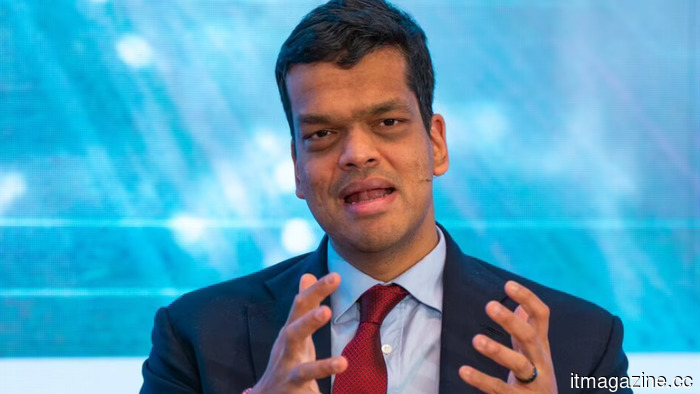 El principal asesor de IA de Trump, Sriram Krishnan, está renunciando a la Casa Blanca.
Sriram Krishnan, quien dio forma al plan de acción de IA de Trump, se va a finales de junio para comenzar una institución externa centrada en la política de IA.
El principal asesor de IA de Trump, Sriram Krishnan, está renunciando a la Casa Blanca.
Sriram Krishnan, quien dio forma al plan de acción de IA de Trump, se va a finales de junio para comenzar una institución externa centrada en la política de IA.
 El derecho a reparar no es una cruzada de aficionados. Es una lucha por la propiedad.
El derecho a reparar generalmente se enmarca como un problema de residuos electrónicos, pero el problema más agudo es la propiedad. Una batería que se está agotando no debería convertir un dispositivo por el que pagaste en propiedad de la empresa nuevamente.
El derecho a reparar no es una cruzada de aficionados. Es una lucha por la propiedad.
El derecho a reparar generalmente se enmarca como un problema de residuos electrónicos, pero el problema más agudo es la propiedad. Una batería que se está agotando no debería convertir un dispositivo por el que pagaste en propiedad de la empresa nuevamente.
 Una aplicación que permite a cualquiera controlar un robot desde su teléfono, sin necesidad de codificación.
Los investigadores del Georgia Tech han desarrollado COBALT, una plataforma basada en smartphones que permite a cualquier persona controlar robots de forma remota desde cualquier lugar utilizando controles de movimiento simples y conectividad Wi-Fi.
Una aplicación que permite a cualquiera controlar un robot desde su teléfono, sin necesidad de codificación.
Los investigadores del Georgia Tech han desarrollado COBALT, una plataforma basada en smartphones que permite a cualquier persona controlar robots de forma remota desde cualquier lugar utilizando controles de movimiento simples y conectividad Wi-Fi.
Netflix states that there is no future for theatrical releases within its streaming ecosystem.
Mr. Lin stressed that "Narnia" was an anomaly and maintained that the company's view on movie theaters remains unchanged. “There are filmmakers who still prefer theatrical releases. Those are the filmmakers we have acknowledged we simply won’t collaborate with,” he stated, exhibiting his characteristic straightforwardness.