
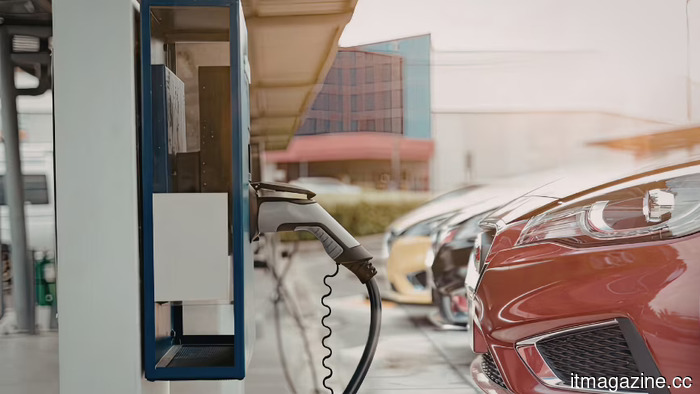
Chinese electric vehicles are entering the US market. Detroit's optimal strategy might be to collaborate with them.
Chinese electric vehicles are currently facing a 125% tariff in the US, along with a proposed Senate ban and substantial resistance from lawmakers and the American automotive sector. Nonetheless, there is an increasing likelihood that Chinese EVs will make their way into the US market in the coming years, utilizing various entry points through Canada, Mexico, and collaborations with domestic manufacturers that oppose them publicly.
According to the International Energy Agency, China accounted for nearly 75% of global EV production and 40% of EV trade by 2025, with the output of 16 million electric vehicles exceeding domestic demand by 20% and leading to exports reaching a record 2.5 million units. “The only market globally that they have not yet infiltrated is the United States,” remarked Michael Dunne, CEO of Dunne Insights.
The "Big Three" automakers—Ford, GM, and Stellantis—are in a difficult situation. While they have stepped back from their ambitious EV initiatives, most experts agree that electrification is the future of the industry. “U.S. companies have scaled back many of their electric vehicle efforts because they haven’t been able to create a compelling value proposition in a cost-effective manner,” stated Stephen Dyer from AlixPartners. “You cannot compete effectively if you are not actively participating.”
However, all three companies are discreetly enhancing their relationships with Chinese manufacturers. Ford is negotiating a partnership with Geely for Europe and, as reported by The Wall Street Journal, seems to be opening the possibility of Chinese vehicles entering the U.S. market in the future. GM is already importing CATL battery cells for the Chevy Bolt, while Stellantis holds a 21% stake in Leapmotor and a 51% majority in a joint venture, which its CEO mentioned could branch out to Canada and Mexico.
Geely is taking advantage of Volvo's existing plants instead of constructing new ones, thereby establishing manufacturing bases in Europe and the U.S. without the need for creating new facilities. The Volvo plant near Charleston, South Carolina, could potentially be modified for other Geely-branded vehicles, including those used by Waymo for its robotaxi services.
Chinese EVs have already started making their way into Canada, where Prime Minister Mark Carney signed a January agreement allowing for the annual importation of 49,000 Chinese-manufactured EVs with a 6.1% tariff. In Mexico, Chinese brands represent a quarter of total vehicle sales. BYD and Geely are among the candidates aiming to acquire a Nissan-Mercedes factory in the country. GAC has also announced intentions to initiate assembly operations in Mexico this year.
In January, Trump showed support for permitting Chinese companies to manufacture in the U.S., provided they hire American workers. However, obstacles persist. A Senate bill aiming to impose a permanent ban on Chinese automakers has bipartisan support. There are also regulations that limit the use of Chinese-developed software in connected vehicles, and the USMCA trade agreement is up for renegotiation, with the Trump administration advocating for new U.S. content requirements in vehicles.
Moreover, the border has become increasingly permeable. Chinese EVs from manufacturers like BYD, Geely, and Xpeng are appearing near the U.S.-Mexico border, being purchased from Mexican dealerships for less than $20,000 by individuals commuting to U.S. border towns. While registering these vehicles in the U.S. is nearly impossible, consumer interest is evident. According to Kelley Blue Book, 38% of Americans would contemplate buying a Chinese vehicle.
China's domestic market is also driving companies to seek international opportunities. In April, EV and hybrid sales in China saw a 6.8% decline from the previous year, while total vehicle sales dropped by 21.5%. With overcapacity and heightened competition, Chinese automakers are compelled to export to remain viable.
“By 2030, we will witness some incarnation of Chinese vehicles on American roads,” Dunne predicted. “One way or another, they will find their way in.” The critical question remains whether Detroit will act as a partner or merely a bystander during this process.
Other articles
 Swiss startup GR3N has secured €15.5 million to construct the first-ever microwave-powered PET recycling facility.
GR3N has secured €15.5 million in Series B funding to establish a 40,000-ton microwave-assisted PET recycling facility in Spain. This technology reduces CO2 emissions by 80% and processes all types of PET waste.
Swiss startup GR3N has secured €15.5 million to construct the first-ever microwave-powered PET recycling facility.
GR3N has secured €15.5 million in Series B funding to establish a 40,000-ton microwave-assisted PET recycling facility in Spain. This technology reduces CO2 emissions by 80% and processes all types of PET waste.
 The governor of the Bank of England has cautioned that artificial intelligence might require rationing due to energy constraints.
Andrew Bailey states that AI will soon surpass the available power, compelling governments to make choices between advancements in healthcare, defense, or other areas.
The governor of the Bank of England has cautioned that artificial intelligence might require rationing due to energy constraints.
Andrew Bailey states that AI will soon surpass the available power, compelling governments to make choices between advancements in healthcare, defense, or other areas.
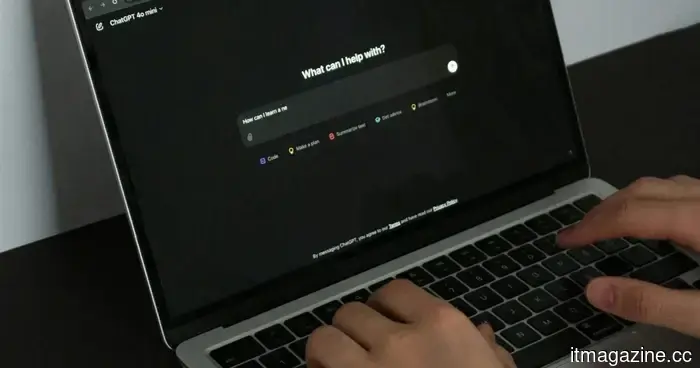 You can now directly send emails from ChatGPT on the web.
Thanks to a recent update to the platform's writing blocks feature, you can now create, edit, and send emails completely within ChatGPT on the web.
You can now directly send emails from ChatGPT on the web.
Thanks to a recent update to the platform's writing blocks feature, you can now create, edit, and send emails completely within ChatGPT on the web.
 Google Meet's AI note-taking feature now allows users to personalize their meeting notes and monitor decisions.
The "Take notes for me" feature in Google Meet now allows you to toggle specific sections of notes and monitor meeting decisions using clear outcome labels.
Google Meet's AI note-taking feature now allows users to personalize their meeting notes and monitor decisions.
The "Take notes for me" feature in Google Meet now allows you to toggle specific sections of notes and monitor meeting decisions using clear outcome labels.
Chinese electric vehicles are entering the US market. Detroit's optimal strategy might be to collaborate with them.
Chinese electric vehicles are subject to 125% tariffs and a Senate ban, yet companies like BYD and Geely, among others, are discovering avenues into the market via Canada, Mexico, and collaborations with American car manufacturers.