
Swiss startup GR3N has secured €15.5 million to construct the first-ever microwave-powered PET recycling facility.
Swiss cleantech startup GR3N has secured €15.5 million in a Series B funding round to establish the first commercial-scale microwave-assisted PET recycling facility in Spain. The funding round was led by 360 Capital, with participation from new investor VP Textile. The funds will be used to develop MODUS, a facility capable of processing 40,000 tons of PET per year.
PET is one of the most commonly used plastics globally, yet 98% of recycling is dependent on mechanical methods, which can only handle transparent and light-blue bottles—approximately 15% of total PET waste. The remaining 85%, which includes textile fibers, films, and colored resins, is either sent to landfills or incinerated, representing a significant challenge in the EU’s effort to meet its emissions goals.
GR3N's technology, known as MADE (Microwave Assisted DEpolymerisation), is capable of processing all types of PET waste. Unlike mechanical recycling and other alternatives such as glycolysis and methanolysis, MADE does not have feedstock restrictions. It generates food-grade monomers that can be recycled multiple times without performance degradation, while also reducing CO2 emissions by up to 80% compared to the production of virgin PET.
The MODUS facility has been awarded a €35 million grant from the EU Innovation Fund under the large-scale industrial projects category. Intecsa Industrial, which is part of the Cobra IS group, will oversee engineering and construction. Financial closure is anticipated in Q4 2027, with commercial operations set to commence in Q2 2030.
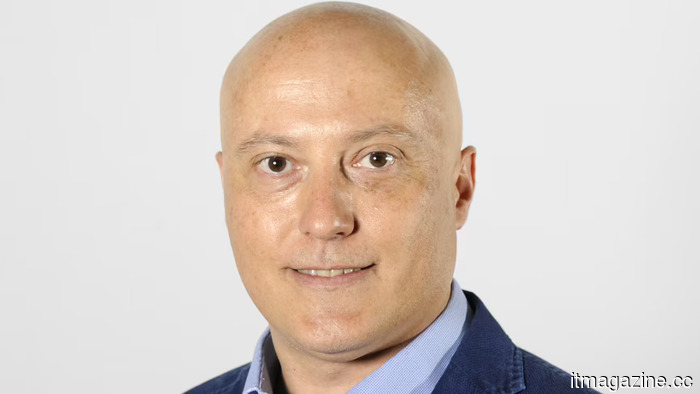
Founded in 2013 by Italian inventor Maurizio Crippa, GR3N recently transitioned CEO responsibilities to Martin Stephan, who has two decades of experience in technology-focused enterprises. Current industrial stakeholders include Intecsa Industrial, Standex International, and Chevron.
While the funding round may seem modest by venture capital standards, the EU grant and industrial support indicate that the technology has advanced beyond the laboratory phase. If MODUS achieves its target of processing 40,000 tons annually, it would prove that chemical recycling can effectively manage the types of PET waste that have posed challenges for the industry. Europe has a larger number of climate tech startups compared to the US, but scaling deep tech from laboratory development to full-scale production remains a significant challenge.
Other articles
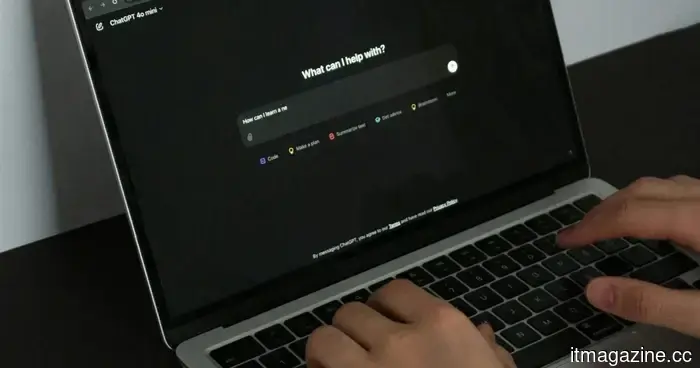 You can now directly send emails from ChatGPT on the web.
Thanks to a recent update to the platform's writing blocks feature, you can now create, edit, and send emails completely within ChatGPT on the web.
You can now directly send emails from ChatGPT on the web.
Thanks to a recent update to the platform's writing blocks feature, you can now create, edit, and send emails completely within ChatGPT on the web.
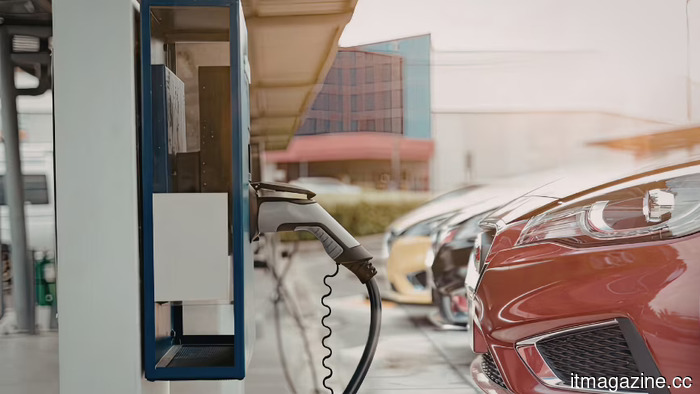 Chinese electric vehicles are entering the US market. Detroit's optimal strategy might be to collaborate with them.
Chinese electric vehicles are subject to 125% tariffs and a Senate ban, yet companies like BYD and Geely, among others, are discovering avenues into the market via Canada, Mexico, and collaborations with American car manufacturers.
Chinese electric vehicles are entering the US market. Detroit's optimal strategy might be to collaborate with them.
Chinese electric vehicles are subject to 125% tariffs and a Senate ban, yet companies like BYD and Geely, among others, are discovering avenues into the market via Canada, Mexico, and collaborations with American car manufacturers.
 The governor of the Bank of England has cautioned that artificial intelligence might require rationing due to energy constraints.
Andrew Bailey states that AI will soon surpass the available power, compelling governments to make choices between advancements in healthcare, defense, or other areas.
The governor of the Bank of England has cautioned that artificial intelligence might require rationing due to energy constraints.
Andrew Bailey states that AI will soon surpass the available power, compelling governments to make choices between advancements in healthcare, defense, or other areas.
 Google Meet's AI note-taking feature now allows users to personalize their meeting notes and monitor decisions.
The "Take notes for me" feature in Google Meet now allows you to toggle specific sections of notes and monitor meeting decisions using clear outcome labels.
Google Meet's AI note-taking feature now allows users to personalize their meeting notes and monitor decisions.
The "Take notes for me" feature in Google Meet now allows you to toggle specific sections of notes and monitor meeting decisions using clear outcome labels.
Swiss startup GR3N has secured €15.5 million to construct the first-ever microwave-powered PET recycling facility.
GR3N has secured €15.5 million in Series B funding to establish a 40,000-ton microwave-assisted PET recycling facility in Spain. This technology reduces CO2 emissions by 80% and processes all types of PET waste.