
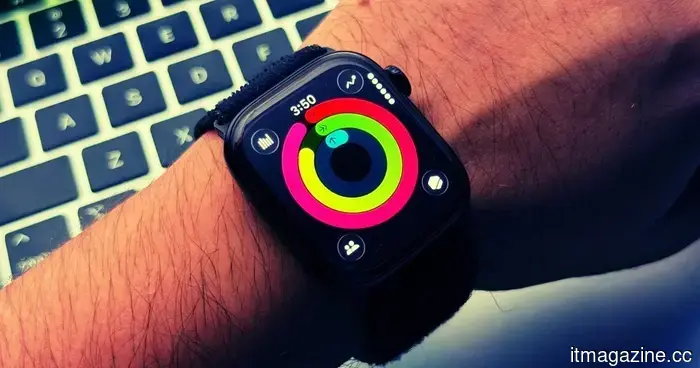
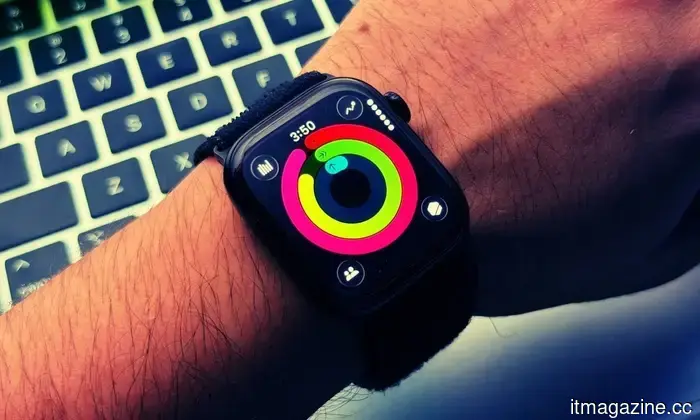
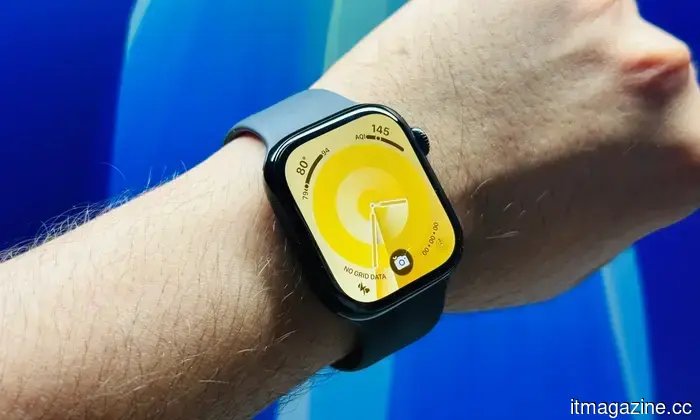
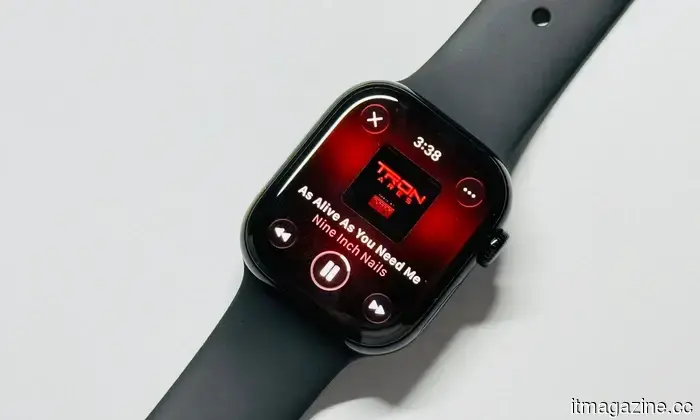
The upcoming Apple Watch may feature an enhanced OLED display along with improved battery life.
LG Display's development of HMO is closely aligned with Apple's established strategy for introducing new display technologies.
The Apple Watch currently features one of the top displays seen in smartwatches, but there are reports indicating that the company is developing enhancements to make it even better.
According to sources in the industry cited by The Elec, LG Display is in the process of developing and validating a new display backplane technology known as high-mobility oxide, or HMO, utilizing its sixth-generation OLED production lines.
The relevance of HMO for the battery life of the Apple Watch lies in its role as a backplane, which is the layer of transistors that manages each pixel of the OLED screen.
Presently, the best technology for Apple Watch displays is LTPO, which enhances battery life by allowing the screen to automatically reduce its refresh rate to 1Hz when not actively in use.
In contrast, HMO adopts a different technique, optimizing the low-power benefits of oxide transistor technology without the intricate manufacturing processes that LTPO requires.
This new technology eliminates the need for laser crystallization or ion implantation, which theoretically should lead to a display that consumes even less power and is cheaper to manufacture. In layman's terms, Apple Watch models featuring this technology could potentially have significantly longer battery life compared to those that utilize LTPO technology.
Apple is assessing HMO as a viable successor to LTPO for its Apple Watch displays. If everything goes as planned, we may also see this technology incorporated into future iPhone displays.
The primary challenge surrounding HMO's implementation in the Apple Watch revolves around how swiftly the transistors within the display can activate and deactivate.
Currently, mass-produced oxide panels lack the speed needed for the high-resolution, high-refresh-rate displays that Apple requires, and LG Display must considerably enhance this aspect before HMO can be ready for large-scale production. Achieving consistent performance across an entire panel, while retaining dependability, is a significant hurdle.
The report indicates that LG Display might provide the technology for smartwatch applications as soon as next year, suggesting an optimistic timeframe for an Apple Watch featuring an HMO display to be 2027 or later. However, a delay until 2028 wouldn't be surprising.
It's important to note that this information is derived from industry sources mentioned by The Elec, and has not been confirmed by either Apple or LG Display.
For over five years, Shikhar has been dedicated to simplifying advancements in consumer technology and effectively communicating them…
ASUS has introduced the VivoWatch 6 Plus, which features blood pressure and ECG monitoring, along with a wellness coach.
ASUS continues to focus on health-oriented wearables with the launch of the VivoWatch 6 Plus at Computex 2026. Unlike many current smartwatches filled with vague AI claims and fitness jargon, ASUS aims for practicality: real-time health monitoring supported by medical-grade sensors and AI-driven wellness recommendations.
The VivoWatch 6 Plus includes ECG monitoring, blood pressure tracking, body composition analysis, sleep monitoring, and stress tracking in a relatively compact smartwatch form. ASUS is particularly highlighting the watch’s new AI wellness coach, which evaluates health data and offers tailored recommendations based on user habits and biometric information.
Amazon announces the date for Prime Day sales, set to occur slightly earlier this year.
Amazon has shifted Prime Day to June for the first time, strategically placing it ahead of the back-to-school shopping season.
Amazon Prime Day returns, lasting four days once again, and for the first time in its history, it will commence in June rather than July. Therefore, if you were accustomed to waiting until mid-July for discounts last summer, you now have about two weeks less to make decisions.
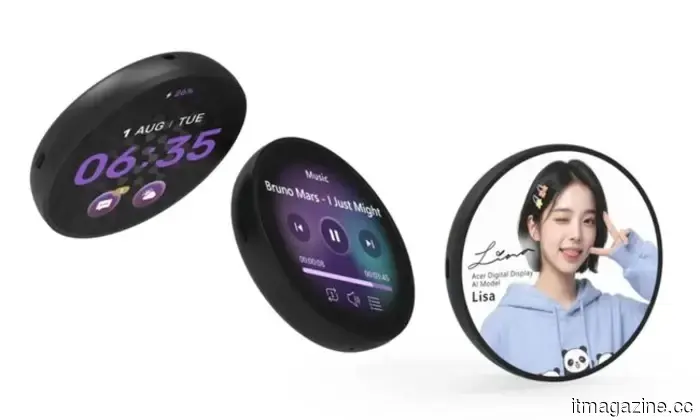
Acer’s Aspire Badge is a wearable display that also serves as an emergency device.
Wearables generally fall into two categories: those that monitor health and those that inundate users with notifications. Acer's new Aspire Badge is attempting a different approach. Rather than tracking steps or mirroring a phone, it acts as a small digital billboard that can be worn — featuring several practical safety features.
Introduced as part of Acer’s latest product lineup, the Aspire Badge targets students, children, and young creators looking for a fresh means of self-expression. It represents a contemporary evolution of the pins, badges, and stickers people have used for years to showcase their personalities.


Other articles
 Hackers used brute force to compromise Dashlane's two-factor authentication and downloaded encrypted vaults.
Attackers circumvented Dashlane's 2FA on less than 20 accounts by brute-forcing numeric codes and retrieving encrypted password vaults. Zero-knowledge encryption safeguards data, provided that the master passwords are robust.
Perplexity divides AI processing between personal computers and the cloud to reduce expenses.
Perplexity AI has developed a real-time routing system that divides AI tasks between personal computers and cloud servers, which was unveiled at Computex in collaboration with Intel, as revenue reaches $500 million.
Hackers used brute force to compromise Dashlane's two-factor authentication and downloaded encrypted vaults.
Attackers circumvented Dashlane's 2FA on less than 20 accounts by brute-forcing numeric codes and retrieving encrypted password vaults. Zero-knowledge encryption safeguards data, provided that the master passwords are robust.
Perplexity divides AI processing between personal computers and the cloud to reduce expenses.
Perplexity AI has developed a real-time routing system that divides AI tasks between personal computers and cloud servers, which was unveiled at Computex in collaboration with Intel, as revenue reaches $500 million.
 RogueDB presents a streamlined database platform aimed at minimizing infrastructure tasks for startups and IT teams.
RogueDB provides a fully managed, API-centric database that eliminates the need for configuration and tuning, allowing startup engineering teams to focus on product development rather than infrastructure maintenance.
RogueDB presents a streamlined database platform aimed at minimizing infrastructure tasks for startups and IT teams.
RogueDB provides a fully managed, API-centric database that eliminates the need for configuration and tuning, allowing startup engineering teams to focus on product development rather than infrastructure maintenance.
 Poland implements
The Polish Prime Minister, Tusk, has declared a sovereignty assessment for state technology purchases and will issue yearly reports on IT independence, cautioning that reliance on foreign AI poses risks to both security and the economy.
Poland implements
The Polish Prime Minister, Tusk, has declared a sovereignty assessment for state technology purchases and will issue yearly reports on IT independence, cautioning that reliance on foreign AI poses risks to both security and the economy.
 RogueDB presents an easy-to-use database platform aimed at minimizing infrastructure tasks for startups and IT teams.
RogueDB provides a completely managed, API-based database that eliminates the need for configuration and tuning, allowing startup engineering teams to focus more on product development rather than infrastructure maintenance.
RogueDB presents an easy-to-use database platform aimed at minimizing infrastructure tasks for startups and IT teams.
RogueDB provides a completely managed, API-based database that eliminates the need for configuration and tuning, allowing startup engineering teams to focus more on product development rather than infrastructure maintenance.
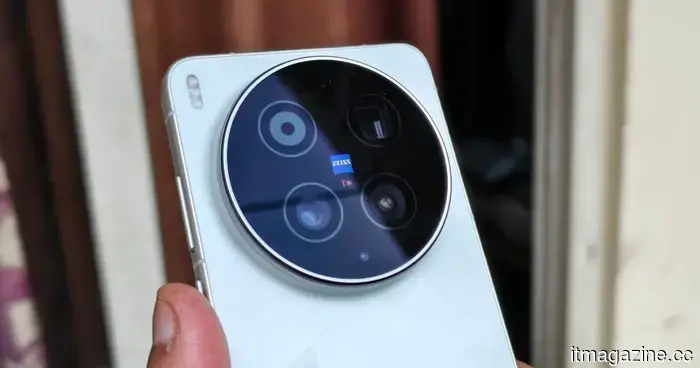 The Vivo X300 Ultra is putting other camera phones to shame, and here's the reason.
The Vivo X300 Ultra integrates external lenses, accessories aimed at creators, and top-tier camera hardware to enhance smartphone photography towards a more professional camera experience.
The Vivo X300 Ultra is putting other camera phones to shame, and here's the reason.
The Vivo X300 Ultra integrates external lenses, accessories aimed at creators, and top-tier camera hardware to enhance smartphone photography towards a more professional camera experience.
The upcoming Apple Watch may feature an enhanced OLED display along with improved battery life.
Apple is said to be assessing a new OLED display technology named HMO, which offers improved battery performance and reduced production expenses.