

The Asus Pad appears to be a bold imitation of the iPad, yet it seems to offer a sturdy OLED Android tablet experience.
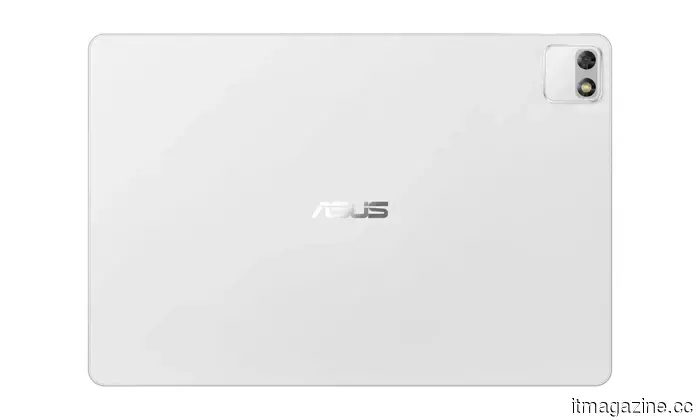
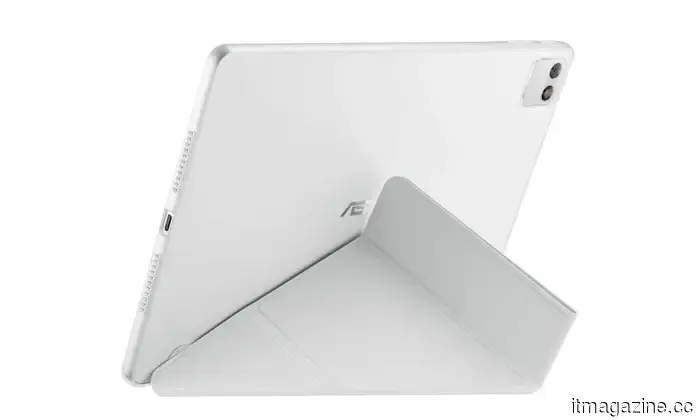
ASUS has officially introduced the new Asus Pad, and the influence is quite apparent. With its flat metal body, symmetrical bezels, magnetic keyboard accessories, and stylus support, the tablet strongly resembles Apple’s iPad series. However, beneath this familiar aesthetic lies what could potentially be one of the more intriguing Android tablets released this year.
The Asus Pad comes at a time when Android tablet manufacturers are making significant efforts to bridge the gap with Apple in the realm of premium productivity-focused devices. While many Android tablets continue to face challenges with app optimization and overall ecosystem quality, companies are increasingly recognizing that consumers value display quality, battery life, and hardware design just as much as software exclusives.
On paper, the Asus Pad meets numerous essential criteria.
An OLED Android tablet designed for entertainment and productivity
The standout feature of the Asus Pad is its OLED screen. ASUS has outfitted the tablet with a high-refresh-rate OLED display aimed at competing with premium devices that prioritize media consumption, creative tasks, and productivity.
The company claims that the tablet supports HDR content, offers wide color gamut coverage, and provides enhanced contrast performance that typically comes with OLED technology. Paired with quad-speaker audio and slim bezels, ASUS is clearly positioning this device as both an entertainment hub and a lightweight work partner.
Internally, the Asus Pad is powered by Qualcomm Snapdragon hardware along with AI-driven software features integrated throughout the operating system. ASUS is also placing significant emphasis on stylus capabilities, multitasking support, and keyboard accessories intended to allow the device to function more like a laptop alternative.
The overall design appears to be intentionally premium. Its aluminum build, flat edges, rounded corners, and accessory ecosystem naturally evoke comparisons to Apple’s iPad Air and iPad Pro series. Even the straightforward naming – simply “Asus Pad” – feels unusually direct.
Nevertheless, there are substantial differences. ASUS seems to prioritize flexibility and open Android workflows rather than confining users to a tightly regulated ecosystem. The tablet also accommodates broader file management and sideloading features preferred by some users compared to Apple’s more restrictive policies.
Why this tablet is significant
Android tablets have long faced an identity crisis. Many models target budget-conscious consumers or try to replicate iPads without providing enough refinement to genuinely compete. However, the Asus Pad feels more purpose-driven. Instead of attempting to radically redefine the category, ASUS seems focused on offering premium hardware at a likely more competitive price compared to Apple’s OLED iPads.
This is important because OLED tablets remain relatively uncommon outside the ultra-premium market. If ASUS sets an aggressive price point, it could attract users seeking high-quality display capabilities for streaming, gaming, creative tasks, and multitasking without stepping into iPad Pro price ranges.
Of course, software optimization remains a significant hurdle. Apple’s lead in tablet applications, ecosystem integration, and long-term software support is still challenging to rival.
However, the wider tablet market is evolving rapidly. Android manufacturers are increasingly aware that consumers no longer only seek inexpensive tablets; they desire premium tablets that run on Android.
And despite the clear iPad-like qualities, the Asus Pad may very well provide exactly that.
Other articles
 Hackers forcefully bypassed Dashlane's two-factor authentication and accessed encrypted vaults.
Attackers managed to circumvent Dashlane's two-factor authentication on fewer than 20 accounts by brute-forcing numeric codes and downloading encrypted password vaults. Data is safeguarded by zero-knowledge encryption, provided that the master passwords are robust.
Hackers forcefully bypassed Dashlane's two-factor authentication and accessed encrypted vaults.
Attackers managed to circumvent Dashlane's two-factor authentication on fewer than 20 accounts by brute-forcing numeric codes and downloading encrypted password vaults. Data is safeguarded by zero-knowledge encryption, provided that the master passwords are robust.
 Poland implements
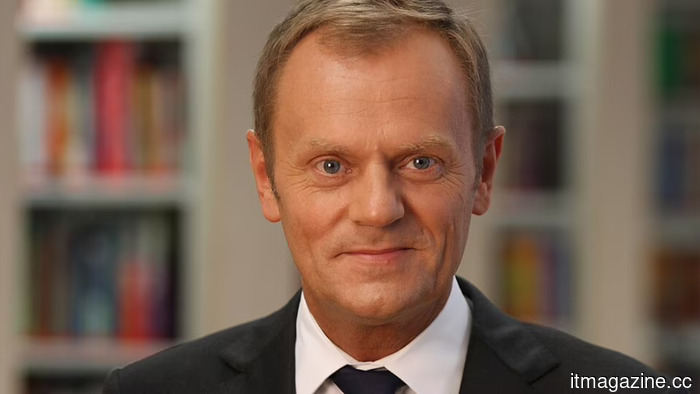
The Polish Prime Minister, Tusk, has declared a sovereignty assessment for state technology purchases and will issue yearly reports on IT independence, cautioning that reliance on foreign AI poses risks to both security and the economy.
Poland implements
The Polish Prime Minister, Tusk, has declared a sovereignty assessment for state technology purchases and will issue yearly reports on IT independence, cautioning that reliance on foreign AI poses risks to both security and the economy.
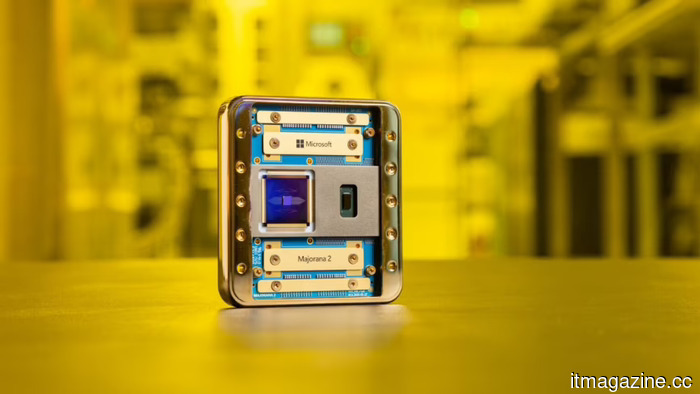 Microsoft's Majorana 2 quantum chip boasts a reliability improvement of 1,000 times and aims for a 2029 launch.
Microsoft's Majorana 2 qubits have a duration of 20 seconds, compared to microseconds for competitors, and are developed using agentic AI. The company aims to achieve a scalable quantum computer by 2029.
Microsoft's Majorana 2 quantum chip boasts a reliability improvement of 1,000 times and aims for a 2029 launch.
Microsoft's Majorana 2 qubits have a duration of 20 seconds, compared to microseconds for competitors, and are developed using agentic AI. The company aims to achieve a scalable quantum computer by 2029.
 Microsoft reveals Project Solara: an operating system designed for agent-first devices.
Microsoft's Project Solara is an innovative platform for devices that operate using AI agents in place of traditional apps. Two concept designs, one resembling a badge and the other a desk device, are currently being tested with Best Buy, CVS, Levi's, and Target.
Microsoft reveals Project Solara: an operating system designed for agent-first devices.
Microsoft's Project Solara is an innovative platform for devices that operate using AI agents in place of traditional apps. Two concept designs, one resembling a badge and the other a desk device, are currently being tested with Best Buy, CVS, Levi's, and Target.
 Focused Energy secures $240 million to commercialize NIF laser fusion technology.
German fusion startup Focused Energy has secured $240 million in Series A funding, led by utility company RWE, to develop a laser-powered reactor inspired by the net energy gain breakthrough achieved by the NIF.
Focused Energy secures $240 million to commercialize NIF laser fusion technology.
German fusion startup Focused Energy has secured $240 million in Series A funding, led by utility company RWE, to develop a laser-powered reactor inspired by the net energy gain breakthrough achieved by the NIF.
 The EU's plan for an AI gigafactory faces setbacks as delays cause partners to feel disconnected.
The EU's 20 billion euro initiative for five AI data centers is experiencing delays and funding shortages, resulting in bidding being postponed until July. The number of interested companies has decreased from 70 to 10, and consortia are reevaluating their positions.
The EU's plan for an AI gigafactory faces setbacks as delays cause partners to feel disconnected.
The EU's 20 billion euro initiative for five AI data centers is experiencing delays and funding shortages, resulting in bidding being postponed until July. The number of interested companies has decreased from 70 to 10, and consortia are reevaluating their positions.
The Asus Pad appears to be a bold imitation of the iPad, yet it seems to offer a sturdy OLED Android tablet experience.
Computex 2026 This article is part of our reporting on Computex, the largest computing conference in the world. Updated less than 5 hours ago ASUS has officially introduced the new Asus Pad, and it's clear where the inspiration comes from. With its flat metal body, uniform bezels, and features like magnetic keyboard attachments and stylus compatibility, the […]