
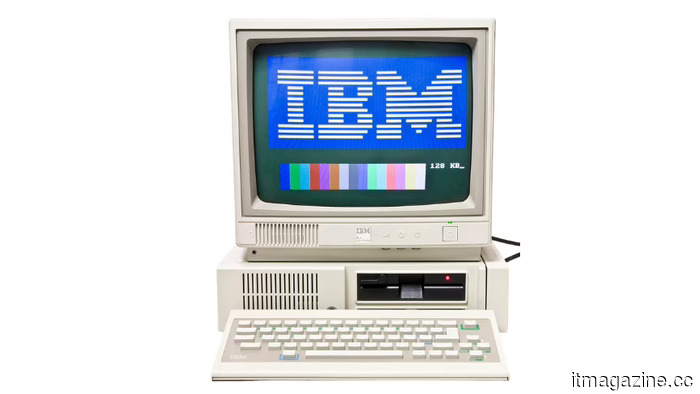
IBM experiences a 30% increase as Barclays labels its software as the remedy for the SaaSpocalypse.
IBM stock jumped 10% after Barclays began coverage with an overweight rating and a price target of $350, suggesting that IBM’s infrastructure software is the resilient segment of enterprise software that remains unaffected by AI disruption. This increase follows a nearly 30% rally in May, fueled by a $10 billion investment in quantum computing and funding from the Trump administration.
On Monday, IBM shares rose 10% after Barclays assigned an overweight rating and set a $350 target, about 11% higher than the initial price. This rise continues a trend where IBM's stock has increased nearly 30% in May, marking its best monthly gain in almost 24 years. Year to date, the stock is up 10%, recovering from earlier losses caused by the SaaSpocalypse that impacted software stocks.
Barclays’ bullish outlook is not primarily centered on quantum computing, even though it plays a significant role. The main argument focuses on IBM’s infrastructure software suite, which caters to large, heavily regulated businesses and accounts for most of the company’s profits. In a landscape where AI and vibe coding threaten horizontally focused SaaS companies, Barclays believes that IBM's deeply integrated infrastructure software is the category least likely to face disruptions.
The analysts noted, “Despite the current negative perception of software among investors, IBM is providing infrastructure software (the advantageous part) to substantial, often highly regulated clients, resulting in a sticky setup that is not expected to be adversely affected by AI.” They forecast mid-single-digit organic revenue growth and ongoing margin increases, characterizing IBM as “a stable earnings compounder with a Quantum option.”
This distinction is crucial. The SaaSpocalypse negatively impacted software stocks broadly, but the most vulnerable firms are those offering general tools such as project management, CRM, and form builders, which AI can easily replicate. In contrast, IBM’s software business—encompassing middleware, database management, and enterprise integration platforms—operates at the infrastructure level where transition costs are significant and regulatory compliance creates natural barriers.
In their most optimistic scenario, Barclays set a price target of $449, representing a 51% upside from the last closing price.
Barclays characterized IBM’s quantum computing efforts as an additional potential upside rather than the core investment rationale. The analysts noted, “Quantum computing could emerge as the next significant computing paradigm, following CPUs and GPUs,” comparing IBM's quantum positioning to Nvidia’s strength in GPUs. The highly oversubscribed IPO of Quantinuum last week highlighted the strong investor interest in quantum technologies.
According to a recent regulatory filing, IBM is committed to investing $10 billion in quantum computing over the next five years. Central to this initiative is Anderon, a dedicated quantum chip foundry based in Albany, New York, funded by $1 billion from the U.S. Department of Commerce through the CHIPS Act, along with a matching contribution from IBM. Anderon will host the first 300-millimeter quantum wafer fabrication facility explicitly designed in the U.S.
The $2 billion quantum portfolio from the Commerce Department, announced on May 21 and distributed among nine companies, marks the largest single quantum R&D commitment in U.S. history, with IBM receiving the most substantial share. Other smaller firms like D-Wave Quantum, Rigetti Computing, and their European counterparts are also developing various quantum architectures with government support.
Adding a political angle to the rally, a video of President Trump from a December 2025 roundtable resurfaced on social media platforms like X and Reddit. In the video, Trump referred to IBM CEO Arvind Krishna as “a legend” and praised the stock's performance, stating, “He’s taken the stock from a rather low price to a very nice price. I won’t say high because I’m sure you’re going to say it’s going to go up a lot more, right?” Social media characterized this clip as Trump endorsing IBM stock. Filings from the Office of Government Ethics indicate that Trump’s personal investment account has acquired IBM shares recently. This interplay of presidential mention, visible support from the government via the quantum funding initiative, and Barclays’ initiation has created a feedback loop of momentum attracting both institutional and retail investors.
Overall, IBM’s recent stock performance aligns with a broader trend of legacy tech companies finding renewed significance in the AI era. Dell experienced a 32% surge last week due to rising demand for AI servers, while Cisco, once seen as a cautionary tale from the dot-com era, has rebounded on demand for enterprise networking resulting from AI infrastructure expansion. IBM’s narrative combines two threads: a software sector resilient to AI disruption and a quantum computing initiative that may become transformative if the technology develops as anticipated.
Whether the quantum element alone justifies the current stock surge is debatable. While IBM's quantum program is genuine and well-financed, commercial quantum computing is still several years away from generating substantial revenue. Barclays clarifies that the investment thesis is based on the current software business, with quantum potential viewed as a future opportunity
Other articles
 The Asus ROG Ally X receives a unique redesign featuring an OLED screen and elegant gold accents that appear refined rather than flashy.
The anniversary edition introduces OLED to the Ally series for the first time, featuring a 7.4-inch 120Hz 1,400-nit display, AMD Ryzen AI Z2 Extreme, and TMR joysticks.
The Asus ROG Ally X receives a unique redesign featuring an OLED screen and elegant gold accents that appear refined rather than flashy.
The anniversary edition introduces OLED to the Ally series for the first time, featuring a 7.4-inch 120Hz 1,400-nit display, AMD Ryzen AI Z2 Extreme, and TMR joysticks.
 GoPro has cautioned that it might not endure. The AI memory shortage is harming companies that produce tangible products.
Memory prices increased by 80-115%. Revenue dropped by 26%. GoPro expressed "substantial doubt" regarding its ability to continue operations. The company is considering a sale or a shift toward defense.
GoPro has cautioned that it might not endure. The AI memory shortage is harming companies that produce tangible products.
Memory prices increased by 80-115%. Revenue dropped by 26%. GoPro expressed "substantial doubt" regarding its ability to continue operations. The company is considering a sale or a shift toward defense.
 Apple prepares a receipt-scanning bill splitter for iOS 27.
Apple is set to introduce a bill-splitting feature in iOS 27 that takes photos of receipts, allocates items to friends, and creates requests for Apple Cash, marking a challenge to Splitwise and Venmo.
Apple prepares a receipt-scanning bill splitter for iOS 27.
Apple is set to introduce a bill-splitting feature in iOS 27 that takes photos of receipts, allocates items to friends, and creates requests for Apple Cash, marking a challenge to Splitwise and Venmo.
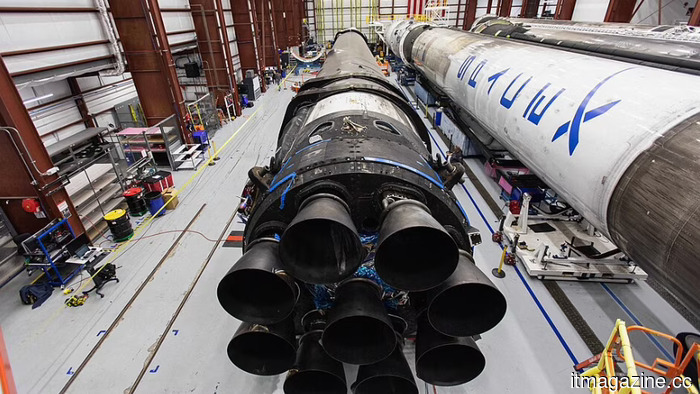 The surge in space stocks falters as the SpaceX IPO approaches and Blue Origin faces setbacks.
Rocket Lab, Intuitive Machines, and AST SpaceMobile have seen a decline of 17-23% over the course of two days as investors look to replace space proxies with SpaceX following its upcoming record IPO.
The surge in space stocks falters as the SpaceX IPO approaches and Blue Origin faces setbacks.
Rocket Lab, Intuitive Machines, and AST SpaceMobile have seen a decline of 17-23% over the course of two days as investors look to replace space proxies with SpaceX following its upcoming record IPO.
 GoPro cautioned that it might not endure. The AI memory crisis is threatening the survival of companies that produce tangible products.
Memory prices increased by 80-115%. Revenue decreased by 26%. GoPro expressed "substantial doubt" regarding its ability to persist. The company is considering a sale or a shift towards the defense sector.
GoPro cautioned that it might not endure. The AI memory crisis is threatening the survival of companies that produce tangible products.
Memory prices increased by 80-115%. Revenue decreased by 26%. GoPro expressed "substantial doubt" regarding its ability to persist. The company is considering a sale or a shift towards the defense sector.
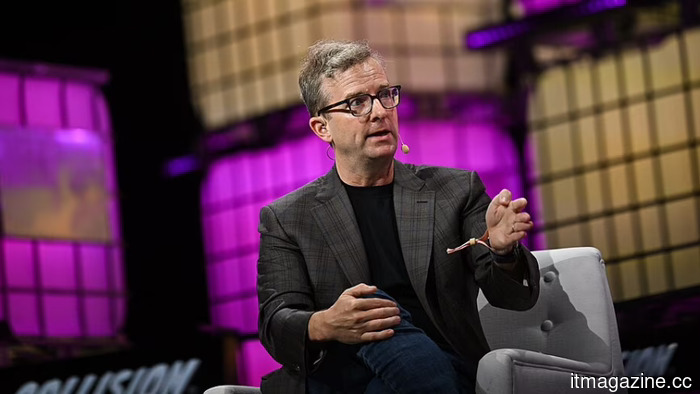 Former Meta CTO establishes a $250 million climate fund due to rising energy demands from AI.
Gigascale Capital, led by Mike Schroepfer, has secured $250 million to invest in energy and climate startups, believing that the growing energy needs of AI will position clean technology as the true beneficiaries of the AI surge.
Former Meta CTO establishes a $250 million climate fund due to rising energy demands from AI.
Gigascale Capital, led by Mike Schroepfer, has secured $250 million to invest in energy and climate startups, believing that the growing energy needs of AI will position clean technology as the true beneficiaries of the AI surge.
IBM experiences a 30% increase as Barclays labels its software as the remedy for the SaaSpocalypse.
Barclays began coverage on IBM with an overweight rating and a target price of $350, stating that its infrastructure software is resilient against AI disruption. The stock rose 30% in May due to commitments in quantum technology.