
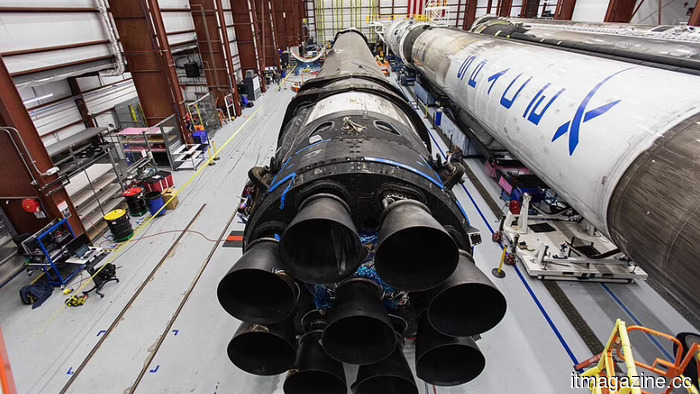
The surge in space stocks falters as the SpaceX IPO approaches and Blue Origin experiences an explosion.
**TL;DR** Space stocks are experiencing a significant selloff as the SpaceX IPO nears and a Blue Origin rocket explosion undermines investor confidence. The Procure Space ETF declined by 11% over two sessions, with Rocket Lab, Intuitive Machines, and AST SpaceMobile falling between 17-23%.
A rally that saw space-related stocks achieve remarkable gains this year is beginning to show signs of weakness. The Procure Space ETF, trading under the ticker UFO, fell nearly 11% in just two sessions. Intuitive Machines and Rocket Lab have both dropped around 17%, while AST SpaceMobile, once a favorite among retail traders, has plunged nearly 23%. This selloff adds to losses that started late last week and gathered momentum on Monday.
Two main events contributed to this downturn. On Thursday, Blue Origin's reusable New Glenn rocket experienced an explosion during a standard hot-fire test at Cape Canaveral, a dramatic failure that damaged the launchpad and reminded investors of the inherent dangers and unpredictability in the space industry. On Friday, SpaceX revised its IPO valuation target downward to $1.8 trillion from a minimum of $2 trillion, indicating that even the leading player in the sector recognizes that market expectations may be overly optimistic.
**The unwind of proxy trades**
The surge of space stocks in recent months was largely fueled by the anticipation surrounding SpaceX's unprecedented IPO. With SpaceX being private, investors seeking exposure to the space economy turned to publicly traded alternatives: Rocket Lab for launch services, Intuitive Machines for lunar operations, AST SpaceMobile for satellite communications, and Redwire for space infrastructure. As the IPO filing for SpaceX shifted from speculation to reality, these proxy stocks rose under the assumption that an increase in demand would benefit all space ventures.
Despite the recent downturn, the Procure Space ETF remains up nearly 60% year-to-date. Rocket Lab had gained 413% over the past year before the selloff. However, Bloomberg Intelligence analyst George Ferguson pointed out a structural issue: once SpaceX becomes publicly available, investors may prefer it over the proxy stocks.
"The market may be concerned that investors wanting space exposure will abandon the currently listed names for SpaceX, given its superior track record in launches," Ferguson stated. "At similar valuations, SpaceX would likely be the more attractive investment."
**Valuations disconnected from fundamentals**
On Monday, Jefferies analyst Greg Konrad highlighted the disparity by downgrading Redwire from buy to hold, stating that recent price increases “do not correspond with financial fundamentals” but rather reflect “multiple expansion driven by excitement over the SpaceX IPO that has positively spotlighted the space sector.” Redwire's stock had nearly tripled in the preceding month, reaching a record high before falling 16% on Monday. SpaceX’s S-1 filing illustrated a financial scale that makes it hard to maintain comparisons with smaller space enterprises.
AST SpaceMobile is trading at approximately 260 times its estimated sales for 2026. Meanwhile, Rocket Lab, despite advancements with its Electron and Neutron rockets, has a valuation built more on optimism regarding future contracts than current revenue. The space sector is echoing a pattern seen during the AI boom: a narrative-driven surge that incorporates years of anticipated growth prior to actual revenue realization.
**The impact of the Blue Origin event**
The explosion of the New Glenn rocket added an alarming element to the correction. During a hot-fire test of its seven BE-4 first-stage engines, the rocket exploded, scattering debris over the Cape Canaveral launchpad and severely damaging the infrastructure. Although SpaceX has also faced launch failures, the Blue Origin incident served as a stark reminder to new public market investors that rockets involve hardware, not software. Hardware failures can result in the immediate destruction of costly assets and can delay development schedules by months or years.
"This suggests that valuations may be inflated," Ferguson commented. The Blue Origin explosion served as “a reminder of the challenges this industry faces.”
**Virgin Galactic's exception**
Not every space stock faced losses. Virgin Galactic rose as much as 44% on Monday before settling to a gain of just 1.1%, showcasing the speculative and momentum-driven nature of the sector rather than any fundamental change in the company’s operations. SpaceX’s revised valuation might have led to short-covering in some stocks while intensifying selling in others.
The key question for the space sector is whether the SpaceX IPO, anticipated to price in early June with marketing starting on June 4, will attract capital to the sector or divert it from all other companies aside from SpaceX. If institutional investors choose to consolidate their space investments into the one company with a proven operational model, steady launch frequency, and Starlink revenue, the proxy stocks that benefited from the previous rally could face ongoing pressure, even as the broader sector continues to grow.
Other articles
 The Asus ROG Ally X receives a unique redesign featuring an OLED display and elegant gold accents that are not overly flashy.
The anniversary edition introduces OLED to the Ally series for the first time, featuring a 7.4-inch 120Hz 1,400-nit display, AMD Ryzen AI Z2 Extreme, and TMR joysticks.
The Asus ROG Ally X receives a unique redesign featuring an OLED display and elegant gold accents that are not overly flashy.
The anniversary edition introduces OLED to the Ally series for the first time, featuring a 7.4-inch 120Hz 1,400-nit display, AMD Ryzen AI Z2 Extreme, and TMR joysticks.
 Former Meta CTO establishes a $250 million climate fund amid growing energy demands from AI.
Gigascale Capital, led by Mike Schroepfer, has raised $250 million to invest in energy and climate startups, believing that the growing energy needs of AI will position clean technology as the true beneficiaries of the AI surge.
Former Meta CTO establishes a $250 million climate fund amid growing energy demands from AI.
Gigascale Capital, led by Mike Schroepfer, has raised $250 million to invest in energy and climate startups, believing that the growing energy needs of AI will position clean technology as the true beneficiaries of the AI surge.
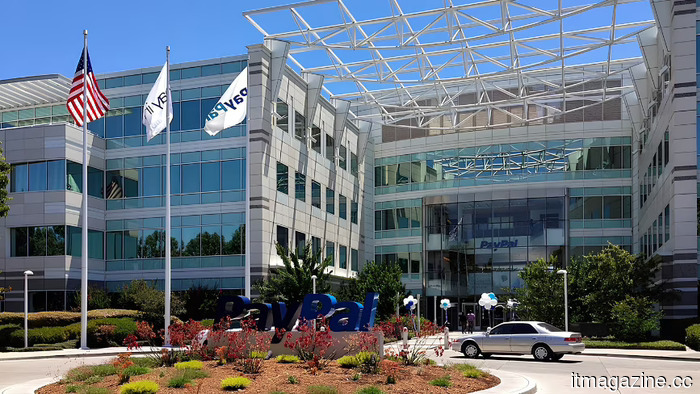 Tencent allows PayPal users to make payments using WeChat QR codes in China.
PayPal users can now scan WeChat Pay QR codes while shopping at merchants throughout China, eliminating the main barrier for foreign tourists in a country where cash is no longer prevalent.
Tencent allows PayPal users to make payments using WeChat QR codes in China.
PayPal users can now scan WeChat Pay QR codes while shopping at merchants throughout China, eliminating the main barrier for foreign tourists in a country where cash is no longer prevalent.
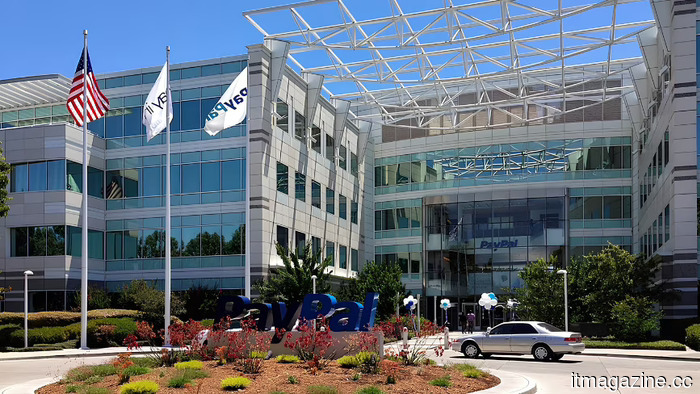 Tencent allows PayPal users to make payments using WeChat QR codes in China.
PayPal users can now scan WeChat Pay QR codes throughout China's merchant network, eliminating the main obstacle for foreign tourists in a nation where cash has disappeared.
Tencent allows PayPal users to make payments using WeChat QR codes in China.
PayPal users can now scan WeChat Pay QR codes throughout China's merchant network, eliminating the main obstacle for foreign tourists in a nation where cash has disappeared.
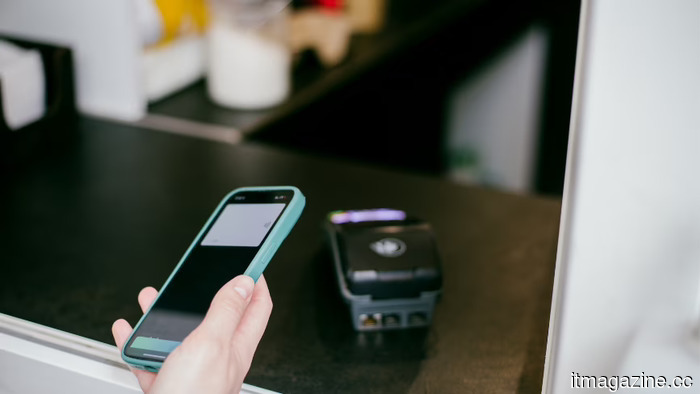 Apple prepares receipt-scanning bill splitter for iOS 27.
Apple is set to introduce a bill-splitting feature in iOS 27 that captures photos of receipts, allocates items to friends, and creates Apple Cash requests, posing a challenge to Splitwise and Venmo.
Apple prepares receipt-scanning bill splitter for iOS 27.
Apple is set to introduce a bill-splitting feature in iOS 27 that captures photos of receipts, allocates items to friends, and creates Apple Cash requests, posing a challenge to Splitwise and Venmo.
 GoPro cautioned that it might not endure. The AI memory crisis is threatening the survival of companies that produce tangible products.
Memory prices increased by 80-115%. Revenue decreased by 26%. GoPro expressed "substantial doubt" regarding its ability to persist. The company is considering a sale or a shift towards the defense sector.
GoPro cautioned that it might not endure. The AI memory crisis is threatening the survival of companies that produce tangible products.
Memory prices increased by 80-115%. Revenue decreased by 26%. GoPro expressed "substantial doubt" regarding its ability to persist. The company is considering a sale or a shift towards the defense sector.
The surge in space stocks falters as the SpaceX IPO approaches and Blue Origin experiences an explosion.
Rocket Lab, Intuitive Machines, and AST SpaceMobile have seen a decline of 17-23% over the course of two days as investors get ready to exchange their space proxies for SpaceX once the historic IPO becomes available.