
Asana purchases Stack AI for $75 million to develop an AI agent platform.
TL;DR Asana has purchased Stack AI, a no-code AI agent builder, for an estimated $75 million, enhancing its AI platform with cross-system workflow capabilities. This acquisition was revealed alongside a positive Q1 earnings report, showing a 9.5% revenue increase to $205.1 million, although the stock is currently 53% lower than its value in January.
Asana has taken over Stack AI, a platform that allows the development of AI agents for use across various enterprise systems such as Salesforce, Slack, and Google Workspace. The acquisition, reported to cost $75 million, was announced after the market closed on May 28, coinciding with Asana’s first-quarter earnings call. Co-founders Tony Rosinol and Bernard Aceituno of Stack AI will join Asana, though the exact financial terms were not officially shared.
Stack AI was part of Y Combinator’s Winter 2023 cohort and had raised nearly $20 million in funding, which included a $16 million Series A supported by Gradient, Epaklon Capital, Lobby VC, LifeX Ventures, and Vercel CEO Guillermo Rauch. The platform enables businesses to create, test, launch, and manage custom AI agents that automate essential workflows without the need for coding.
Benefits for Asana
The acquisition brings a cross-system execution layer that Asana previously lacked. While Asana’s existing AI offerings, including AI Studio and AI Teammates, are limited to its own work management environment, Stack AI’s agents can interface with ERP, CRM, and IT service management systems to automate tasks related to customer support, compliance workflows, and interdepartmental operations.
CEO Dan Rogers characterized the acquisition as a move towards establishing Asana as the "operating system for human-agent teams," a concept the company has emphasized since unveiling AI Teammates as a commercially available product in April 2026. Priced at $15 per user monthly, AI Teammates offers pre-built agents for roles in marketing, IT, and operations.
Financial performance supporting the deal
Asana reported Q1 revenues of $205.1 million, a 9.5% year-on-year growth that surpassed expectations. Earnings per share reached $0.10, compared to a consensus of $0.07, and the company achieved record GAAP and non-GAAP operating margins. Asana increased its full-year revenue forecast to between $855 million and $863.5 million, up from a previous estimate of $850 million to $858 million.
These positive results led to a 3.3% rise in after-hours stock trading, bringing the price to $6.88. However, the overall trend has been challenging, with the SaaSpocalypse—a market-wide reevaluation of software companies—impacting Asana significantly. The stock has dropped over 53% in value since January, reducing its market capitalization to approximately $1.5 billion, down from nearly $20 billion in 2021.
A company undergoing transformation
This acquisition occurs during a significant transition period for Asana. Co-founder Dustin Moskovitz announced in March 2025 his intention to step down as CEO, with Dan Rogers, formerly of LaunchDarkly and ServiceNow, assuming the role in July 2025. Moskovitz transitioned to the Chairman position, where he focuses on product vision and AI strategy.
Rogers has committed strongly to AI initiatives, arguing that Asana’s Work Graph—a data model that describes projects, tasks, ownership, and dependencies—provides the necessary context and governance for AI agents to function effectively. Stack AI contributes execution capabilities, enabling these agents to implement workflows beyond Asana’s platform.
Competitive landscape
Asana is not alone in its pursuit of AI agent technology within the work management sector. Zendesk made its largest acquisition in twenty years by purchasing Forethought, anticipating that 2026 will see AI agents handling more customer service tasks than human agents. Google introduced a set of enterprise AI agent tools at Cloud Next 2026, while Salesforce has integrated Agentforce into its primary product strategy. Both Monday.com and Notion have also released their own agent features.
Stack AI faced strong competition from automation platforms like Zapier and AI developers such as OpenAI and Anthropic, which have created their own agent-building applications. As the no-code agent-builder market has quickly become saturated, Stack AI’s choice to sell instead of seeking additional funding suggests it faced increasing challenges as a standalone entity.
For Asana, the critical question remains whether the $75 million investment translates into sufficient technology to alter the company’s trajectory. The software industry is pivoting towards AI agents, and competitors are reducing staff to finance similar transitions, while Asana's stock—having dropped significantly in recent months—requires more than just a shift in narrative. It needs functional agents, willing customers, and rapid revenue growth to justify this acquisition.
Other articles
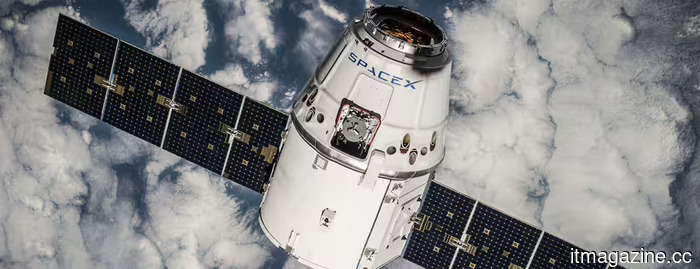 SpaceX has adjusted its IPO target to $1.8 trillion, with marketing set to begin on June 4th.
SpaceX has reduced its IPO valuation target from over $2 trillion to at least $1.8 trillion. Marketing will kick off on June 4, with pricing potentially occurring as soon as June 11. The expected revenue for 2025 is $18.7 billion, with a projected loss of $4.94 billion.
SpaceX has adjusted its IPO target to $1.8 trillion, with marketing set to begin on June 4th.
SpaceX has reduced its IPO valuation target from over $2 trillion to at least $1.8 trillion. Marketing will kick off on June 4, with pricing potentially occurring as soon as June 11. The expected revenue for 2025 is $18.7 billion, with a projected loss of $4.94 billion.
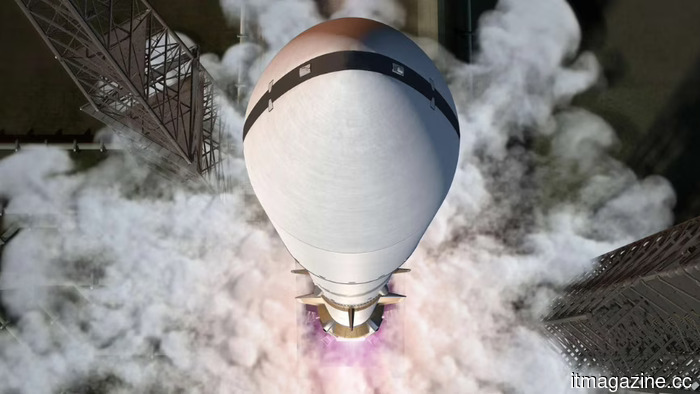 Blue Origin's New Glenn rocket detonates on launch pad in Florida.
Blue Origin's New Glenn detonated during a static fire test at Cape Canaveral, resulting in the destruction of its sole launch pad. This incident jeopardizes Amazon's satellite timeline and the NASA Moon Base contract.
Blue Origin's New Glenn rocket detonates on launch pad in Florida.
Blue Origin's New Glenn detonated during a static fire test at Cape Canaveral, resulting in the destruction of its sole launch pad. This incident jeopardizes Amazon's satellite timeline and the NASA Moon Base contract.
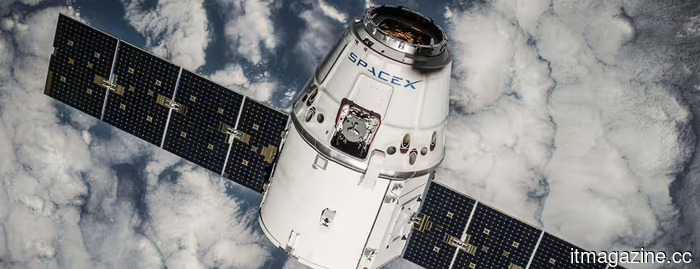 SpaceX reduces IPO target to $1.8 trillion, with marketing set to begin on June 4.
SpaceX has reduced its IPO valuation target from over $2 trillion to a minimum of $1.8 trillion. Marketing will start on June 4, with pricing potentially as soon as June 11. The company anticipates revenue of $18.7 billion in 2025, with a projected loss of $4.94 billion.
SpaceX reduces IPO target to $1.8 trillion, with marketing set to begin on June 4.
SpaceX has reduced its IPO valuation target from over $2 trillion to a minimum of $1.8 trillion. Marketing will start on June 4, with pricing potentially as soon as June 11. The company anticipates revenue of $18.7 billion in 2025, with a projected loss of $4.94 billion.
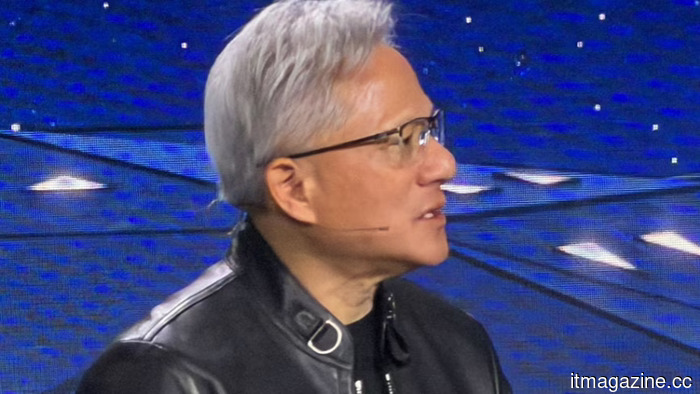 Nvidia invests $6.5 billion in photonics to overcome AI's copper limitations.
Nvidia has allocated over $6.5 billion to photonics since March, focusing on Coherent, Lumentum, Marvell, Corning, and Ayar Labs to substitute copper with light in AI data centers.
Nvidia invests $6.5 billion in photonics to overcome AI's copper limitations.
Nvidia has allocated over $6.5 billion to photonics since March, focusing on Coherent, Lumentum, Marvell, Corning, and Ayar Labs to substitute copper with light in AI data centers.
 Asana has purchased Stack AI for $75 million to develop an AI agent platform.
Asana has acquired Stack AI, which is supported by Y Combinator, for an estimated $75 million, integrating no-code AI agents into its platform. In the first quarter, revenue reached $205 million, while its stock is trading 53% lower than in January.
Asana has purchased Stack AI for $75 million to develop an AI agent platform.
Asana has acquired Stack AI, which is supported by Y Combinator, for an estimated $75 million, integrating no-code AI agents into its platform. In the first quarter, revenue reached $205 million, while its stock is trading 53% lower than in January.
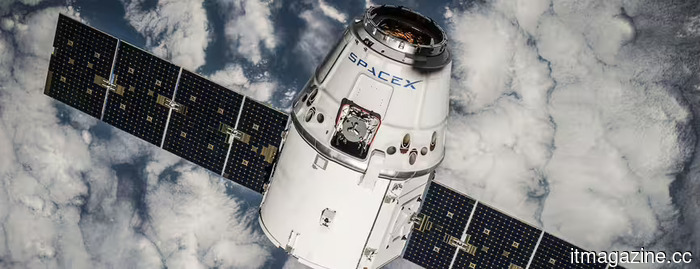 SpaceX reduces IPO target to $1.8 trillion, with marketing commencing on June 4.
SpaceX has reduced its IPO valuation target from over $2 trillion to a minimum of $1.8 trillion. Marketing will start on June 4, with pricing potentially taking place as soon as June 11. The company expects to generate $18.7 billion in revenue by 2025, with a projected loss of $4.94 billion.
SpaceX reduces IPO target to $1.8 trillion, with marketing commencing on June 4.
SpaceX has reduced its IPO valuation target from over $2 trillion to a minimum of $1.8 trillion. Marketing will start on June 4, with pricing potentially taking place as soon as June 11. The company expects to generate $18.7 billion in revenue by 2025, with a projected loss of $4.94 billion.
Asana purchases Stack AI for $75 million to develop an AI agent platform.
Asana acquires Stack AI, which is backed by Y Combinator, for an estimated $75 million, incorporating no-code AI agents into its platform. Revenue for Q1 reaches $205 million while stock is trading 53% lower than in January.