
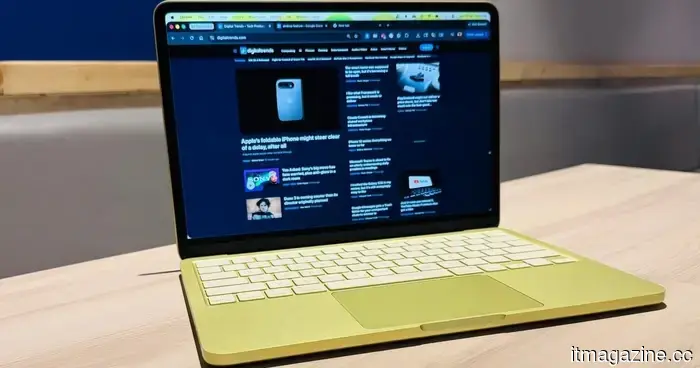
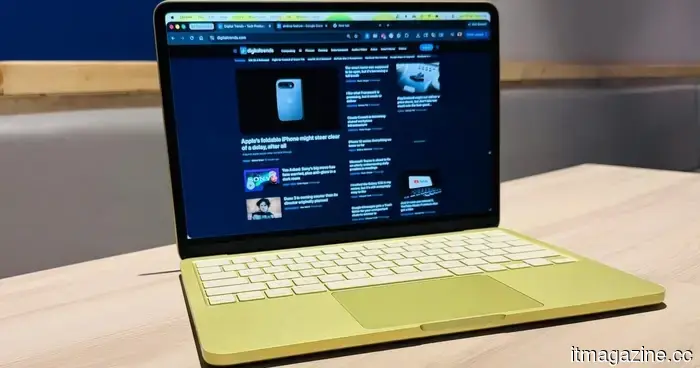
In a market where Mac has been seen as aspirational, it now seems to offer a better value than Windows machines.
For a long time, choosing a laptop was pretty straightforward. Windows offered a broad range of options including budget-friendly, mid-range, high-end, and gaming laptops, while MacBooks were regarded as the go-to premium choice.
However, due to the pricing turmoil resulting from memory shortages and rising component costs, this situation has changed dramatically.
Apple’s products, including the Mac, have always had an aspirational appeal. Consumers were drawn in by the stylish hardware, seamless software integration, and an ecosystem that facilitates a comfortable user experience. The primary deterrent that drew some users back toward Windows was price. While Windows has its merits, many consumers consistently argued that although the Mac was appealing, the PC offered better value for less money.
That perception has shifted in 2026. The MacBook Neo has redefined the entry point for Apple's laptop range. The starting price for a Mac is now $599, featuring an A18 Pro chip, a 13-inch Liquid Retina display, and macOS Tahoe. It comes with 8GB of unified memory and 256GB of storage, which remain noticeable limitations in 2026. Yet, the value it provides is significantly superior to that of its competitors in the same price bracket.
The situation for Windows laptops is quite dire.
The Windows market is facing a major challenge. Memory prices have surged, causing significant pressure on the PC industry. Manufacturers like HP, Dell, and Asus are raising prices due to a global memory chip shortage, and unfortunately, these prices may not decrease until next year. This current RAM shortage is casting Apple in a more favorable light as a laptop option.
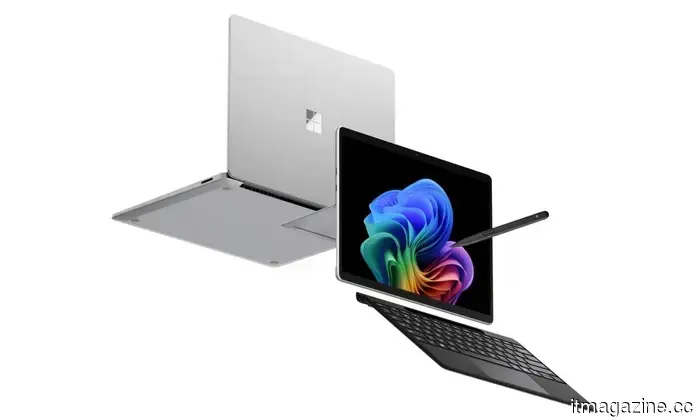
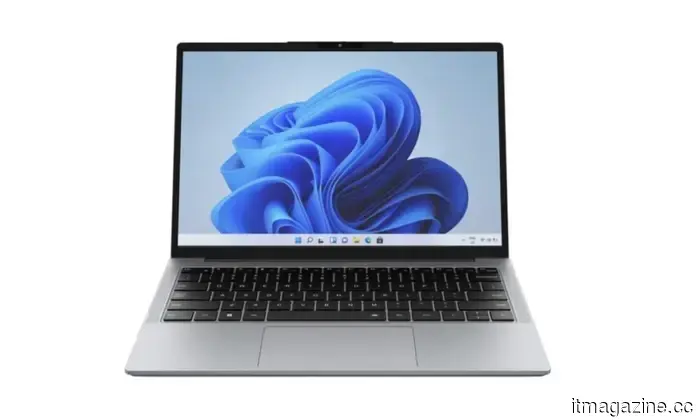
Apple has navigated this situation adeptly. With its strong supply chain and effective chip strategy, the iPhone maker has managed to skirt the issues that its Windows competitors are facing. A prime example is Microsoft's latest Surface for Business lineup, which, although featuring powerful new laptops, comes with disappointing pricing.
After years of promoting Windows 11 and Copilot—both of which require a minimum of 16GB of RAM—Microsoft is offering its own Surface Laptop with just 8GB for $1,299. In contrast, the new M5 MacBook Air is priced at $1,099 and includes 16GB of RAM.
Despite this, the MacBook Neo's advantages remain unchallenged.
At $599 in the US, Apple now has a model that occupies a market segment that Windows should have easily dominated. When compared to the 13-inch Surface Laptop, the substantial price difference alone tips the scales. Other than a few exceptions, the MacBook Neo faces minimal competition.
It features a sleek aluminum design, a vibrant 13-inch display, impressive battery life, Apple Intelligence support, and sufficient performance for students, families, and light creative work. While the Surface does boast features like a touchscreen, better battery expectations, and superior multicore performance, those same points were used against the MacBook when Windows prices were lower. What ultimately mattered was what buyers were willing to compromise on for the price. The key difference now is that I find myself defending the MacBook.
The MacBook Neo has its limitations.
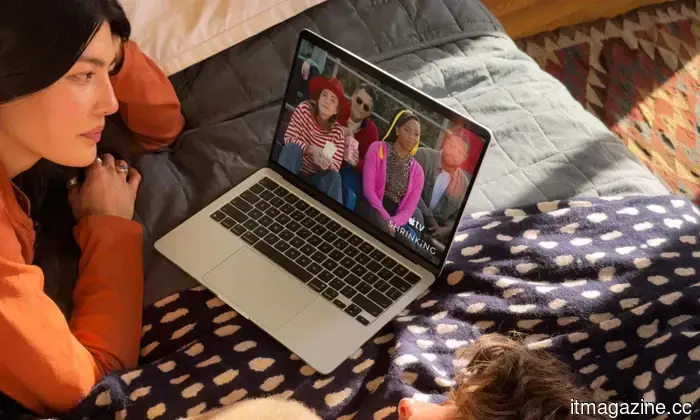
While the MacBook Neo is not the best choice for intensive video editing, heavy multitasking, or those who refuse to accept an 8GB laptop in 2026, it does provide mainstream consumers with something Apple usually confined to its higher price ranges: a genuine Mac experience at a price that seems reasonable.
On the other hand, the Windows market is being pressured. The rising costs of memory mean that new laptops are significantly more expensive than their predecessors, and the budget to midrange segment is increasingly scarce. Nonetheless, MacBooks are not the optimal choice for everyone. Windows still holds a strong advantage in areas like gaming, repair options, and hardware variety. However, in 2026, Apple's most affordable MacBook emerges as a choice that needs no emotional justification, just mathematical reasoning.
Other articles
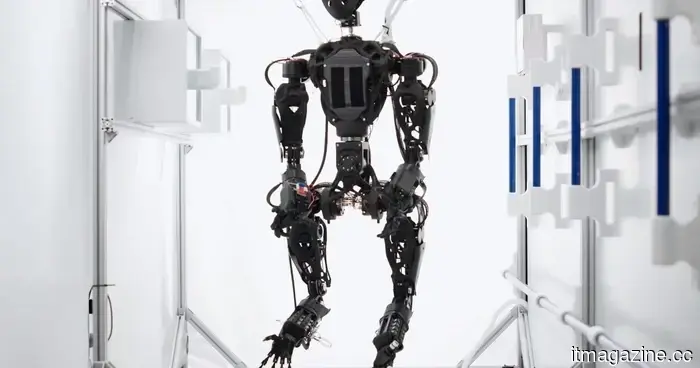 China plans to assign a unique identification code to humanoid robots, similar to how citizens are issued identification numbers.
China's new humanoid robot identification system functions similarly to a citizen identity code, assigning a distinct number that accompanies each bipedal robot throughout its entire lifecycle.
China plans to assign a unique identification code to humanoid robots, similar to how citizens are issued identification numbers.
China's new humanoid robot identification system functions similarly to a citizen identity code, assigning a distinct number that accompanies each bipedal robot throughout its entire lifecycle.
 The Pope states that AI should be disarmed and not allowed to dominate humanity. However, we are moving in the opposite direction.
Pope Leo XIV issued his initial encyclical on May 25, discussing artificial intelligence, human dignity, warfare, and the risks associated with allowing technology to be controlled by a select few.
The Pope states that AI should be disarmed and not allowed to dominate humanity. However, we are moving in the opposite direction.
Pope Leo XIV issued his initial encyclical on May 25, discussing artificial intelligence, human dignity, warfare, and the risks associated with allowing technology to be controlled by a select few.
 China has issued ID codes to over 28,000 humanoid robots.
China implemented a national robot identification system that assigns a 29-character code to each humanoid robot, allowing for tracking from the factory to the scrapyard. So far, 28,000 robots have been registered.
China has issued ID codes to over 28,000 humanoid robots.
China implemented a national robot identification system that assigns a 29-character code to each humanoid robot, allowing for tracking from the factory to the scrapyard. So far, 28,000 robots have been registered.
 Microsoft will allow users to remove the Copilot app as part of its ongoing cleanup for Windows 11.
The most recent update to Windows 11 from Microsoft brings new options for permanently eliminating Copilot via Group Policy, alterations to the Registry, and conventional uninstallation methods.
Microsoft will allow users to remove the Copilot app as part of its ongoing cleanup for Windows 11.
The most recent update to Windows 11 from Microsoft brings new options for permanently eliminating Copilot via Group Policy, alterations to the Registry, and conventional uninstallation methods.
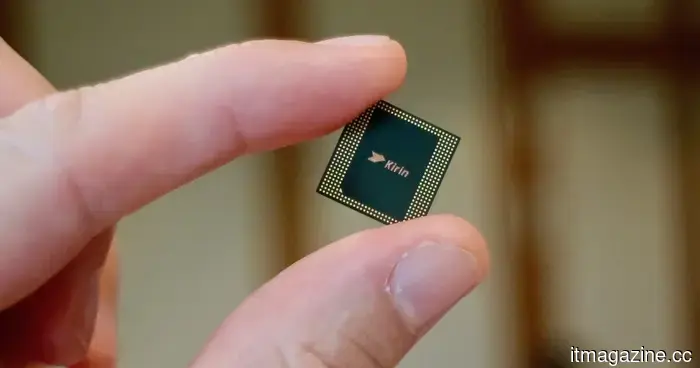 Huawei has introduced its alternative to Moore's Law as it targets the development of 1.4nm chips.
Huawei's Tau Scaling Law redirects the focus of the chip competition from merely reducing transistor size to enhancing signal speed, with the company confidently targeting a density equivalent to 1.4nm by 2031.
Huawei has introduced its alternative to Moore's Law as it targets the development of 1.4nm chips.
Huawei's Tau Scaling Law redirects the focus of the chip competition from merely reducing transistor size to enhancing signal speed, with the company confidently targeting a density equivalent to 1.4nm by 2031.
 Microsoft will indeed allow you to remove Copilot.
The April 2026 update for Windows 11 introduces an official option to uninstall Copilot, following the fact that only 3.3% of eligible users subscribed to it and administrators requested the ability to remove it.
Microsoft will indeed allow you to remove Copilot.
The April 2026 update for Windows 11 introduces an official option to uninstall Copilot, following the fact that only 3.3% of eligible users subscribed to it and administrators requested the ability to remove it.
In a market where Mac has been seen as aspirational, it now seems to offer a better value than Windows machines.
MacBooks have traditionally been seen as the high-end, aspirational laptop option, but increasing prices for Windows laptops combined with Apple’s more affordable MacBook approach are changing this narrative.