
Microsoft will indeed allow you to remove Copilot.
TL;DR: Microsoft’s April 2026 update allows users and administrators to completely uninstall the Copilot app from Windows 11. This decision follows low adoption rates, with only 3.3 percent of eligible users subscribing to Copilot, and ongoing criticism regarding the forced integration of AI features without adequate user control.
Microsoft has introduced the option to fully remove the Copilot app from Windows 11 in its April 2026 update. This update is applicable to both enterprise administrators using Group Policy and individual users, who can uninstall it via Settings like any other application.
For IT administrators, the new policy titled “Remove Microsoft Copilot app” is found under User Configuration, Administrative Templates, Windows Components, Windows AI in the Group Policy Editor. They can also apply this through the Windows Registry. The policy facilitates the uninstallation of Copilot only when certain conditions are met: both Microsoft 365 Copilot and the standalone Microsoft Copilot must be installed, the user should not have manually installed the Copilot app, and the app must not have been opened in the last 28 days.
Home and Pro users can follow a straightforward process. They need to go to Settings, select Apps, then Installed Apps, search for Copilot, and click Uninstall. If needed, the app can later be reinstalled from the Microsoft Store.
This adjustment represents a concession by Microsoft. Since introducing Copilot across Windows 11 and the Microsoft 365 suite in 2023, the company has prominently featured the tool as a key AI product. It was integrated into the taskbar, Edge, Notepad, Office apps, and Outlook, operating in the background and enabled by default. Users who wished to remove it had to rely on PowerShell scripts, third-party debloating tools, or registry modifications. This new policy allows for an official, supported method of removal for the first time.
The timing of this update highlights ongoing challenges with Copilot adoption. Only 3.3 percent of Microsoft 365 users with access to Copilot Chat have actually subscribed to it. Out of approximately 450 million Microsoft 365 seats, only 15 million are paying subscribers for Copilot. This conversion rate indicates that most users either do not find value in the tool to warrant payment or prefer to avoid it altogether. Furthermore, Microsoft’s own terms of service state that Copilot is “for entertainment purposes only,” a disclaimer that contrasts uncomfortably with the product's positioning as a productivity tool priced at $30 per user monthly.
The uninstall option is part of a broader initiative to streamline Windows 11. Microsoft has been eliminating outdated features and reducing pre-installed software in recent updates. Features like WordPad were phased out in 2024, the Tips app was removed, and Cortana was discontinued. Allowing users to uninstall Copilot aligns with this trend: if a feature is underutilized, enforcing it can lead to dissatisfaction rather than increased usage.
Enterprise customers have been particularly vocal regarding this issue. IT administrators managing countless devices objected to Copilot being mandated in managed environments without proper controls. Microsoft has been reevaluating its overall AI strategy, launching its own MAI model family to lessen reliance on OpenAI and ceasing internal Claude Code licenses due to untenable costs.
It's important to note the condition on the Group Policy removal based on 28 days of inactivity. If a user has opened Copilot at least once in the past four weeks, the policy will not trigger uninstallation. Microsoft appears to be trying to retain the app for users who have shown even minimal engagement while allowing administrators to remove it from machines where it has been untouched.
This change does not impact other Copilot features embedded in Windows, such as AI suggestions in the Start menu, AI capabilities in Paint and Photos, or Copilot integration in Edge. While the standalone Copilot app can be removed, AI functionality still exists within the operating system.
For Microsoft, the reasoning is clear. A product that users actively dislike and administrators circumvent is more detrimental to Windows sentiment than any AI feature can justify. Allowing removal is more cost-effective than managing the associated support demands, negative community response, and enterprise conflicts created by a forced installation.
This trend is reflective of the larger tech industry. GitHub halted new Copilot sign-ups after agentic AI usage affected its pricing model. Google has encountered resistance over AI Overviews in Search. Apple paid $250 million to settle a lawsuit on AI exaggeration claims. The consistent takeaway is that users will engage with AI tools that genuinely enhance their work but will resist those imposed without evident value.
Microsoft is experiencing this reality firsthand. The option to uninstall Copilot may seem minor, but the message it conveys is significant. When a company that invested $13 billion in OpenAI acknowledges its leading AI product should be optional, it recognizes that the current version has yet to justify its presence on every desktop.
Other articles
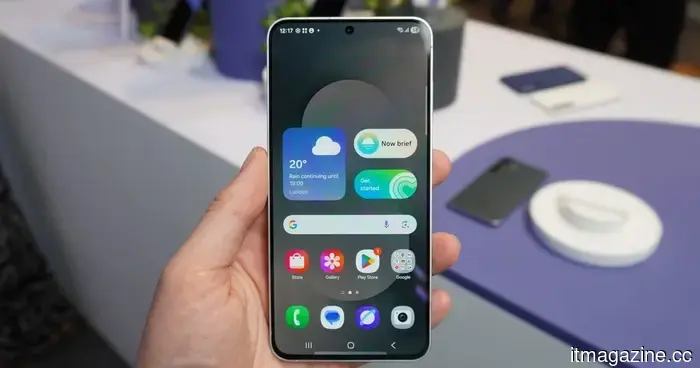 The upcoming budget flagship from Samsung has just been revealed, and here's a glimpse of its design.
Case renders for the Galaxy S26 FE have emerged online, showcasing its design and potential color choices several months before its anticipated release in October.
The upcoming budget flagship from Samsung has just been revealed, and here's a glimpse of its design.
Case renders for the Galaxy S26 FE have emerged online, showcasing its design and potential color choices several months before its anticipated release in October.
 Microsoft will allow users to remove the Copilot app as part of its ongoing cleanup for Windows 11.
The most recent update to Windows 11 from Microsoft brings new options for permanently eliminating Copilot via Group Policy, alterations to the Registry, and conventional uninstallation methods.
Microsoft will allow users to remove the Copilot app as part of its ongoing cleanup for Windows 11.
The most recent update to Windows 11 from Microsoft brings new options for permanently eliminating Copilot via Group Policy, alterations to the Registry, and conventional uninstallation methods.
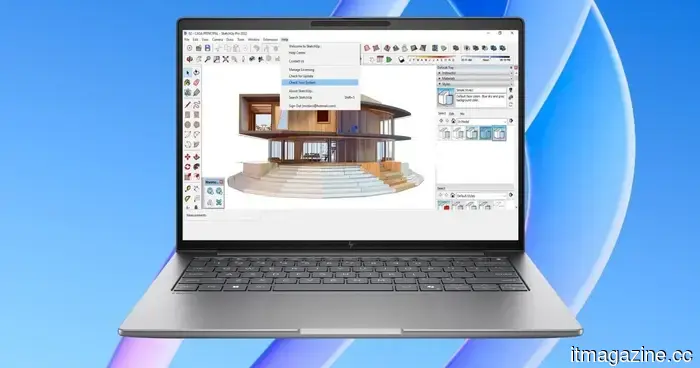 HP's latest ZBook workstations feature AI chips, Blackwell GPUs, and astonishingly high prices.
HP has introduced new ZBook workstation laptops equipped with Ryzen AI processors, high-quality displays, and advanced configurations designed for creators and professional users.
HP's latest ZBook workstations feature AI chips, Blackwell GPUs, and astonishingly high prices.
HP has introduced new ZBook workstation laptops equipped with Ryzen AI processors, high-quality displays, and advanced configurations designed for creators and professional users.
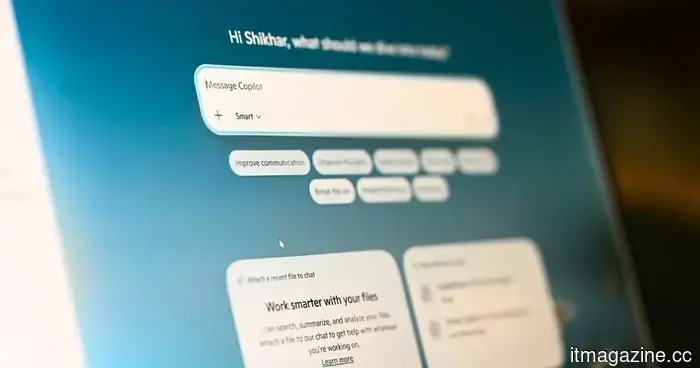 Copilot is receiving a sidebar design for Windows 11, similar to Gemini in Chrome.
Copilot is set to receive a dockable sidebar in Windows 11, functioning similarly to Gemini in Chrome, an approach that Microsoft previously attempted and abandoned.
Copilot is receiving a sidebar design for Windows 11, similar to Gemini in Chrome.
Copilot is set to receive a dockable sidebar in Windows 11, functioning similarly to Gemini in Chrome, an approach that Microsoft previously attempted and abandoned.
 Microsoft will finally allow you to remove Copilot.
The April 2026 update for Windows 11 introduces an official option to uninstall Copilot, following the fact that only 3.3% of eligible users decided to pay for it and after requests from administrators for removal controls.
Microsoft will finally allow you to remove Copilot.
The April 2026 update for Windows 11 introduces an official option to uninstall Copilot, following the fact that only 3.3% of eligible users decided to pay for it and after requests from administrators for removal controls.
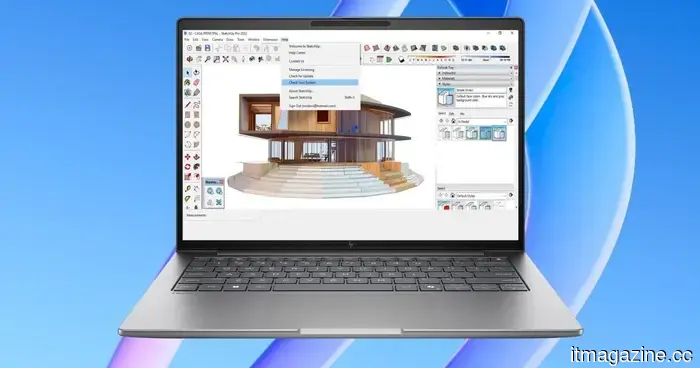 HP's latest ZBook workstations feature AI chips, Blackwell GPUs, and eye-popping price tags.
HP has introduced new ZBook workstation laptops that are equipped with Ryzen AI processors, high-quality displays, and top-tier configurations designed for creators and professional users.
HP's latest ZBook workstations feature AI chips, Blackwell GPUs, and eye-popping price tags.
HP has introduced new ZBook workstation laptops that are equipped with Ryzen AI processors, high-quality displays, and top-tier configurations designed for creators and professional users.
Microsoft will indeed allow you to remove Copilot.
The April 2026 update for Windows 11 introduces an official option to uninstall Copilot, following the fact that only 3.3% of eligible users subscribed to it and administrators requested the ability to remove it.