
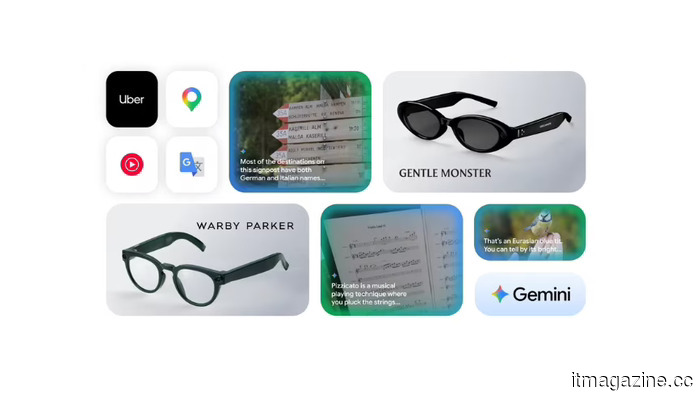
Google unveils smart glasses powered by Gemini at I/O 2026.
**TL;DR** Google unveiled AI-driven audio glasses during I/O 2026 with collaborations from Warby Parker, Gentle Monster, and Samsung. Equipped with Gemini 2.5 Pro and running on Android XR, the glasses are set to launch this autumn and directly compete with Meta’s leading Ray-Ban smart glasses.
Google is making another attempt at smart glasses, this time with fashionable partnerships. At the Google I/O 2026 event on Tuesday, the company revealed its collaboration with Warby Parker and Gentle Monster to create AI-enhanced "audio glasses" in conjunction with Samsung. These glasses, powered by Gemini 2.5 Pro and operating on Android XR, are anticipated to be available this autumn and will support both Android and iOS devices.
What Google actually revealed
The premise is simple: wear the glasses, give a voice command, and let Google's ecosystem manage the tasks. During a demonstration, a Google employee ordered coffee online just by speaking to the glasses, illustrating a practical use case rather than a futuristic concept. Users can activate the assistant by saying “Hey Google” or tapping the side of the frame.
Google intends to offer two product versions. The first, the audio glasses launching this autumn, will facilitate voice-controlled tasks such as managing calls, sending texts, providing message summaries powered by Gemini, and real-time translation that aligns with the speaker's voice. A later Display Edition will include a monocular microLED heads-up display that shows navigation, alerts, and AI-generated feedback directly in the user's view.
Additionally, there’s Project Aura, a toolkit for developers created with XREAL featuring full binocular displays and a 70-degree field of view, intended to spur third-party development on the Android XR platform.
Inside the glasses
Each pair will be equipped with a camera, speaker, and internal microphone. A Snapdragon processor will handle local processing, though Google has yet to disclose which chip is used. The functionality emphasizes Gemini's multimodal capabilities, allowing users to ask visual questions about their surroundings, including inquiries about nearby restaurants, cloud formations, or unclear parking signs. Real-time translation will also apply to text visible to the wearer. Pricing details have not yet been announced.
Confronting Meta
Google is competing in a market where Meta has already established a strong presence. Meta sold about seven million pairs of Ray-Ban smart glasses in 2025, dominating approximately 82% of the emerging smart glasses market. They are also launching prescription models called Scriber and Blazer soon.
Google's strategy seems to hinge on two main elements: fashion appeal and platform scale. Teaming up with Warby Parker provides access to a brand that resonates with the younger, style-conscious demographic in North America, while Gentle Monster, a luxury eyewear brand from South Korea, expands its reach into Asian markets. Samsung's participation in the design process adds manufacturing support, with the company releasing its own Galaxy Glasses running on Android XR later this year.
The privacy concerns that have surrounded all smart glasses manufacturers will also likely impact Google. The presence of cameras in public spaces continues to raise scrutiny, and given Google's background with this category, they must proceed cautiously.
The legacy of Google Glass
It's crucial to consider Google’s past failure with Google Glass when discussing its current ambitions in smart glasses. Launched over ten years ago, the original device became emblematic of tech overreach, coining the derogatory term “glassholes” for its early users. It was ultimately pulled from the consumer market and refocused on enterprise use before being quietly phased out entirely.
This time, Google appears to have grasped at least one critical lesson: creating an attractive product is essential. The partnerships with Warby Parker and Gentle Monster indicate that the company understands the need for smart glasses to look good first and be smart second. Whether this design-focused approach can overcome the existing stigma toward smart glasses is yet to be determined.
The platform strategy
Arguably, the most crucial element of the announcement is Android XR, the operating system powering the glasses. Google’s approach mirrors its earlier strategy with smartphones: develop an open platform, onboard hardware partners, and allow the ecosystem to flourish. If Android XR gains momentum, Google may not need to dominate the hardware sector; it simply requires enough manufacturers to build on its platform to achieve market leadership.
The increasing interest from startups in holographic and advanced display technologies indicates that the smart glasses category is drawing significant investments. Google is wagering that, similar to the smartphone market, the winner will be the company controlling the software layer rather than any singular hardware component. Given Meta’s strong market position and Apple's rumored interest in the field, this is a risky bet, but one that Google has successfully made in the past.
Other articles
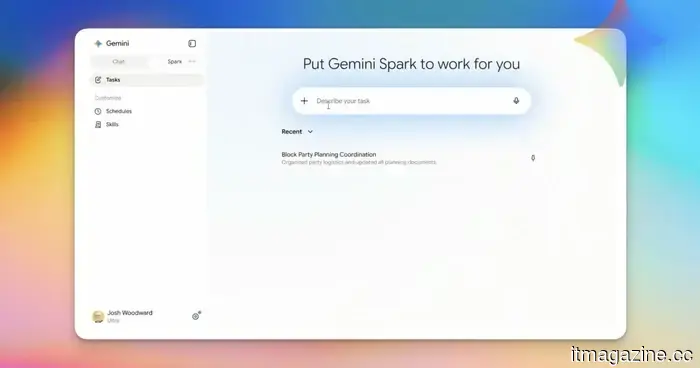 Google's latest Gemini Spark AI assistant is capable of handling your tasks while you manage your life.
Google's Gemini Spark is an innovative AI agent designed to manage multi-step tasks in the background, operate across Google's applications, and continue functioning even when you shut your laptop.
Google's latest Gemini Spark AI assistant is capable of handling your tasks while you manage your life.
Google's Gemini Spark is an innovative AI agent designed to manage multi-step tasks in the background, operate across Google's applications, and continue functioning even when you shut your laptop.
 Android Halo might serve as the crucial connection between Android and AI agents.
Google’s latest Android Halo feature suggests a future where AI seamlessly supports you without requiring your constant focus. The most intriguing aspect is its minimal interference with your activities.
Android Halo might serve as the crucial connection between Android and AI agents.
Google’s latest Android Halo feature suggests a future where AI seamlessly supports you without requiring your constant focus. The most intriguing aspect is its minimal interference with your activities.
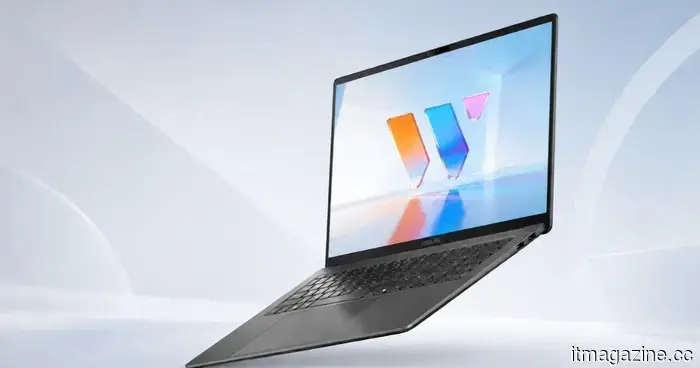 Startled by the MacBook Neo, Asus showcases budget-friendly Intel Wildcat Lake laptops.
Asus' latest Intel Wildcat Lake Vivobooks are creating initial competition for the MacBook Neo, thanks to their competitive pricing in China, useful ports, and the availability of a quicker 16-inch display option.
Startled by the MacBook Neo, Asus showcases budget-friendly Intel Wildcat Lake laptops.
Asus' latest Intel Wildcat Lake Vivobooks are creating initial competition for the MacBook Neo, thanks to their competitive pricing in China, useful ports, and the availability of a quicker 16-inch display option.
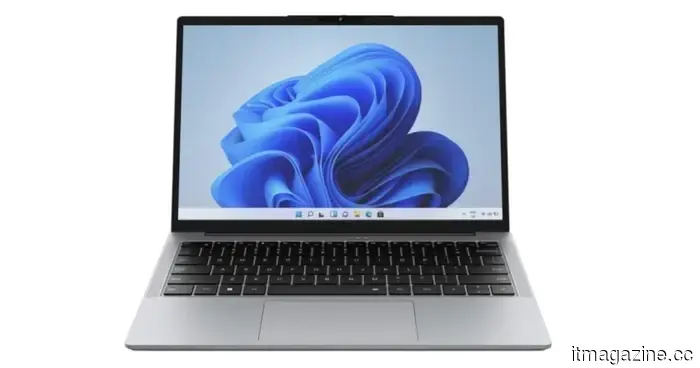 Chuwi's UniBook is a $449 laptop that aims to rival the MacBook Neo by offering impressive features.
Chuwi’s UniBook combines Intel’s latest Wildcat Lake Core 3 processor with a 14-inch display that covers 100% of the sRGB color space, offers ample port options, and is expected to be priced at around $449.
Chuwi's UniBook is a $449 laptop that aims to rival the MacBook Neo by offering impressive features.
Chuwi’s UniBook combines Intel’s latest Wildcat Lake Core 3 processor with a 14-inch display that covers 100% of the sRGB color space, offers ample port options, and is expected to be priced at around $449.
 Google DeepMind links Street View to the Project Genie world model | TNW
Google DeepMind has connected two decades of Street View images to its Genie world model, enabling AI Ultra subscribers to navigate AI-created simulations of actual streets.
Google DeepMind links Street View to the Project Genie world model | TNW
Google DeepMind has connected two decades of Street View images to its Genie world model, enabling AI Ultra subscribers to navigate AI-created simulations of actual streets.
 Microsoft has announced that new Surface laptops featuring Snapdragon X2 chips will be released later this year.
Microsoft introduced Intel Surface models today and announced that Snapdragon X2 variants will be available later in 2026, featuring accelerated AI inferencing, improved battery life, and a potential OLED display option.
Microsoft has announced that new Surface laptops featuring Snapdragon X2 chips will be released later this year.
Microsoft introduced Intel Surface models today and announced that Snapdragon X2 variants will be available later in 2026, featuring accelerated AI inferencing, improved battery life, and a potential OLED display option.
Google unveils smart glasses powered by Gemini at I/O 2026.
At I/O 2026, Google introduced AI audio glasses in collaboration with Warby Parker and Gentle Monster. Equipped with Gemini 2.5 Pro, they are set to be released this fall.