
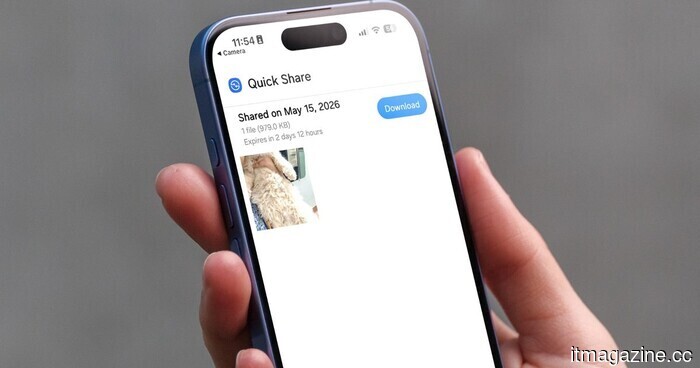
Your Android device can now transfer files to any iPhone by utilizing a Quick Share QR code.
Quick Share has just introduced a feature that simplifies cross-platform file sharing significantly.
Sharing files between Android and iPhone has historically been challenging, but Google is making strides to address this issue. The company has rolled out a new Quick Share feature, making Android devices compatible with Apple’s AirDrop, which enables users to seamlessly transfer files between iPhones and Android devices.
Nevertheless, not every Android device possesses the hardware to facilitate Quick Share-AirDrop compatibility, meaning that this feature isn't available on all Android smartphones. To overcome this limitation, Google has introduced a new QR code-based file sharing system, enabling any Android device to send files to iPhones.
How does it operate?
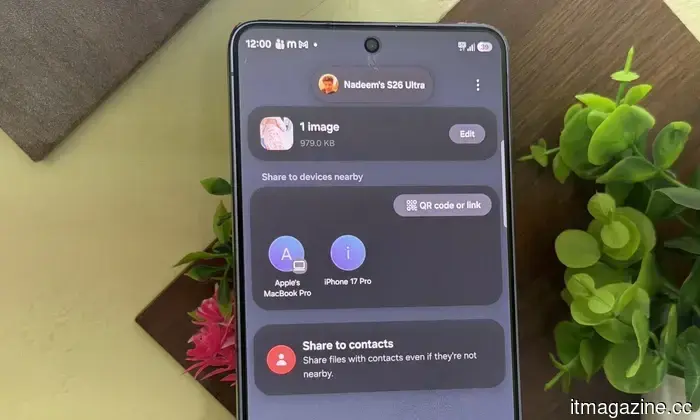
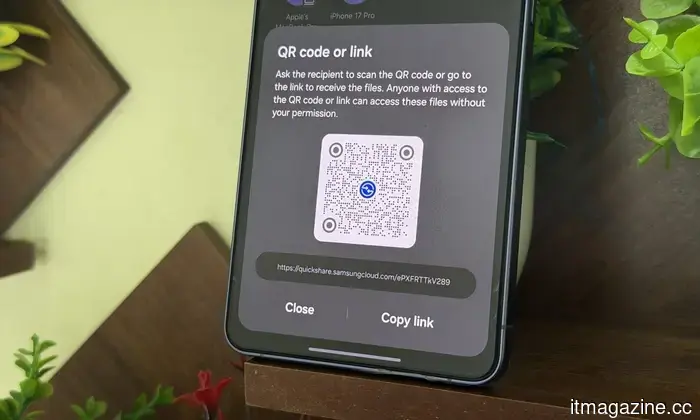
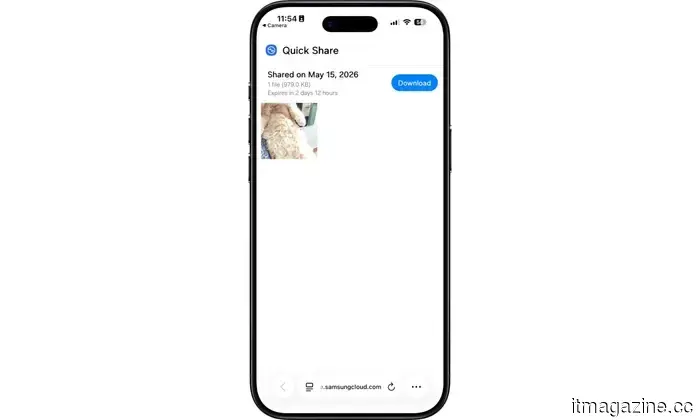
With this system, an Android phone creates a QR code for file sharing. The iPhone user scans the QR code using the default Camera app, and the file is uploaded to the cloud for transfer to the recipient.
It's important to note that anyone who scans the QR code can download the file without needing permission. Therefore, you should only share the QR code with people you trust. The whole process is surprisingly smooth for something that has traditionally required third-party solutions.
Who is this feature intended for?
This feature is specifically aimed at Android phones that currently lack native Quick Share-AirDrop compatibility. Instead of depending on a direct device-to-device connection, it utilizes QR codes and cloud transfers to facilitate file sharing between Android and iOS devices.
If you haven't seen this feature on your device yet, there's no need to worry. Google has stated it will be rolled out to all Android phones within the next month. In terms of native AirDrop compatibility, Google also confirmed that support will be expanded beyond Pixel and Samsung devices to include OPPO, OnePlus, Vivo, Xiaomi, and HONOR smartphones this year.
Furthermore, Google plans to integrate Quick Share into third-party applications, such as WhatsApp, in the near future. With QR code sharing and the expanding compatibility with AirDrop, cross-platform file sharing is finally receiving the focus it deserves.
Rachit is a seasoned tech journalist with more than seven years of experience covering the consumer technology sector.
Apple should consider giving its upcoming iPhone 18e a "Neo" makeover, and I’m interested.
There, I’ve said it; I want the iPhone Neo.
For years, Apple has followed a predictable approach for its budget iPhones: take an older flagship design, remove some premium features, lower the price slightly, and present it as the "entry-level" option within its ecosystem. While this strategy has proven financially successful, it often fails to resonate emotionally.
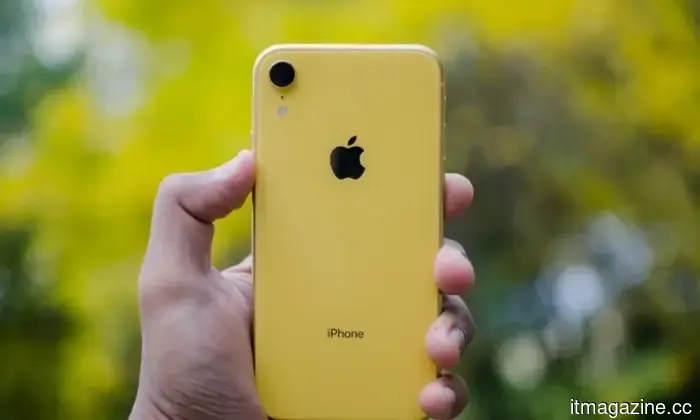
This is precisely why the forthcoming iPhone 18e presents a significant opportunity for Apple. Instead of treating it as just another diluted flagship offering, Apple should wholeheartedly adopt a "Neo" identity, one focused on color, personality, experimentation, and smart hardware reuse. Apple has executed this concept flawlessly with the MacBook Neo; it just needs to apply that same approach to an affordable iPhone.
Google's free storage has long been an advantage over Apple’s 5GB iCloud limit, but that’s changing.
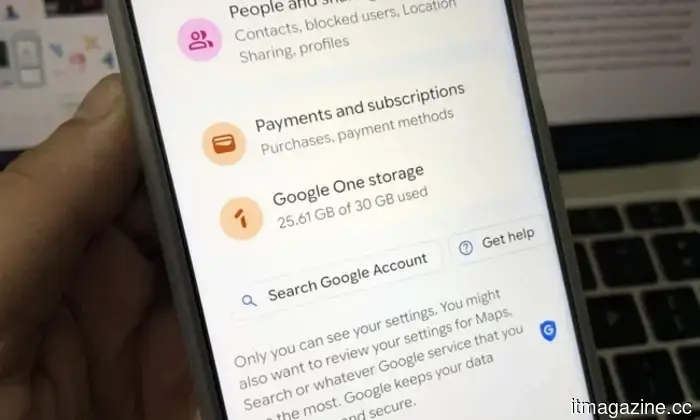
Google has quietly modified one of the most reliable promises in consumer technology: the provision of 15GB of free cloud storage. Previously, creating a Google account granted users 15GB of free storage shared across Gmail, Drive, and Photos. However, this has now changed.
New accounts now default to only 5GB (the same as iCloud), with the full 15GB available only if users provide their phone number during account setup. The message that users see states: “Your account includes 5GB of storage. Now get even more storage space with your phone number.”
Sony showcases AI-enhanced Xperia 1 VIII camera samples—it's an embarrassing moment I can’t overlook.
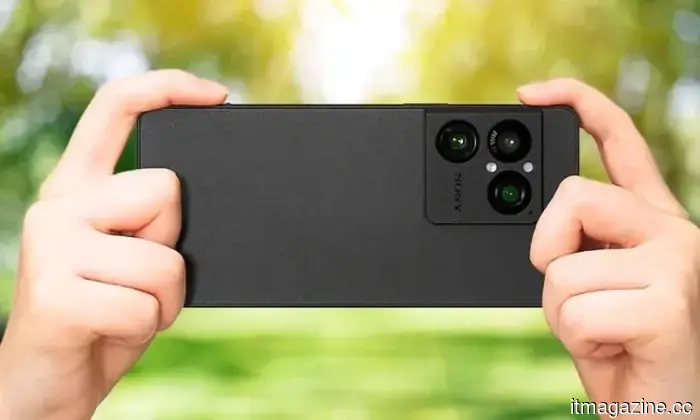
Sony designed the Xperia 1 series for individuals who understand what a histogram is. However, the Xperia Intelligence seems to cater to a broader audience, and the sample images reveal this tension clearly.
Sony has a camera reputation that most brands, whether in cameras or smartphones, aspire to achieve. The company transformed the capabilities of full-frame sensors with its Alpha series.
The unique rendering of skin tones, balanced saturation, and commitment to accurate white balance; these elements of the company’s color science are why cinematographers, videographers, and photographers, including myself, in the consumer tech realm, trust its color science and camera hardware.

Other articles
 Netflix has established its own AI studio, and AI-generated content will soon be appearing in your feed, regardless of your preference.
Netflix has been quietly establishing an AI animation studio named INKubator to create animated shorts and specials utilizing generative AI technologies.
Netflix has established its own AI studio, and AI-generated content will soon be appearing in your feed, regardless of your preference.
Netflix has been quietly establishing an AI animation studio named INKubator to create animated shorts and specials utilizing generative AI technologies.
 Bill Ackman invests in Microsoft, with details on the investment size to be revealed today.
On Friday, Bill Ackman announced that Pershing Square has acquired a new position in Microsoft following the stock's 16% decline since the beginning of the year. The 13F filing revealing the size of the stake is anticipated later in the day.
Bill Ackman invests in Microsoft, with details on the investment size to be revealed today.
On Friday, Bill Ackman announced that Pershing Square has acquired a new position in Microsoft following the stock's 16% decline since the beginning of the year. The 13F filing revealing the size of the stake is anticipated later in the day.
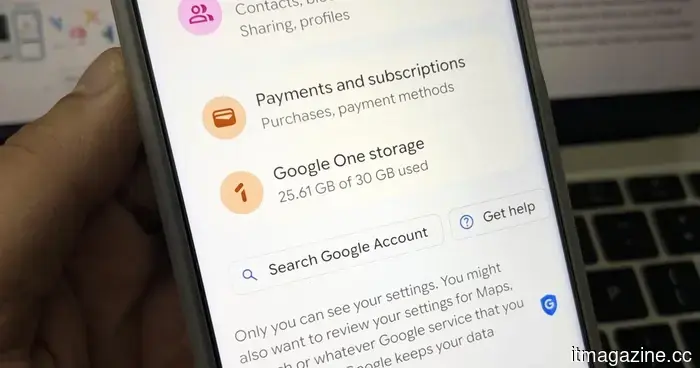 Your next complimentary Google account may only include 5GB of storage.
New Google accounts now come with 5GB of complimentary storage. Associating a phone number enables users to access the full storage capacity, but the support page has subtly removed the guaranteed 15GB offer.
Your next complimentary Google account may only include 5GB of storage.
New Google accounts now come with 5GB of complimentary storage. Associating a phone number enables users to access the full storage capacity, but the support page has subtly removed the guaranteed 15GB offer.
 Oh, shall we? In Russia, they released the "Shalyapin" acoustic system based on the "Russian bass."
A fresh perspective on what should play in cars has emerged in the country. The brand "Ural" has introduced the AK-3 "Shalyapin" acoustic system. The main feature is the so-called "Russian sound," which the developers have separated from just high-quality music and tied to cultural tradition.
Oh, shall we? In Russia, they released the "Shalyapin" acoustic system based on the "Russian bass."
A fresh perspective on what should play in cars has emerged in the country. The brand "Ural" has introduced the AK-3 "Shalyapin" acoustic system. The main feature is the so-called "Russian sound," which the developers have separated from just high-quality music and tied to cultural tradition.
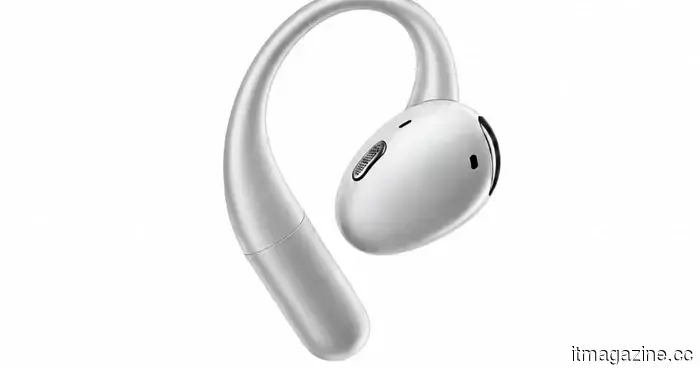 Forget about smart glasses; these earbuds are capable of seeing, hearing, and remembering everything on your behalf.
AI wearables could be taking a distinct path. These innovative smart earbuds claim to see, hear, and even retain information for you — all while keeping another screen out of your line of sight.
Forget about smart glasses; these earbuds are capable of seeing, hearing, and remembering everything on your behalf.
AI wearables could be taking a distinct path. These innovative smart earbuds claim to see, hear, and even retain information for you — all while keeping another screen out of your line of sight.
 Samsung proposes to have discussions; the union indicates June, following the strike.
On Friday, Samsung proposed unconditional negotiations with the union. The NSEU accepted this offer on June 7, just three days after the conclusion of its 18-day strike. Shares dropped by as much as 7.6%.
Samsung proposes to have discussions; the union indicates June, following the strike.
On Friday, Samsung proposed unconditional negotiations with the union. The NSEU accepted this offer on June 7, just three days after the conclusion of its 18-day strike. Shares dropped by as much as 7.6%.
Your Android device can now transfer files to any iPhone by utilizing a Quick Share QR code.
Google is introducing a new QR code sharing feature in Quick Share, enabling Android users to transfer files to iPhones without the need for an additional app.