

Samsung proposes to have discussions; the union indicates June, following the strike.
The company removed its preconditions on Friday. The National Samsung Electronics Union (NSEU) announced that it would begin considering new proposals starting 7 June, three days after the anticipated 18-day strike concludes. On Friday, Samsung Electronics invited its largest union to return to negotiations without any conditions, to which the union eventually agreed.
Discussions might restart on 7 June, according to the NSEU, three days after the planned 18-day strike set to begin on 21 May. It is uncommon for an offer of unrestricted dialogue to be followed by a schedule set for after the protests have ended.
This proposal, validated by the union and acknowledged by Samsung in a brief statement, came after negotiations mediated by the government failed at the National Labor Relations Commission two days earlier. Investors reacted negatively to this news, with Samsung shares dropping as much as 7.6% on the Korea Exchange on Friday morning, in contrast to a 1.1% decline in the KOSPI index, although some losses were recovered later in the session.
The dispute centers not on salary but on the formula for bonuses. The NSEU seeks to eliminate the current cap on performance bonuses set at 50% of the base salary and introduce a profit-sharing agreement that would allocate 15% of the chip division's operating profit to employees.
Samsung has proposed a one-time payment for 2026 and a profit-sharing percentage of about 13%, but has not promised any permanent structural changes. A relevant comparison can be made with SK Hynix, which last September agreed to remove its bonus cap and allocate 10% of its annual operating profit to employees, securing that arrangement for ten years.
According to forecasts for 2026, this arrangement could yield substantial payouts, amounting to six figures per worker among roughly 35,000 employees. Observing this development at a neighboring company, Samsung’s chip workers desire a similar written agreement instead of relying on the chairman’s discretion.
The urgency of the situation is heightened by Samsung’s $1 trillion market capitalization, achieved earlier this month, which is largely attributed to the chip division, particularly the HBM and server DRAM products that the union is threatening to halt production of.
JPMorgan has estimated that an 18-day strike could cost Samsung over 4 trillion won (approximately $2.9 billion) in direct semiconductor revenue, while the union's own projection is even higher, estimating losses of up to 30 trillion won. Although the two figures are not directly comparable, both exceed the current divide between the negotiating parties.
The South Korean government has expressed concern over the possibility of a strike. According to trade ministry data, semiconductors constituted about 37% of the country’s total exports in April. Both the prime minister and finance minister have emphasized the need to avoid any disruptions at the world’s largest memory chip manufacturer.
Thus far, the labor minister has refrained from invoking emergency arbitration, a seldom-used measure that would pause industrial action for 30 days. In its statement, Samsung expressed its willingness for dialogue and expressed regret over the union's decision to proceed with the strike.
The NSEU, which consists of approximately 36,000 members and represents around 30% of the workforce, indicated that it would consider any new written proposal before 21 May but would not postpone the strike to negotiate further. The 7 June date, according to the union, is not a starting offer; it is simply a date on the calendar.
Other articles
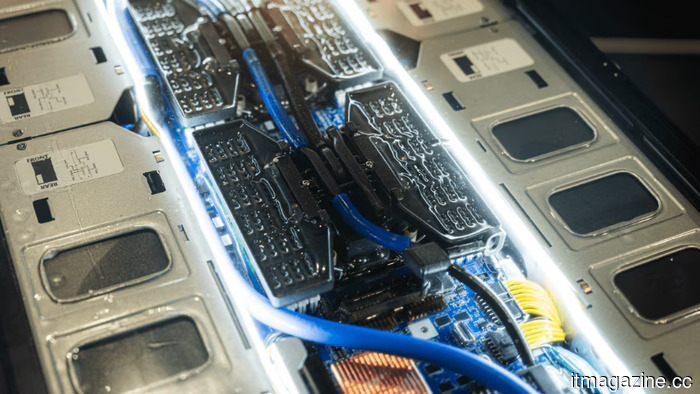 Iceotope secures $26 million as AI rack densities exceed the capabilities of air cooling.
The UK-based precision liquid cooling firm Iceotope has secured $26 million in a Series B funding round led by Two Seas Capital and Barclays Climate Ventures.
Iceotope secures $26 million as AI rack densities exceed the capabilities of air cooling.
The UK-based precision liquid cooling firm Iceotope has secured $26 million in a Series B funding round led by Two Seas Capital and Barclays Climate Ventures.
 Meta will permit third-party applications for Ray-Ban Display glasses. You need to keep your focus on digital reality.
Meta is allowing third-party developers access to the Ray-Ban Display glasses, which could alter the practicality of smart glasses in your everyday life.
Meta will permit third-party applications for Ray-Ban Display glasses. You need to keep your focus on digital reality.
Meta is allowing third-party developers access to the Ray-Ban Display glasses, which could alter the practicality of smart glasses in your everyday life.
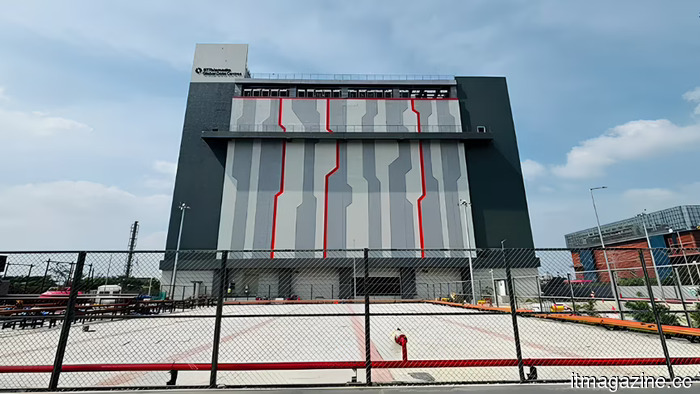 STT Global Data Centres is preparing for a $500 million listing in Mumbai, ahead of a competitive IPO lineup in 2026.
According to Bloomberg, STT Global Data Centres India is getting ready for an IPO in Mumbai of up to $500 million, with bank presentations scheduled for next week and mandates expected by the end of May. This would position it at the forefront of the data-centre listings for 2026.
STT Global Data Centres is preparing for a $500 million listing in Mumbai, ahead of a competitive IPO lineup in 2026.
According to Bloomberg, STT Global Data Centres India is getting ready for an IPO in Mumbai of up to $500 million, with bank presentations scheduled for next week and mandates expected by the end of May. This would position it at the forefront of the data-centre listings for 2026.
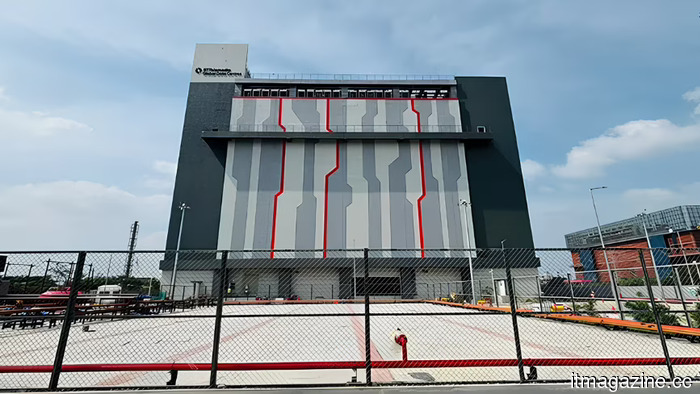 STT Global Data Centres is preparing for a $500 million listing in Mumbai, ahead of a crowded IPO lineup in 2026.
According to Bloomberg, STT Global Data Centres India is set to launch an IPO in Mumbai for up to $500 million, with bank presentations scheduled for next week and mandates expected to be finalized by the end of May. This IPO would position the company at the forefront of the 2026 data center listing lineup.
STT Global Data Centres is preparing for a $500 million listing in Mumbai, ahead of a crowded IPO lineup in 2026.
According to Bloomberg, STT Global Data Centres India is set to launch an IPO in Mumbai for up to $500 million, with bank presentations scheduled for next week and mandates expected to be finalized by the end of May. This IPO would position the company at the forefront of the 2026 data center listing lineup.
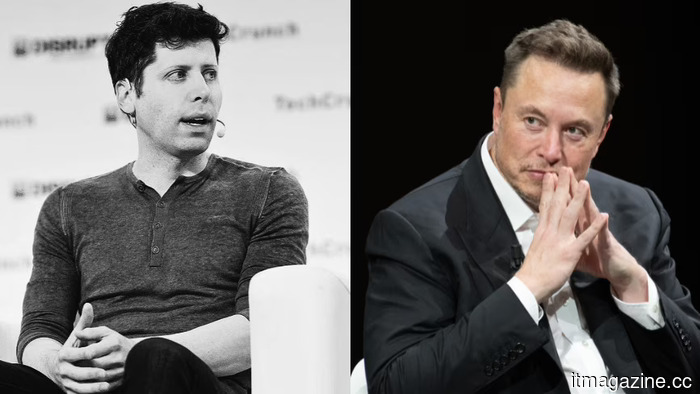 Jury deliberations will start in the trial involving the OpenAI nonprofit following Musk's absence from the closing sessions to attend an event in Beijing.
The closing arguments in the Musk v. Altman case concluded on Thursday in Oakland, with the jury set to begin deliberations on Monday. The case involves potential disgorgement of up to $134 billion and the structure of OpenAI.
Jury deliberations will start in the trial involving the OpenAI nonprofit following Musk's absence from the closing sessions to attend an event in Beijing.
The closing arguments in the Musk v. Altman case concluded on Thursday in Oakland, with the jury set to begin deliberations on Monday. The case involves potential disgorgement of up to $134 billion and the structure of OpenAI.
 Federal judge delays decision on Anthropic's $1.5 billion author settlement.
Judge Araceli Martínez-Olguín on Thursday refused to give final approval to Anthropic's $1.5 billion settlement with the authors, requesting additional information regarding attorney fees and payments to the lead plaintiff.
Federal judge delays decision on Anthropic's $1.5 billion author settlement.
Judge Araceli Martínez-Olguín on Thursday refused to give final approval to Anthropic's $1.5 billion settlement with the authors, requesting additional information regarding attorney fees and payments to the lead plaintiff.
Samsung proposes to have discussions; the union indicates June, following the strike.
On Friday, Samsung proposed unconditional negotiations with the union. The NSEU accepted this offer on June 7, just three days after the conclusion of its 18-day strike. Shares dropped by as much as 7.6%.