

Texas Attorney General files a lawsuit against Netflix for purported surveillance and its design aimed at addiction.
Attorney General Ken Paxton initiated a lawsuit against Netflix on Monday, claiming that the streaming service gathers user data without permission and creates an autoplay feature that encourages children to continue watching. Netflix described the lawsuit as lacking merit.
The lawsuit was filed under the Texas Deceptive Trade Practices Act and alleges that Netflix operates what it refers to as “surveillance machinery,” which collects approximately 5 petabytes of user-behavior logs daily and handles over 10 million events per second to support more than 40,000 internal microservices.
Additionally, the complaint accuses Netflix of combining user data from its platform with off-platform information obtained by advertising technology partners, specifically naming Google Display & Video 360 and The Trade Desk.
The state requests that the court mandate Netflix to delete data that it claims was gathered unlawfully, prevent the company from utilizing that data for targeted advertising without clear user consent, and impose civil fines of up to $10,000 for each violation.
The complaint claims that Netflix’s autoplay feature “creates a continuous stream of content intended to keep users, including children, viewing for long periods.”
Paxton’s office presents the lawsuit as part of a larger initiative focused on consumer protection concerning minors and digital privacy.
Netflix called the lawsuit meritless, stating, “Respectfully to the great state of Texas and Attorney General Paxton, this lawsuit lacks merit and is based on inaccurate and distorted information,” as a company spokesperson said in a statement, choosing not to provide further comments on ongoing litigation.
This case in Texas aligns with a broader regulatory and legal scrutiny surrounding streaming services and data-collection practices. The state has also taken similar consumer-protection actions against Meta, TikTok, Google, and Snap in recent years; some cases have settled while others are still in active litigation. Federal scrutiny over streaming data practices has been comparatively limited.
The specific figures regarding petabytes and microservices mentioned in the complaint are notable. Netflix has previously shared insights about its internal infrastructure at engineering conferences and through blog posts; the details in the complaint seem to be derived from publicly available engineering documents rather than internal materials acquired through discovery. The lawsuit currently does not present evidence beyond what is already in the public domain.
The case was filed in a Texas state court, and the initial hearing concerning jurisdiction and any motions to dismiss is anticipated within sixty days.
Netflix has not specified whether it plans to move the case to federal court, though streaming companies generally pursue this option in cases involving interstate data issues and federal communications law.
Texas has not provided an estimate for potential civil penalties; however, the $10,000-per-violation structure, when applied to what the state estimates as millions of impacted users in Texas, could suggest a potential total reaching into the high hundreds of millions of dollars.
Other articles
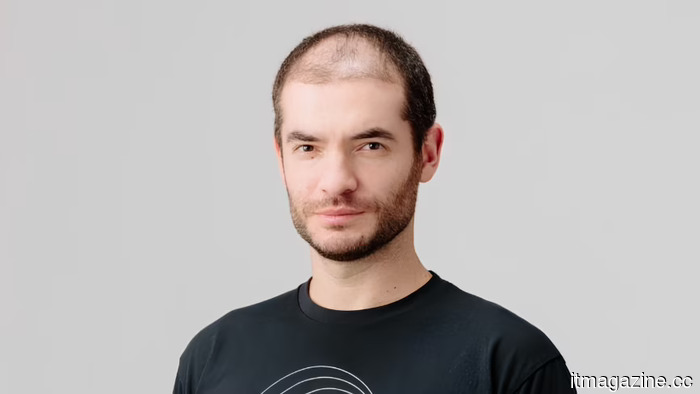 Ilya Sutskever reveals a $7 billion stake in OpenAI during his testimony in the litigation involving Musk.
Ilya Sutskever stated that his stake in OpenAI is valued at approximately $7 billion, positioning him as one of the largest individual shareholders of the AI firm.
Ilya Sutskever reveals a $7 billion stake in OpenAI during his testimony in the litigation involving Musk.
Ilya Sutskever stated that his stake in OpenAI is valued at approximately $7 billion, positioning him as one of the largest individual shareholders of the AI firm.
 Texas Attorney General files lawsuit against Netflix for purported surveillance and addictive features.
Texas Attorney General Ken Paxton has filed a lawsuit against Netflix, claiming that the streaming platform monitors its users, particularly children, and utilizes autoplay to encourage continued viewing.
Texas Attorney General files lawsuit against Netflix for purported surveillance and addictive features.
Texas Attorney General Ken Paxton has filed a lawsuit against Netflix, claiming that the streaming platform monitors its users, particularly children, and utilizes autoplay to encourage continued viewing.
 Adfin secures $18 million in Series A funding from Index Ventures for agentic business finance.
London-based fintech Adfin has secured $18 million in Series A funding, led by Index Ventures, to expand its platform for facilitating money movement for small and medium-sized enterprises (SMEs).
Adfin secures $18 million in Series A funding from Index Ventures for agentic business finance.
London-based fintech Adfin has secured $18 million in Series A funding, led by Index Ventures, to expand its platform for facilitating money movement for small and medium-sized enterprises (SMEs).
 Prosus aims to raise $3.6 billion from Just Eat as part of its expansion into the European food delivery market.
Prosus aims to generate $3.6 billion in yearly revenue from Just Eat Takeaway, the European food-delivery company it acquired for €4.1 billion in 2025.
Prosus aims to raise $3.6 billion from Just Eat as part of its expansion into the European food delivery market.
Prosus aims to generate $3.6 billion in yearly revenue from Just Eat Takeaway, the European food-delivery company it acquired for €4.1 billion in 2025.
 Duch Ditto secures €7.6 million for AI-powered summaries of medical appointments from the patient's perspective.
Dutch health-tech company Ditto has secured €7.6 million in funding, led by Heal Capital, to broaden the reach of its patient-focused AI consultation-summary app into Germany, the UK, and Spain.
Duch Ditto secures €7.6 million for AI-powered summaries of medical appointments from the patient's perspective.
Dutch health-tech company Ditto has secured €7.6 million in funding, led by Heal Capital, to broaden the reach of its patient-focused AI consultation-summary app into Germany, the UK, and Spain.
 Jensen Huang does not participate in Trump's China business delegation.
NVIDIA CEO Jensen Huang is not part of Trump's delegation to China, while Apple’s Tim Cook and Tesla’s Elon Musk are included. The visit centers on agriculture and aviation.
Jensen Huang does not participate in Trump's China business delegation.
NVIDIA CEO Jensen Huang is not part of Trump's delegation to China, while Apple’s Tim Cook and Tesla’s Elon Musk are included. The visit centers on agriculture and aviation.
Texas Attorney General files a lawsuit against Netflix for purported surveillance and its design aimed at addiction.
Texas Attorney General Ken Paxton has filed a lawsuit against Netflix, claiming that the streaming platform monitors its users, particularly minors, and employs autoplay features to maintain their viewing.