
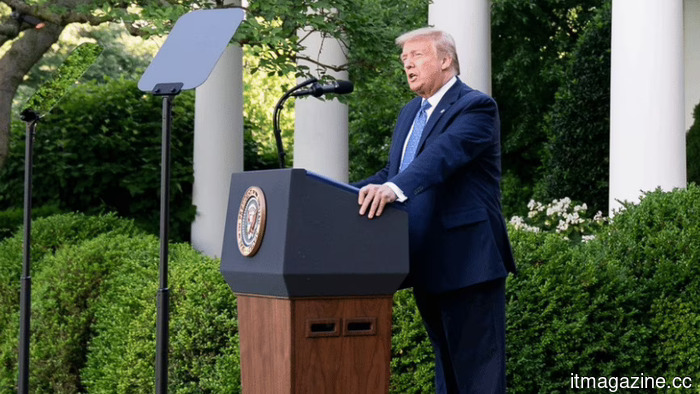
Trump's H-1B plan would raise the minimum salary for entry-level tech positions to approximately $162,000.
An entry-level software engineer in San Francisco would have to earn at least $162,000 annually to qualify for an H-1B visa based on a proposal from the Trump administration published in March. In Dallas, the same position would see a salary requirement of around $113,000, while in New York it would be $132,000. These figures represent an increase of nearly 30% above the existing minimums for each city.
The process for this is complex, but the effects are straightforward. The proposed rule by the Department of Labor, issued on March 27 and open for public comment until May 26, revamps how prevailing wages are determined for the H-1B and PERM visa programs. Currently, the lowest wage level (Level I, the entry-level tier) is based on the seventeenth percentile of Bureau of Labor Statistics earnings for that occupation in the respective metropolitan area. The new proposal would elevate this benchmark to the thirty-fourth percentile, while Level IV, the senior tier, would rise from the sixty-seventh percentile to the eighty-eighth. This adjustment would create a ripple effect through all intermediate levels.
According to estimates from the Department of Labor, the average increase across the system would be about $14,000 per affected role each year, with senior roles in high-cost areas experiencing significantly larger jumps. For instance, a Level IV data scientist in Silicon Valley could see their minimum salary rise by over $45,000. Legal analysis has suggested that in some occupations and metro areas, the new minimum could reach or exceed $208,000.
The administration's rationale is clear: the current wage thresholds, established in the 1990s, are considerably below market rates for American workers, especially for early-career engineers and recent graduates in STEM fields. By adjusting these bands upward in the percentile distribution, the proposal aims to eliminate the financial incentive for filling entry-level technical positions overseas. However, there is some debate about whether this will truly be the case or whether employers will simply hire fewer individuals overall.
This is not the only change impacting H-1B usage. In September 2025, a fee of $100,000 was introduced for new H-1B applications, replacing an earlier structure that ranged from $2,000 to $5,000. A federal judge upheld this fee in December, despite objections from the US Chamber of Commerce and a group of nineteen state attorneys general.
Amazon, the largest sponsor of H-1B visas, has more than 10,000 employees on this visa; major corporations like Microsoft, Meta, Apple, and Google sponsor thousands more. With the new wage requirement in addition to the application fee, the total cost for hiring an entry-level H-1B engineer in a major metropolitan area could increase by tens of thousands of dollars before the contract even begins.
This wage regulation affects an industry already altering its labor expenses in response to AI developments. The trend of companies like Meta and Microsoft shifting payroll resources to AI investments dominates the narrative in technology hiring, as seen with Atlassian's restructuring of 1,600 jobs in March. Over 78,000 tech workers were laid off in the first four months of 2026, with nearly half these job losses attributed to AI taking over tasks previously performed by humans. Hiring managers surveyed by Resume.org anticipate further cuts in the future.
Within this retrenchment, demand for AI-specialist positions has remained steady, while the need for entry-level and general software roles has diminished. Analysts have begun to refer to this situation as the AI-employment paradox. The new H-1B wage regulations will specifically affect the entry-level segment that is declining most rapidly, leading to expectations that fewer entry-level visas will be requested and that more work will likely be offshored or absorbed by AI tools rather than being brought back to American hires.
Conversely, some of the largest sponsors have stated they will absorb the increased costs. Nvidia's Jensen Huang dismissed the $100,000 fee when it was announced, asserting that the company would continue to sponsor necessary workers. Similar commitments have come from Anthropic, OpenAI, Microsoft, and Google, for whom the higher wage floor mainly affects the reporting of costs for H-1B hires rather than the decision to hire.
The most significant pressure will fall on smaller employers, IT service firms that have traditionally used H-1B visas for mid-level outsourced engineering positions, and the thousands of researchers, scientists, and engineers in the visa application pipeline who aren't at the top tier of skills.
Universities and research institutions will also be greatly impacted. The H-1B visa is a common pathway for foreign postdoctoral researchers and graduate students transitioning to U.S.-based roles. Increasing the wage floor compared to academic salary scales, which typically lag behind both private-sector wages and BLS percentiles, creates a structural conflict that the Department of Labor's proposal does not currently address. Organizations representing higher education have raised
Other articles
 OpenAI's Codex has now integrated into Chrome, bringing both valuable functionality and potential risks.
OpenAI's Codex Chrome extension brings the coding assistant into signed-in browser operations, enhancing its usefulness for practical tasks while also raising new concerns regarding access, permissions, and the risks associated with autonomous AI.
OpenAI's Codex has now integrated into Chrome, bringing both valuable functionality and potential risks.
OpenAI's Codex Chrome extension brings the coding assistant into signed-in browser operations, enhancing its usefulness for practical tasks while also raising new concerns regarding access, permissions, and the risks associated with autonomous AI.
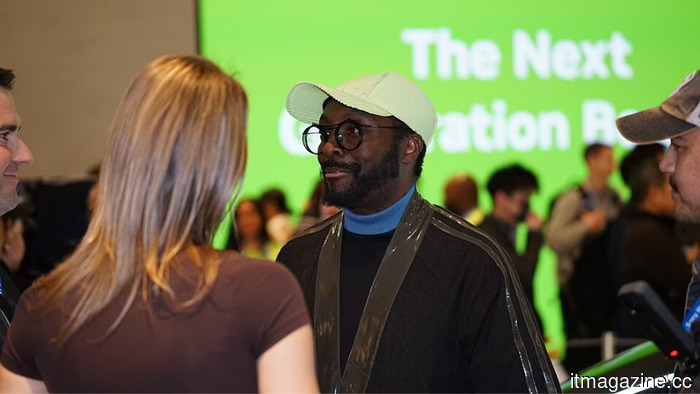 will.i.am's course at ASU instructed 75 students on creating AI agents, coinciding with the tech sector laying off 73,000 employees in a span of four months.
will.i.am co-taught a course titled "The Agentic Self" at Arizona State University, where students created AI agents aimed at aiding veterans and street vendors. During that same semester, the tech industry saw a reduction of 73,000 jobs.
will.i.am's course at ASU instructed 75 students on creating AI agents, coinciding with the tech sector laying off 73,000 employees in a span of four months.
will.i.am co-taught a course titled "The Agentic Self" at Arizona State University, where students created AI agents aimed at aiding veterans and street vendors. During that same semester, the tech industry saw a reduction of 73,000 jobs.
 Hugging Face and ClawHub faced compromises involving hundreds of harmful AI models and agent skills as supply chain attacks aimed at AI infrastructure.
Hugging Face has 352,000 issues related to unsafe models. ClawHub's registry includes 341 skills of malicious AI agents. Currently, the AI supply chain is the most appealing target in the realm of software security.
Hugging Face and ClawHub faced compromises involving hundreds of harmful AI models and agent skills as supply chain attacks aimed at AI infrastructure.
Hugging Face has 352,000 issues related to unsafe models. ClawHub's registry includes 341 skills of malicious AI agents. Currently, the AI supply chain is the most appealing target in the realm of software security.
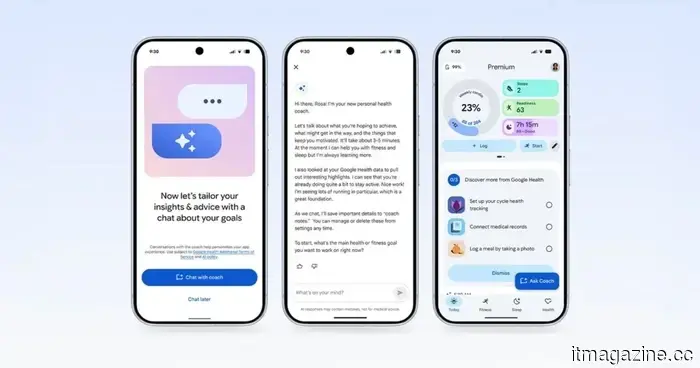 Google is introducing an AI Health Coach. Here are the details.
Google has unveiled the Google Health Coach, a personal wellness assistant powered by Gemini, integrated into a revamped Google Health app. Here's all the essential information regarding pricing, features, and availability.
Google is introducing an AI Health Coach. Here are the details.
Google has unveiled the Google Health Coach, a personal wellness assistant powered by Gemini, integrated into a revamped Google Health app. Here's all the essential information regarding pricing, features, and availability.
 This excessively designed smartwatch features two cameras and transforms into an action camera.
The Huawei Watch Kids X1 Pro features front and rear cameras, a removable body akin to an action camera, location tracking, video calling capabilities, and is equipped with an 850mAh battery.
This excessively designed smartwatch features two cameras and transforms into an action camera.
The Huawei Watch Kids X1 Pro features front and rear cameras, a removable body akin to an action camera, location tracking, video calling capabilities, and is equipped with an 850mAh battery.
 Hugging Face and ClawHub were breached, resulting in the compromise of numerous malicious AI models and agent capabilities as supply chain attacks focus on AI infrastructure.
Hugging Face has 352,000 issues related to unsafe models. ClawHub's repository includes 341 skills for malicious AI agents. Currently, the AI supply chain is the most appealing target in software security.
Hugging Face and ClawHub were breached, resulting in the compromise of numerous malicious AI models and agent capabilities as supply chain attacks focus on AI infrastructure.
Hugging Face has 352,000 issues related to unsafe models. ClawHub's repository includes 341 skills for malicious AI agents. Currently, the AI supply chain is the most appealing target in software security.
Trump's H-1B plan would raise the minimum salary for entry-level tech positions to approximately $162,000.
A rule from the Trump administration would increase H-1B prevailing wages by as much as approximately 30% at the entry-level tier, setting the minimum salary for foreign tech workers in San Francisco at $162,000.