
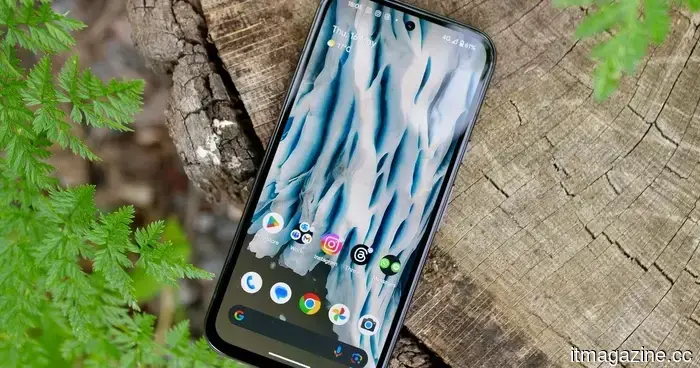
I'm using an old Pixel 8a in 2026, and I'm grateful for it during my recent vacation.
I didn’t take the Pixel 8a to Camiguin to make a statement. I brought it along because it remains my phone, two years after purchasing it as a temporary solution when my OnePlus 7 Pro stopped working. This is frustrating, as I didn't expect to like it for this long.
Spending a week on the island provided plenty of opportunities for it to fail. I relied on it for navigation, capturing island-hopping photos, playing music via Bluetooth, making online payments, and the usual checks when no one could find the booking screenshot.
The Pixel 8a consistently reminded me that it’s a budget phone. Charging took a while, which was noticeable. However, I was pleasantly surprised by how much of the core Pixel experience still performed well: reliable performance, a decent camera, basic durability, and Google's photo processing.
The budget phone actually did the job.
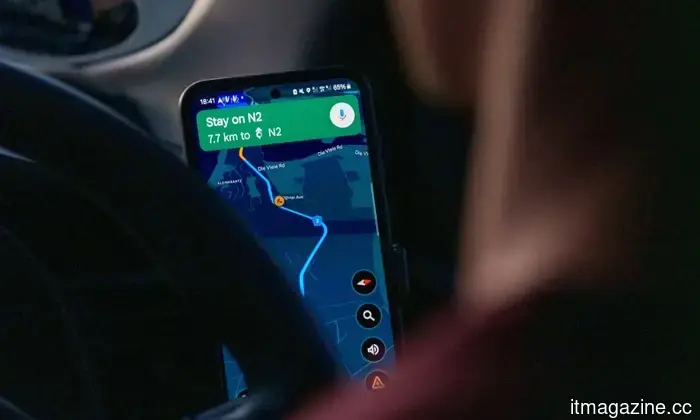
The first significant test was navigation, as I had taken on the role of the designated map reader. Camiguin made it interesting with winding island roads, unfamiliar turns, and areas with weak signals.
The Pixel 8a managed the task smoothly. The GPS remained stable, Google Maps functioned properly, and I never experienced a vacation meltdown where the phone lost its location.
Dual SIM support was also beneficial, especially when one signal started acting up.
I had the least faith in the battery, so I played it safe. I activated battery saver at 100% because I wanted to prevent background apps from draining the battery while the phone was in use. It was a questionable tactic, but it yielded good results.
The closest I came to a problem was on the return trip to the city. I was using the Pixel 8a for navigation and Bluetooth music simultaneously. By the time we arrived at the hotel, the battery had dropped to 4%. Luckily, that leftover 4% was just enough for me to make an online payment at the front desk.
The camera performed like a Pixel.
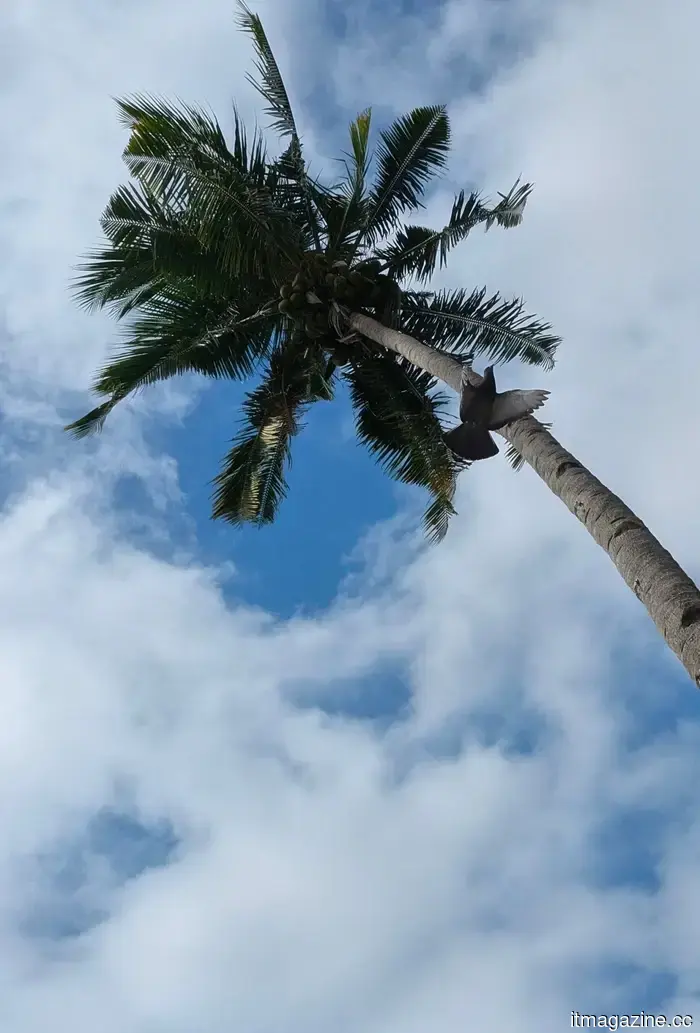
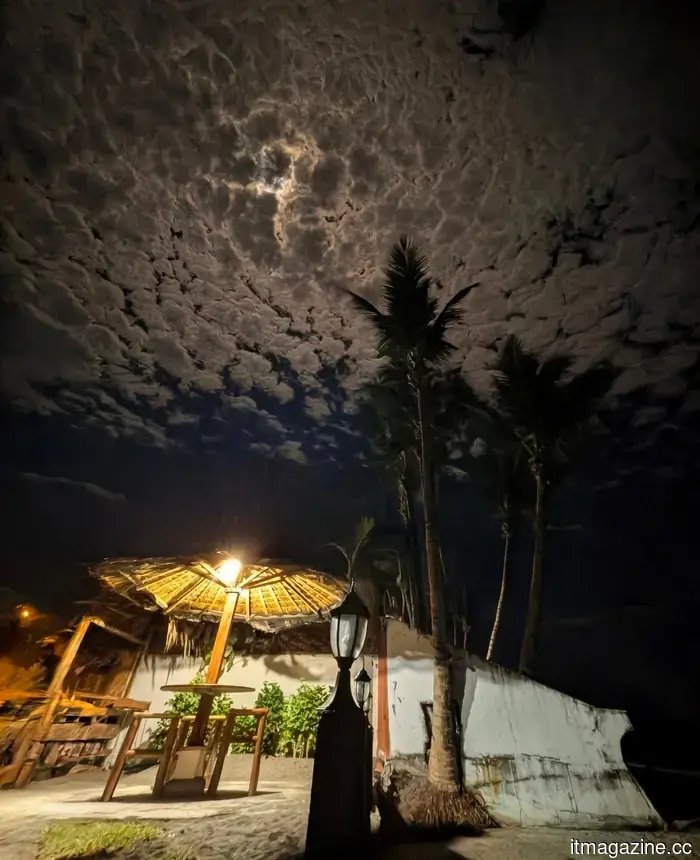
The camera impressed me the most. Bright beaches, food shots, roadside snaps, and night scenes should have revealed its limitations quickly.
Instead, the photos consistently turned out better than I anticipated. Google’s processing enhanced ordinary pictures without making them look artificial, and Google Photos’ AI tools were helpful when a photo needed a little extra touch.
Performance was unremarkable, which is a compliment.
I didn't encounter instances of apps reloading, unexpected slowdowns, or reminders that this was supposed to be the budget option.
Charging was slow, and the screen brightness struggled in outdoor settings. These issues were noticeable but did not dominate my experience.
I didn’t have to treat it with kid gloves.
The Pixel 8a excelled on vacation because I didn’t have to consider it as something delicate with a SIM card attached.
If I had taken a high-end flagship, I would have been more wary of water, sand, heat, bags, and every table where phones seemed to slide toward danger.
It was reliable enough to trust, affordable enough not to be overly precious about, and sturdy enough that I didn’t spend the week worrying about repair costs. It’s an odd situation when a phone like the Pixel 8a ages this well. It benefits me, but it’s inconvenient for an industry that needs older phones to seem outdated. Planned obsolescence doesn't always mean a device will break down suddenly. Sometimes, it just means making a perfectly functional phone feel a bit embarrassing.
After a week in Camiguin, the urge to upgrade to a flagship felt ridiculous.
It was meant to be a temporary solution, but two years later, it has become the phone I rely on when I need one less thing to worry about during a trip.


Other articles
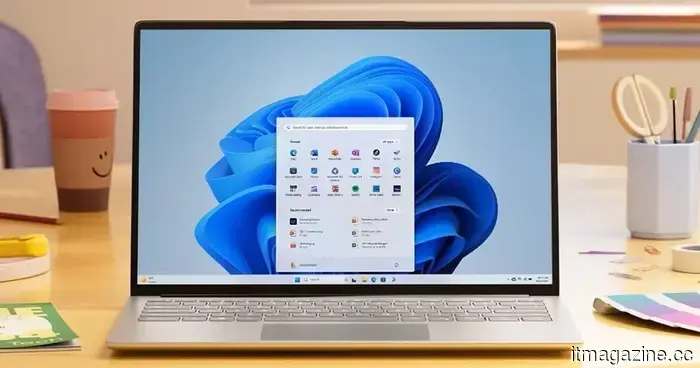 How to verify if your Windows PC is prepared for the secure boot certificate expiration in June 2026.
Not all Windows PCs will automatically receive the new Secure Boot certificates ahead of the June 2026 deadline. Here's how to verify yours and address any issues before they arise.
How to verify if your Windows PC is prepared for the secure boot certificate expiration in June 2026.
Not all Windows PCs will automatically receive the new Secure Boot certificates ahead of the June 2026 deadline. Here's how to verify yours and address any issues before they arise.
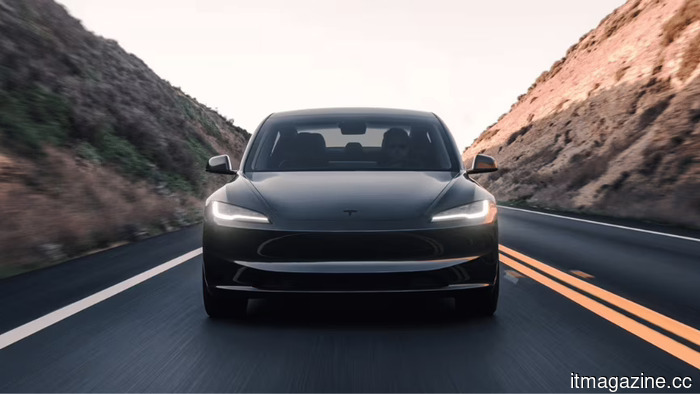 Tesla offers the Shanghai-manufactured Model 3 in Canada for C$39,490 following the Carney-Beijing agreement that reduces the Chinese EV tariff to 6.1%.
The Model 3 produced in Shanghai by Tesla is priced at C$39,490 in Canada, thanks to Carney's trade agreement with Beijing. The quota of 49,000 vehicles allows for the import of Chinese electric vehicles to Canada with a tariff of 6.1%.
Tesla offers the Shanghai-manufactured Model 3 in Canada for C$39,490 following the Carney-Beijing agreement that reduces the Chinese EV tariff to 6.1%.
The Model 3 produced in Shanghai by Tesla is priced at C$39,490 in Canada, thanks to Carney's trade agreement with Beijing. The quota of 49,000 vehicles allows for the import of Chinese electric vehicles to Canada with a tariff of 6.1%.
 OpenAI has made ChatGPT subscriptions available to OpenClaw's 3.2 million users, while Anthropic restricts Claude access to the AI agent platform.
ChatGPT subscribers now have the ability to utilize OpenClaw's AI agents through GPT-5.4 for a monthly fee of $23. Anthropic has restricted access to Claude. OpenAI and Anthropic have taken opposing approaches on the same product.
OpenAI has made ChatGPT subscriptions available to OpenClaw's 3.2 million users, while Anthropic restricts Claude access to the AI agent platform.
ChatGPT subscribers now have the ability to utilize OpenClaw's AI agents through GPT-5.4 for a monthly fee of $23. Anthropic has restricted access to Claude. OpenAI and Anthropic have taken opposing approaches on the same product.
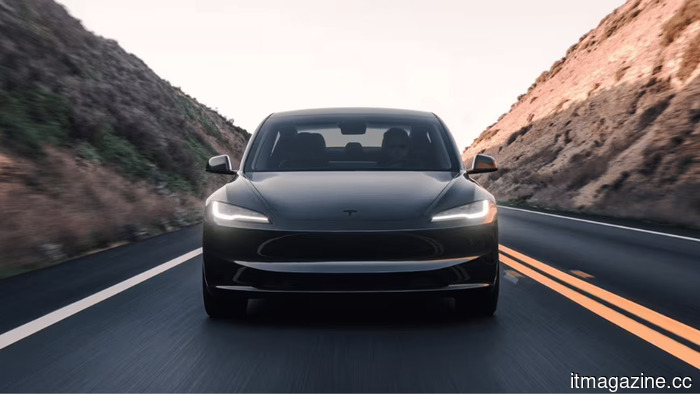 Tesla offers the Shanghai-manufactured Model 3 in Canada for C$39,490 following a Carney-Beijing agreement that reduces the Chinese electric vehicle tariff to 6.1%.
The Model 3 produced in Shanghai by Tesla arrives in Canada priced at C$39,490, thanks to Carney's trade agreement with Beijing. The 49,000-vehicle quota allows Chinese electric vehicles to enter Canada with a tariff of 6.1%.
Tesla offers the Shanghai-manufactured Model 3 in Canada for C$39,490 following a Carney-Beijing agreement that reduces the Chinese electric vehicle tariff to 6.1%.
The Model 3 produced in Shanghai by Tesla arrives in Canada priced at C$39,490, thanks to Carney's trade agreement with Beijing. The 49,000-vehicle quota allows Chinese electric vehicles to enter Canada with a tariff of 6.1%.
 Grok is set to be integrated with CarPlay as iOS 26.4 transforms the car dashboard into the next battleground for AI platforms.
Grok has been added to CarPlay alongside ChatGPT, Perplexity, Claude, and Gemini following the release of iOS 26.4, which allowed AI chatbots on the platform. The car dashboard has become the most competitive interface in technology.
Grok is set to be integrated with CarPlay as iOS 26.4 transforms the car dashboard into the next battleground for AI platforms.
Grok has been added to CarPlay alongside ChatGPT, Perplexity, Claude, and Gemini following the release of iOS 26.4, which allowed AI chatbots on the platform. The car dashboard has become the most competitive interface in technology.
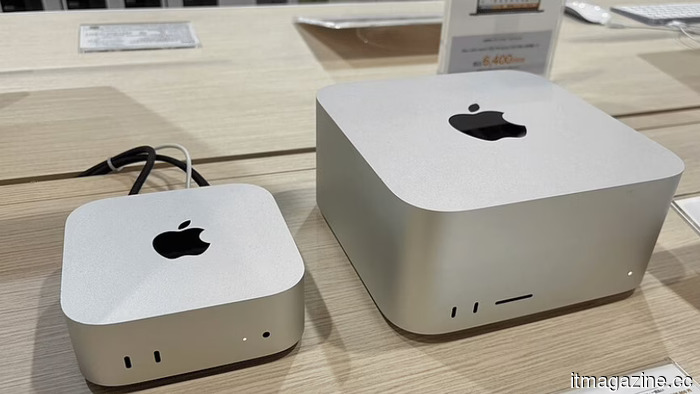 Apple discontinues the $599 Mac Mini as the demand for DRAM in AI data centers leads to an unprecedented 90% increase in memory prices and a worldwide shortage.
Apple has stopped producing the 256GB Mac Mini due to a 90% increase in DRAM prices in the first quarter of 2026. AI servers currently account for 23% of worldwide memory wafer production, resulting in a 10-20% rise in PC prices.
Apple discontinues the $599 Mac Mini as the demand for DRAM in AI data centers leads to an unprecedented 90% increase in memory prices and a worldwide shortage.
Apple has stopped producing the 256GB Mac Mini due to a 90% increase in DRAM prices in the first quarter of 2026. AI servers currently account for 23% of worldwide memory wafer production, resulting in a 10-20% rise in PC prices.
I'm using an old Pixel 8a in 2026, and I'm grateful for it during my recent vacation.
My previous Pixel 8a could have easily felt low-quality during my vacation. Instead, it highlighted how unnecessary the urge to upgrade to a flagship really was.