
I was impressed by the iPhone 17, but I would still suggest the iPhone 16 to most users.
While using the iPhone 17, I picked up my iPhone 16 to watch an older video and had an epiphany: the iPhone 16 felt just as good as its newer counterpart. It wasn’t slower, the design didn’t seem drastically different, and there was nothing about it that felt “old” or “outdated.” This realization lingered with me for several days.
The smartphone industry has conditioned us to perceive each annual upgrade, no matter how small, as something significant. However, after switching back to the iPhone 16 from using the iPhone 17 for more than six months, I realized that wasn’t necessarily true. We become so fixated on identifying the slightest differences in specifications that we overlook the fact that a company's product cycle doesn’t equate to obsolescence.
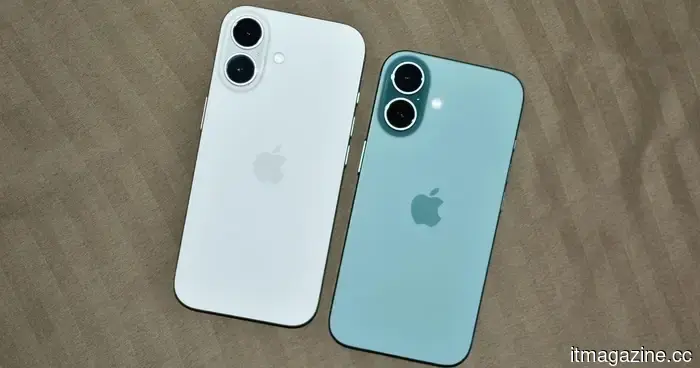
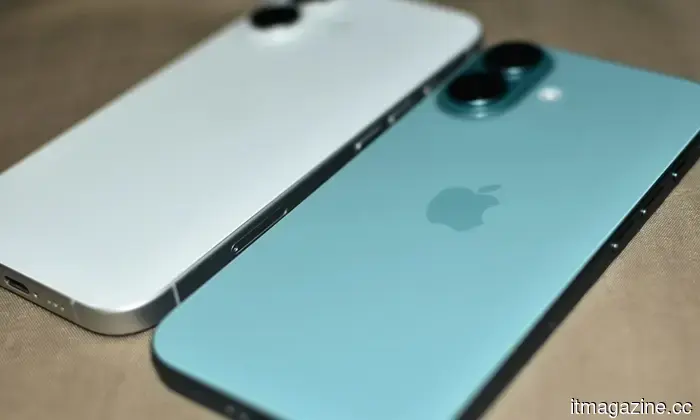
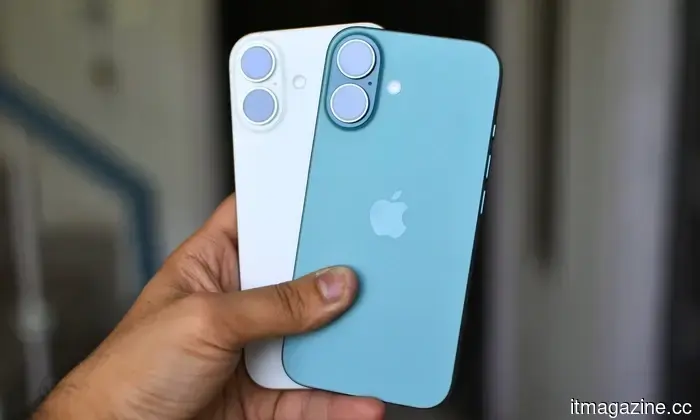
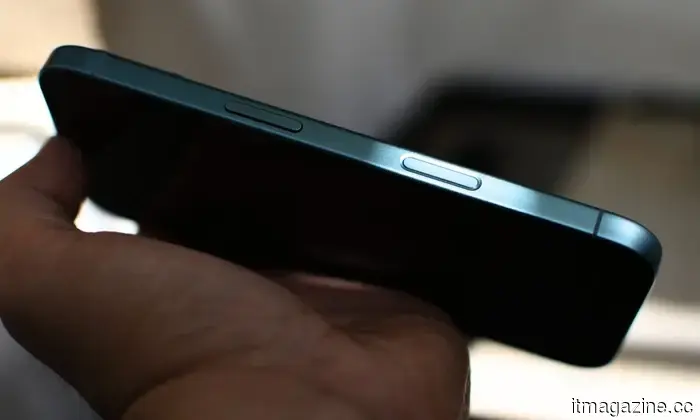
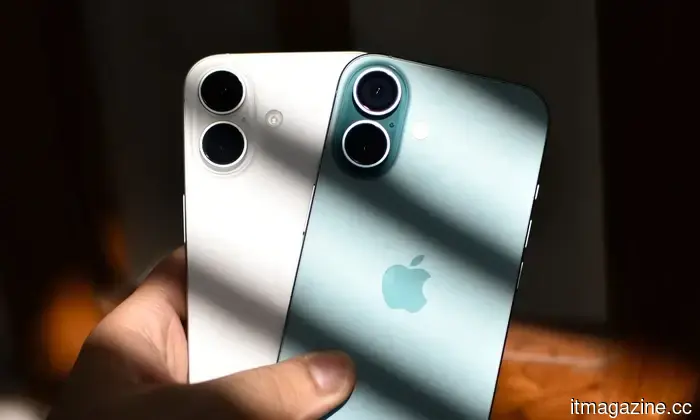
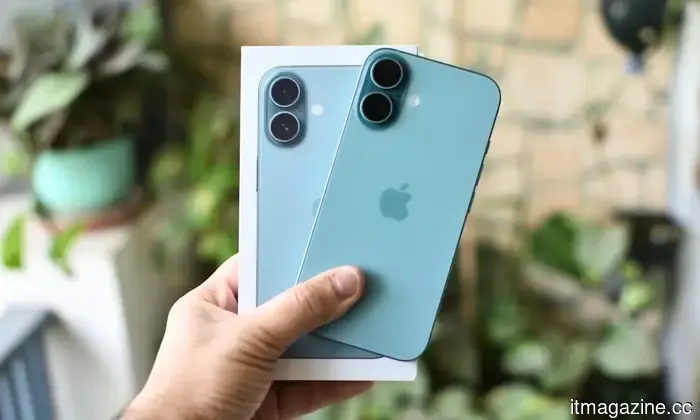
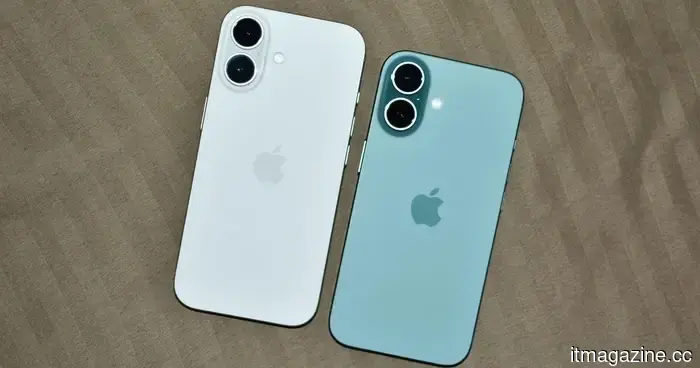
When I took the iPhone 16 out of my drawer, it was striking to see its cool aluminum frame and matte glass back in Teal, which made me smile. I then compared it directly with my iPhone 17.
Ignoring the larger size due to the bigger screen and the different finishes, the iPhone 16 shares all of its design features—like the Dynamic Island on the front and the vertical camera setup on the back—with the iPhone 17.
This made me realize that the iPhone 16 doesn’t seem particularly outdated against its successor.
Over the following days, I began using the iPhone 16 as my main phone to see if I could notice any performance differences, leading to a nuanced conclusion.
Had the iPhone 16 included a 120Hz ProMotion display, it would have felt as fluid as the newer iPhone 17. This is why devices like the Pixel 10a can feel smooth, despite having less powerful chipsets.
However, even in third-party applications that only offer a 60Hz refresh rate, distinguishing between the performances of the two phones was challenging, unless timing the export of the same video through a third-party editing app.
The A19 chip in the iPhone 17 is only around 8-10% faster than the A18 chip in the iPhone 16—a difference most users won’t notice in regular tasks.
After taking over 4,000 photos and 800 videos on my iPhone 16 for months, I found that the 48MP camera still performs admirably next to those from the iPhone 17. The color accuracy, skin tones, dynamic range, and image detail have not faltered.
While the 12MP ultrawide and 12MP selfie cameras may seem like weaknesses of the iPhone 16, particularly with the camera hardware upgrades in the iPhone 17, how much this affects you depends on your usage and needs. Notably, the iPhone 16 has a Camera Control button, which I find extremely useful.
The battery life on my iPhone 16 remains strong, lasting a full day on a single charge, even at 91% battery health, and supports the same MagSafe accessories that I use with my iPhone 17. These observations highlighted how the latest iPhone features largely represent useful but mostly incremental improvements, with the overall experience feeling remarkably similar aside from a few differences.
Considering the facts, along with the iPhone 16's current price of $699 for the base model with 128GB of storage, I concluded that the iPhone 16 isn't merely last year's model, but arguably the most practical choice for most users who understand its compromises.
If you're upgrading from an older Android device or an iPhone 11 or 12, the iPhone 16 offers a great balance between a worthwhile and affordable upgrade.
That said, there are valid reasons to consider upgrading to the iPhone 17. If features like a smoother 120Hz display, a brighter screen, enhanced ultrawide and front cameras, and improved battery life are important to you, particularly if you're coming from a relatively newer model like the iPhone 14 or 15, then the iPhone 17 may present a more noticeable upgrade.
Other articles
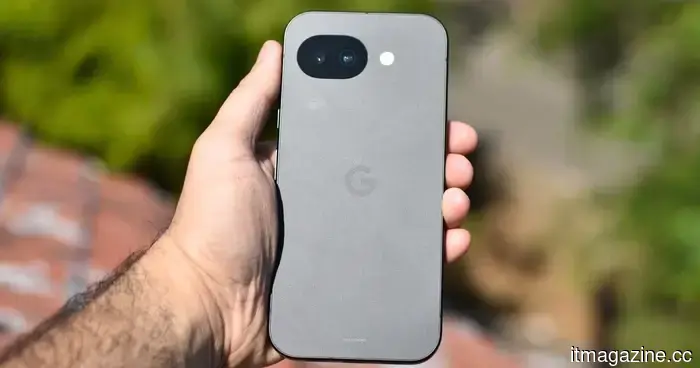 I spent several weeks using the Pixel 10a, and now the discussion about its specifications no longer concerns me.
Spending four weeks with the Pixel 10a made it clear that relying on the spec sheet is truly not the right way to evaluate this phone, and our fixation on it says more about ourselves than it does about the device.
I spent several weeks using the Pixel 10a, and now the discussion about its specifications no longer concerns me.
Spending four weeks with the Pixel 10a made it clear that relying on the spec sheet is truly not the right way to evaluate this phone, and our fixation on it says more about ourselves than it does about the device.
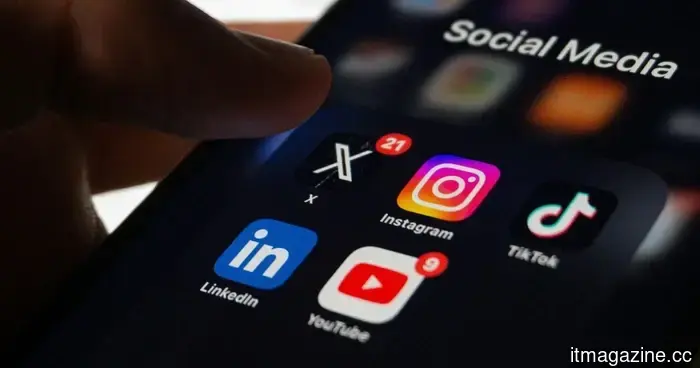 X launches the XChat messaging application for iPhone users.
X has introduced XChat on iOS, a separate messaging application designed to broaden its ecosystem and rival well-known chat platforms by emphasizing privacy features and social connectivity.
X launches the XChat messaging application for iPhone users.
X has introduced XChat on iOS, a separate messaging application designed to broaden its ecosystem and rival well-known chat platforms by emphasizing privacy features and social connectivity.
 Atech secures pre-seed funding from Sequoia, a16z, and Lovable.
Atech has secured pre-seed funding from Nordic Makers, Lovable, the Sequoia Scout Fund, and the a16z Scout Fund to develop a hardware prototyping platform focused on natural language.
Atech secures pre-seed funding from Sequoia, a16z, and Lovable.
Atech has secured pre-seed funding from Nordic Makers, Lovable, the Sequoia Scout Fund, and the a16z Scout Fund to develop a hardware prototyping platform focused on natural language.
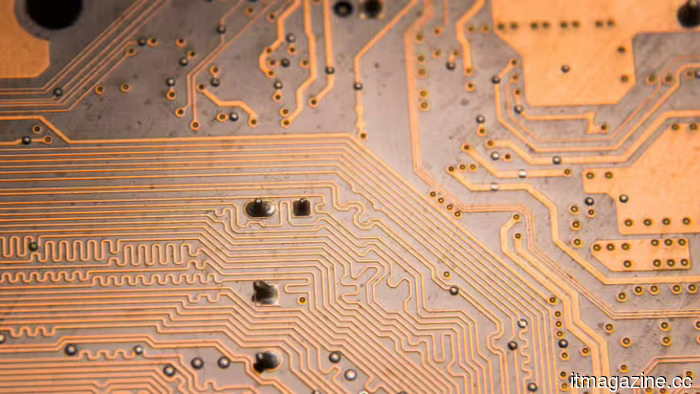 The Iran conflict is affecting the AI supply chain significantly.
Iranian attacks on SABIC's Jubail facility disrupted 70% of the worldwide supply of PPE resin, resulting in a 40% increase in PCB prices in April.
The Iran conflict is affecting the AI supply chain significantly.
Iranian attacks on SABIC's Jubail facility disrupted 70% of the worldwide supply of PPE resin, resulting in a 40% increase in PCB prices in April.
 The iPhone 17 impressed me, yet I would still suggest the iPhone 16 to the majority of individuals.
Returning to the iPhone 16 after using the iPhone 17 for six months made me realize that a one-year difference in the product cycle and a one-tier variation in quality are not equivalent.
The iPhone 17 impressed me, yet I would still suggest the iPhone 16 to the majority of individuals.
Returning to the iPhone 16 after using the iPhone 17 for six months made me realize that a one-year difference in the product cycle and a one-tier variation in quality are not equivalent.
 If you believe that managing a celebrity fan page on social media is easy, reconsider that notion.
Managing a celebrity fan page isn’t as simple as it appears. What may seem like innocent fandom on the internet can quickly evolve into a demanding, full-time responsibility.
If you believe that managing a celebrity fan page on social media is easy, reconsider that notion.
Managing a celebrity fan page isn’t as simple as it appears. What may seem like innocent fandom on the internet can quickly evolve into a demanding, full-time responsibility.
I was impressed by the iPhone 17, but I would still suggest the iPhone 16 to most users.
Returning to the iPhone 16 after using the iPhone 17 for six months has shown me that a one-year gap in product cycles and a single tier difference in quality are not equivalent.