
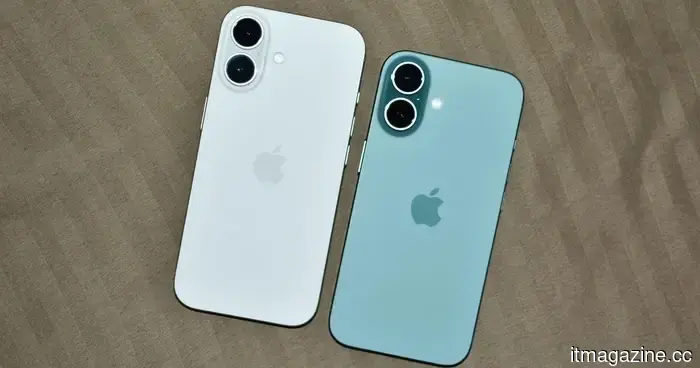
The iPhone 17 impressed me, yet I would still suggest the iPhone 16 to the majority of individuals.
I was using the iPhone 17 when I grabbed my iPhone 16 to check out an older video, and it sparked a realization: the iPhone 16 didn’t seem any less appealing than its successor. It was not noticeably slower, the design was similarly appealing, and nothing about it signaled that it was “old” or “outdated.” That impression lingered with me for several days.
Through the years, the smartphone industry has conditioned us to see each year’s updates (regardless of how small) as momentous, but after reverting to the iPhone 16 from the iPhone 17, which I had used for over six months, I understood that this wasn't true. We often focus so much on minute changes in the specifications that we overlook that a company's product cycle does not equate to obsolescence.
Shikhar Mehrotra / Digital Trends
A phone that doesn't feel outdated compared to its predecessor
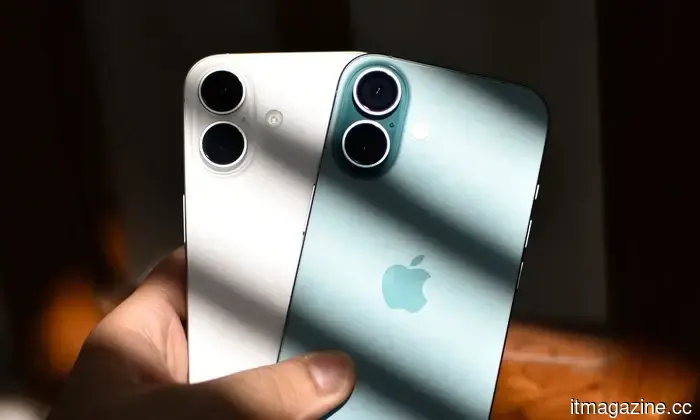
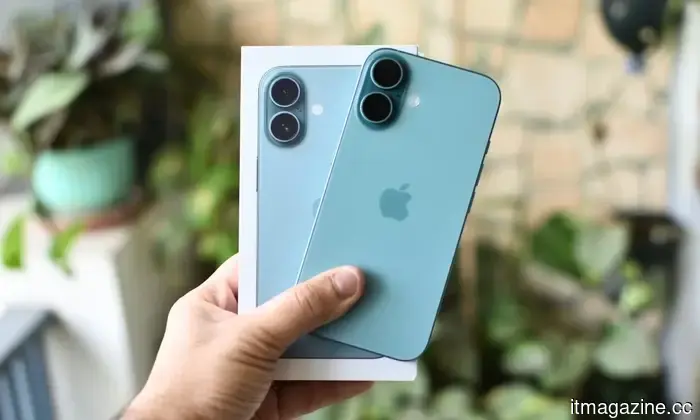
When I took out the iPhone 16, which was resting without a case in my drawer, I immediately noticed its cool aluminum frame and matte glass back in the Teal finish, which made me smile. Moments later, I held my iPhone 17 alongside it.
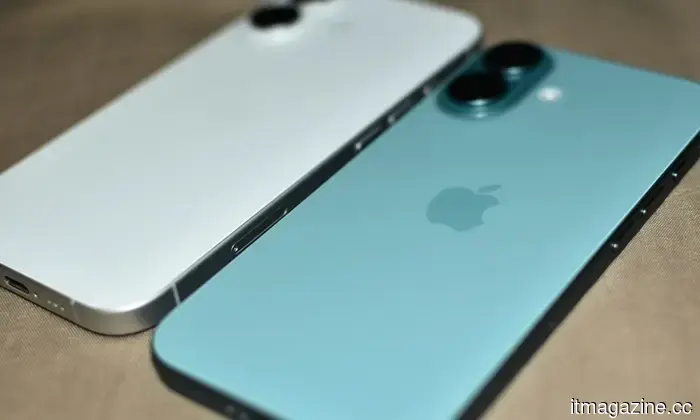
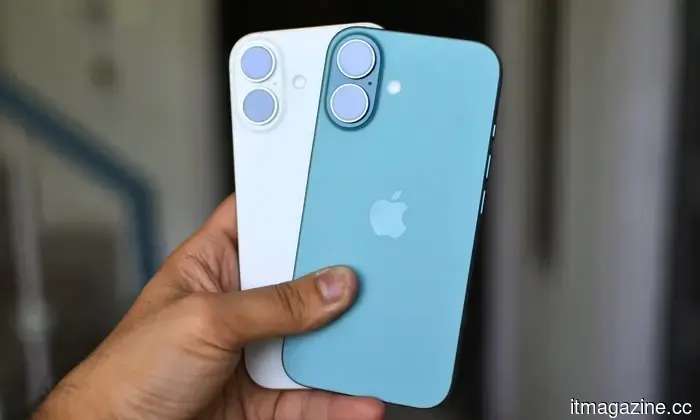
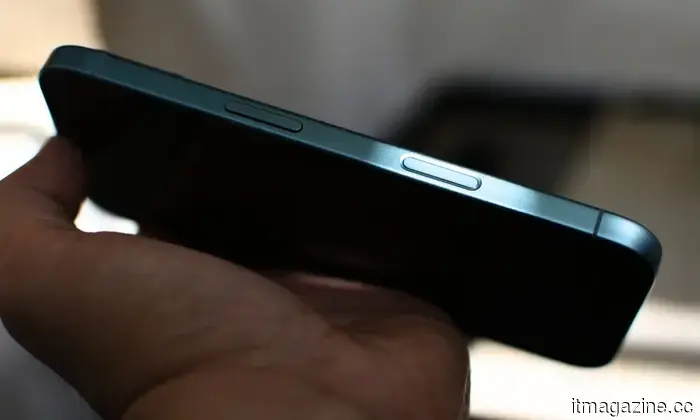
Aside from the larger size (due to the bigger screen) and different finishes, the iPhone 16 shares all its design aspects, including the Dynamic Island on the front, the vertical camera layout on the back, and the buttons (including the Action button and Camera Control) with the iPhone 17.
It then struck me: the iPhone 16 doesn’t feel particularly old, even beside its successor.
Shikhar Mehrotra / Digital Trends
The chip gap isn’t as significant as the ProMotion display suggests
Over the following days, I began using the phone as my main device to determine if there were any noticeable performance differences, and I arrived at a rather nuanced conclusion.
Had Apple included a 120Hz ProMotion display in the iPhone 16, it would have felt as smooth as the new iPhone 17. This explains why the Pixel 10a feels smooth even with a less powerful chipset.
Shikhar Mehrotra / Digital Trends
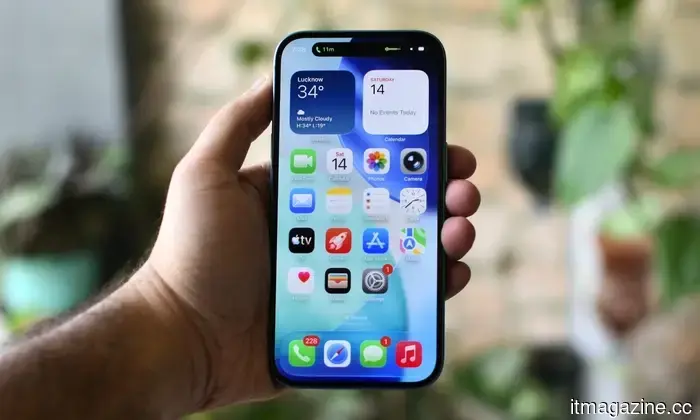
Additionally, even in third-party applications that only support a 60Hz refresh rate, it was quite difficult to distinguish between the two phones in terms of performance (except when timing the export of the same video using a third-party editing app).
The A19 chip in the iPhone 17 is only about 8-10% faster than the A18 chip in the iPhone 16; this difference is something most users will hardly notice during their daily tasks.
4,000 photos later, the main camera still holds its own
More importantly, both phones are fully compatible with iOS 26 and support all available Apple Intelligence features. Another major commonality between them is their primary camera.
Having taken over 4,000 photos and 800 videos on my iPhone 16 as my daily driver for several months, I find that the 48MP camera performs very well, even compared to the iPhone 17. The color accuracy and skin tones remain true, dynamic range is usually impressive, and the details in photos are ample.
Shikhar Mehrotra / Digital Trends
I would say the 12MP ultrawide and 12MP front cameras could be seen as the weak points of the iPhone 16, especially since Apple upgraded the camera hardware in the iPhone 17, but how much this affects you depends on how often you use these cameras and for what purposes. More importantly, the iPhone 16 includes a Camera Control button, which I personally find to be very handy.
All-day battery and MagSafe convenience at an affordable price
The battery on my iPhone 16 maintains a health of 91% and still lasts a full day on a single charge, supporting the same MagSafe accessories (wireless power bank and wallet) I use with my iPhone 17. All of this led me to realize that Apple’s latest iPhone is built on practical yet largely incremental updates, and the overall experience can feel strikingly similar, aside from a few differences.
Shikhar Mehrotra / Digital Trends
iPhone 16 | What iPhone 17 Adds
---
60Hz OLED display, 2,000 nits peak | 120Hz ProMotion OLED, brighter display
A18 chip, full Apple Intelligence | A19 chip, ~8-10% faster, improved efficiency
48MP main + 12MP ultrawide | 48MP main + 48MP ultrawide (major upgrade)
12MP front camera | 12MP Center Stage front camera
6.1-inch compact form factor | Slightly larger screen
MagSafe, same accessory ecosystem | Same MagSafe ecosystem
Camera Control + Action button | Same buttons
Full iOS 26 + Apple Intelligence |
Other articles
 DeepSeek reduces V4-Pro prices by 75%.
DeepSeek is providing a 75% discount on V4-Pro until May 5 and reducing API cache hit prices to one-tenth across its entire range of products.
DeepSeek reduces V4-Pro prices by 75%.
DeepSeek is providing a 75% discount on V4-Pro until May 5 and reducing API cache hit prices to one-tenth across its entire range of products.
 X launches the XChat messaging application for iPhone users.
X has introduced XChat for iOS, a standalone messaging application designed to enhance its ecosystem and compete with well-known chat platforms by prioritizing privacy features and social integration.
X launches the XChat messaging application for iPhone users.
X has introduced XChat for iOS, a standalone messaging application designed to enhance its ecosystem and compete with well-known chat platforms by prioritizing privacy features and social integration.
 Atech secures pre-seed funding from Sequoia, a16z, and Lovable.
Atech has secured pre-seed funding from Nordic Makers, Lovable, the Sequoia Scout Fund, and the a16z Scout Fund to develop a hardware prototyping platform focused on natural language.
Atech secures pre-seed funding from Sequoia, a16z, and Lovable.
Atech has secured pre-seed funding from Nordic Makers, Lovable, the Sequoia Scout Fund, and the a16z Scout Fund to develop a hardware prototyping platform focused on natural language.
 Apple is focusing on ten new product categories in the years ahead.
Apple is said to be planning significant product expansion under its new leadership, with developments underway for foldable devices, AI wearables, and smart home gadgets.
Apple is focusing on ten new product categories in the years ahead.
Apple is said to be planning significant product expansion under its new leadership, with developments underway for foldable devices, AI wearables, and smart home gadgets.
 DeepSeek reduces V4-Pro prices by 75%.
DeepSeek is providing a 75% discount on V4-Pro until May 5 and reducing API cache hit prices to one-tenth across its entire range of products.
DeepSeek reduces V4-Pro prices by 75%.
DeepSeek is providing a 75% discount on V4-Pro until May 5 and reducing API cache hit prices to one-tenth across its entire range of products.
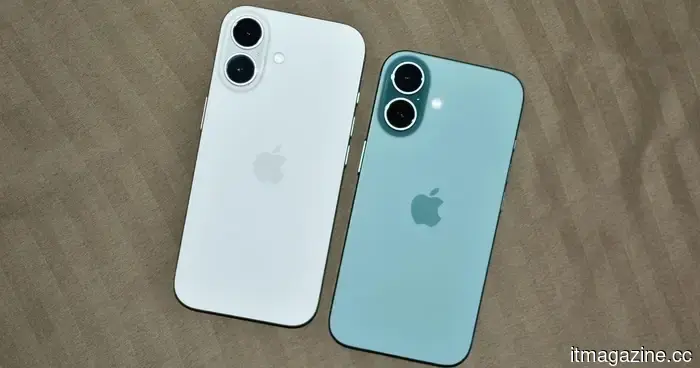 I was impressed by the iPhone 17, but I would still suggest the iPhone 16 to most users.
Returning to the iPhone 16 after using the iPhone 17 for six months has shown me that a one-year gap in product cycles and a single tier difference in quality are not equivalent.
I was impressed by the iPhone 17, but I would still suggest the iPhone 16 to most users.
Returning to the iPhone 16 after using the iPhone 17 for six months has shown me that a one-year gap in product cycles and a single tier difference in quality are not equivalent.
The iPhone 17 impressed me, yet I would still suggest the iPhone 16 to the majority of individuals.
Returning to the iPhone 16 after using the iPhone 17 for six months made me realize that a one-year difference in the product cycle and a one-tier variation in quality are not equivalent.