

Palantir, Thales, and a startup are in competition to develop the FAA's predictive AI for air traffic.
In summary: The FAA is creating an AI system named SMART (Strategic Management of Airspace Routing Trajectories) that aims to extend the prediction of air traffic conflicts from a current window of 15 minutes to two hours. Palantir, Thales, and Air Space Intelligence are vying for the contract. This initiative follows the LaGuardia crash, which highlighted the issues of controller fatigue and outdated systems, and is part of a $32.5 billion modernization plan that will replace 612 outdated radar systems and hire 1,200 new controllers in fiscal 2026.
The Federal Aviation Administration is developing an AI system referred to as SMART, which will enable air traffic controllers to forecast and address flight conflicts up to two hours ahead of time, compared to the existing 15-minute planning window. The contract is being contested by three companies: Palantir, Thales, and Air Space Intelligence. Transportation Secretary Sean Duffy announced the project along with the three contenders on April 17, with a press event planned for April 21 to provide additional information.
SMART uses advanced 4D modeling to predict potential bottlenecks and schedule conflicts before flights depart. This system aims to transition air traffic management from a reactive to a proactive approach, tackling the basic issue that current infrastructure was built for a lower volume of traffic and requires controllers to make real-time decisions with limited foresight. The FAA has mentioned that the system could be operational in some capacity later this year.
Regarding the three bidders, Palantir Technologies has the strongest government ties among the trio. Its revenue forecast for 2026 is around $7.2 billion, marking a 61% increase, fueled by a $10 billion ceiling-value Army contract signed in July 2025 and growing collaborations with GE Aerospace and Airbus. In the fourth quarter of 2025, Palantir's government revenue rose by 70% year over year. The company's proposal for aviation AI builds on its core business of processing large amounts of operational data and providing decision-making support for government users without requiring them to comprehend the underlying models.
Thales, a European aerospace and defense company, has over 85 years of experience supplying air traffic management systems to both the FAA and the Department of Defense. More than 99% of instrument landing systems at US airports operate using Thales technology. Its TopSky platform is already integrated into the aviation infrastructure that SMART will incorporate, giving Thales an advantage over its competitors.
Air Space Intelligence, a Boston startup supported by Andreessen Horowitz, is the smallest contender but notably relevant. Its Flyways AI platform currently manages over 40% of US air traffic through partnerships with major airlines, utilizing the same 4D modeling and optimization that SMART requires. ASI recently entered into a partnership with Joby Aviation to integrate electric air taxis into the national airspace, placing the company at the crossroads of current air traffic management and the future of aviation.
The significance of this endeavor is pressing. On March 22, Air Canada Express Flight 8646 collided with a fire truck on the runway at LaGuardia Airport. The investigation indicated that the air traffic controller was simultaneously performing as both the tower controller and clearance delivery controller, and the automated runway safety system failed to alert as it couldn’t establish a reliable track when vehicles merged near the runway. This incident underscored an issue the aviation sector has been cautioning about: controllers are overburdened, the technology is outdated, and the safety margin is diminishing with increasing traffic levels.
The FAA has secured $12.5 billion from Congress for modernizing air traffic control and estimates it will need an additional $20 billion to complete the renovations. The agency is replacing 612 obsolete radar systems, transitioning its NOTAM system to a cloud-based platform, and aggressively recruiting controllers, having already hired nearly 1,200 new controllers in fiscal 2026, about half of its annual goal. FAA Administrator Bryan Bedford, confirmed by Congress and sworn in last July, has prioritized SMART within the modernization initiative.
Elon Musk's Department of Government Efficiency (DOGE) has also engaged with FAA operations. DOGE personnel have evaluated air traffic control facilities, and Musk has stated this initiative will implement “rapid safety upgrades” to air traffic control systems. Another effort, known as Project Lift, is channeling FAA funds towards enhancing network communications. Although DOGE is slated to conclude operations on July 4, a successor organization will persist.
The competitive landscape involves Palantir, Thales, and Air Space Intelligence, reflecting three unique strategies in government AI procurement. Palantir provides a flexible platform adaptable to various government applications, supported by significant security credentials and established relationships. Thales offers unparalleled expertise and an existing infrastructure that no rival can match. ASI presents a tailored aviation AI platform already managing a considerable portion of the FAA’s traffic.
The FAA's track record with technology upgrades has been problematic, as evidenced by the lengthy and costly NextGen program,
Other articles
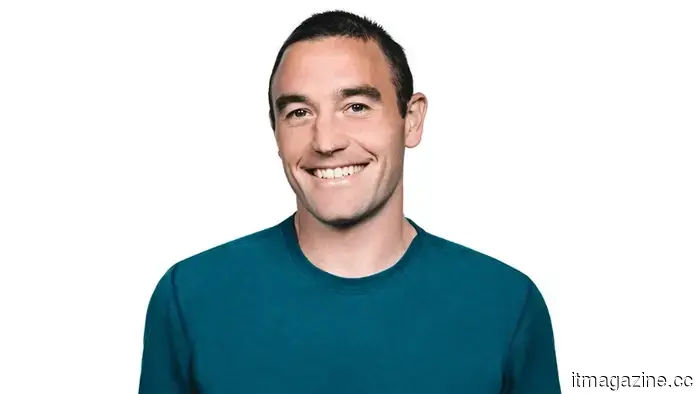 OpenAI experiences a triple exit in one day as the product chief, head of Sora, and enterprise CTO all depart.
Kevin Weil, Bill Peebles, and Srinivas Narayanan are departing from OpenAI as the organization terminates Sora and disbands OpenAI for Science, marking the continuation of a two-year trend of leadership departures.
OpenAI experiences a triple exit in one day as the product chief, head of Sora, and enterprise CTO all depart.
Kevin Weil, Bill Peebles, and Srinivas Narayanan are departing from OpenAI as the organization terminates Sora and disbands OpenAI for Science, marking the continuation of a two-year trend of leadership departures.
 NVIDIA did not invest in Xanadu, yet it still turned its CEO into a billionaire.
Xanadu Quantum's stock skyrocketed nearly five times within six sessions following the validation of photonic quantum computing through NVIDIA's Ising AI models and NVQLink architecture, resulting in CEO Weedbrook becoming a billionaire.
NVIDIA did not invest in Xanadu, yet it still turned its CEO into a billionaire.
Xanadu Quantum's stock skyrocketed nearly five times within six sessions following the validation of photonic quantum computing through NVIDIA's Ising AI models and NVQLink architecture, resulting in CEO Weedbrook becoming a billionaire.
 Europe's €80 billion investment in public funding for venture capital and scaleups encounters structural growth obstacles.
The EIF's €15 billion ETCI 2 fund aims for €80 billion in scaleup financing; however, Europe's 80% scaleup shortfall and loss-making unicorns indicate that solely providing capital will not bridge the gap with the US.
Europe's €80 billion investment in public funding for venture capital and scaleups encounters structural growth obstacles.
The EIF's €15 billion ETCI 2 fund aims for €80 billion in scaleup financing; however, Europe's 80% scaleup shortfall and loss-making unicorns indicate that solely providing capital will not bridge the gap with the US.
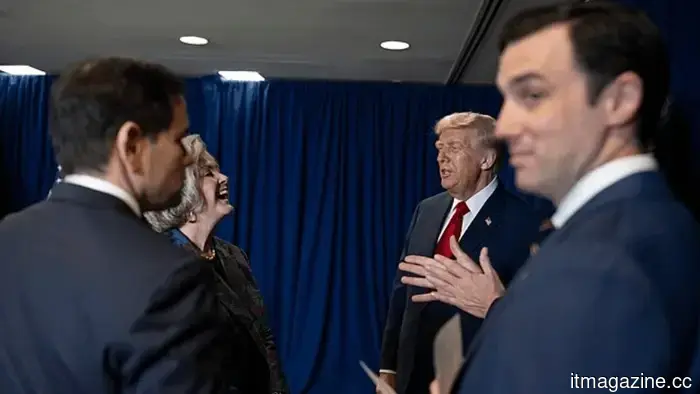 Amodei from Anthropic meets with Wiles and Bessent at the White House to discuss access to Mythos and the standoff with the Pentagon.
Anthropic CEO Amodei had "productive" discussions with Wiles and Bessent at the White House regarding access to Mythos, indicating a possible easing of the Pentagon blacklisting issue.
Amodei from Anthropic meets with Wiles and Bessent at the White House to discuss access to Mythos and the standoff with the Pentagon.
Anthropic CEO Amodei had "productive" discussions with Wiles and Bessent at the White House regarding access to Mythos, indicating a possible easing of the Pentagon blacklisting issue.
 Europe's €80 billion investment in public funding for venture capital and scaleups encounters fundamental growth obstacles.
The EIF's €15 billion ETCI 2 fund aims for €80 billion in scaleup financing, yet the 80% scaleup shortfall in Europe and the presence of unprofitable unicorns indicate that simply providing capital may not be enough to bridge the gap with the US.
Europe's €80 billion investment in public funding for venture capital and scaleups encounters fundamental growth obstacles.
The EIF's €15 billion ETCI 2 fund aims for €80 billion in scaleup financing, yet the 80% scaleup shortfall in Europe and the presence of unprofitable unicorns indicate that simply providing capital may not be enough to bridge the gap with the US.
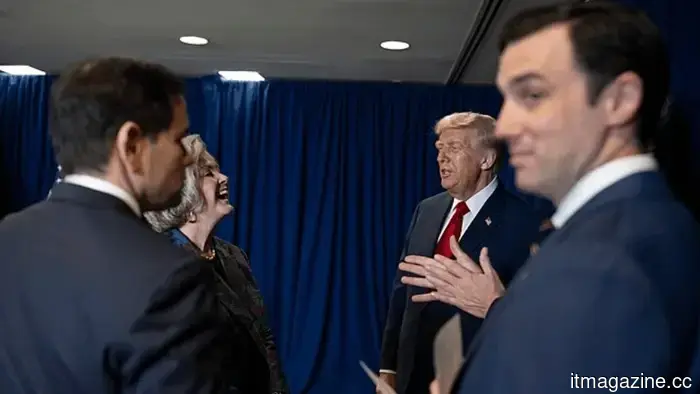 Anthropic's Amodei has a meeting with Wiles and Bessent at the White House regarding access to Mythos and the standoff with the Pentagon.
Anthropic CEO Amodei engaged in "productive" discussions with Wiles and Bessent at the White House regarding access to Mythos, indicating a potential easing of the conflict surrounding the Pentagon's blacklisting.
Anthropic's Amodei has a meeting with Wiles and Bessent at the White House regarding access to Mythos and the standoff with the Pentagon.
Anthropic CEO Amodei engaged in "productive" discussions with Wiles and Bessent at the White House regarding access to Mythos, indicating a potential easing of the conflict surrounding the Pentagon's blacklisting.
Palantir, Thales, and a startup are in competition to develop the FAA's predictive AI for air traffic.
The FAA's SMART system can forecast air traffic conflicts two hours in advance. After systemic issues were revealed at LaGuardia, Palantir, Thales, and Air Space Intelligence are vying for the contract.