
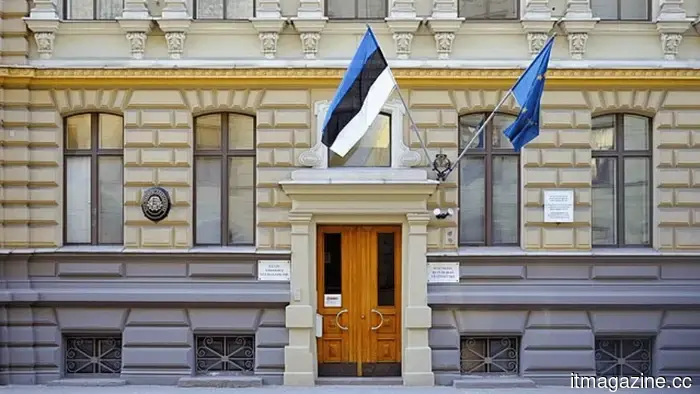
Estonia is one of the few EU countries that is against imposing restrictions on children's use of social media.
In summary: Estonia and Belgium are the only two EU member countries that have rejected the Jutland Declaration, an October 2025 commitment aimed at limiting children's access to social media across Europe. Ministers from Estonia argue that age-based restrictions cannot be enforced effectively, as children will easily bypass them. They believe the focus should be on enforcing the GDPR against the platforms and enhancing digital literacy instead of restricting young people's engagement in the information society.
The declaration was signed by most EU countries
On October 10, 2025, digital ministers from 25 of the 27 EU member states convened in Horsens, Denmark, to sign the Jutland Declaration. Norway and Iceland also joined in. This declaration is a non-binding political commitment aimed at implementing privacy-protecting age verification on social media, safeguarding minors from addictive design features, and working towards establishing a "digital legal age" for online services. Estonia and Belgium are the two EU nations that opted out. Belgium's rejection was due to a veto from Flemish Media Minister Cieltje Van Achter, who criticized the age verification mandates as excessive and opposed the idea of requiring children to use national identity systems like Itsme to access services such as YouTube or Instagram. Estonia's refusal stemmed from a principled, rather than procedural, stance along with a broader discourse about the direction of Europe's regulatory efforts. The momentum behind the declaration is significant, with various European countries tightening age restrictions on social media through 2025 into 2026. Australia is set to implement the first global ban on social media for those under 16 starting in December 2025, followed by legislation from France, Spain, and Austria to restrict underage access. Greece has plans to bar under-15s from social media in 2027, alongside a coalition of five other EU nations. On November 20, 2025, the European Parliament approved a non-binding resolution advocating for a minimum digital age of 16 across the EU by 483 votes to 92, with 86 abstentions, urging the European Commission to integrate this into the upcoming Digital Fairness Act.
Estonia's rationale for rejection
Estonia's opposition is expressed by two ministers who address the issue from different yet complementary perspectives. Kristina Kallas, Minister of Education and Research, has been highly vocal against the consensus on bans. Speaking at a Politico event in Barcelona, Kallas asserted that imposing age restrictions misplaces responsibility. “We should not hold kids accountable for the harm and expect them to self-regulate,” she argued, insisting that the onus should lie with the platforms instead. “Europe often acts weak in the face of large American and international corporations,” she challenged, urging the EU to reclaim its regulatory power over these entities. She also expressed skepticism about the practicality of bans, noting that “children will quickly discover ways to circumvent and continue using social media.” This perspective aligns with Europe’s broader initiative to assert regulatory authority over American tech giants, a movement gaining traction since 2025 but not yet robustly applied to social media governance. Liisa-Ly Pakosta, Minister of Justice and Digital Affairs, has framed Estonia's preferred approach positively, stating, “Estonia believes in an information society that includes young people.” She emphasizes the importance of digital participation over exclusion, suggesting that the existing General Data Protection Regulation provides an adequate enforcement mechanism, as it forbids platforms from processing children's data without proper consent and imposes fines of up to 4% of global turnover for infractions. Essentially, Estonia's stance is that Europe has yet to utilize its current regulatory tools effectively before seeking new, untested approaches.
The enforcement issue highlighted by Estonia
Estonia's critique of the ban model is informed by specific examples. Australia became the first country to implement a social media ban for minors on December 10, 2025, prohibiting anyone under 16 from having accounts on platforms like Instagram, TikTok, YouTube, Snapchat, X, and Facebook. Platforms can face penalties up to approximately A$50 million for failing to prevent underage access. However, following the ban's implementation, the eSafety Commissioner found that Meta, TikTok, and YouTube were not in compliance, leading to legal actions against them. The compliance rates were concerning, with 70% of children who had accounts before the ban still retaining active accounts afterward. Methods like using VPNs, providing false birth dates, and transferring accounts to adult relatives were found to be simple and widely used. Whether Australia's experience serves as a conclusive judgment against the ban model or is merely an early hurdle that stricter enforcement might rectify remains uncertain. What is clear is that the world's inaugural and most scrutinized age restriction quickly yielded a high compliance failure rate, an outcome predicted by critics who stated that the anticipated challenge would arise from creative circumvention rather than effective restrictions.
Future developments in Brussels
The ongoing debate between Estonia's platform-enforcement strategy and the consensus favoring bans is set
Other articles
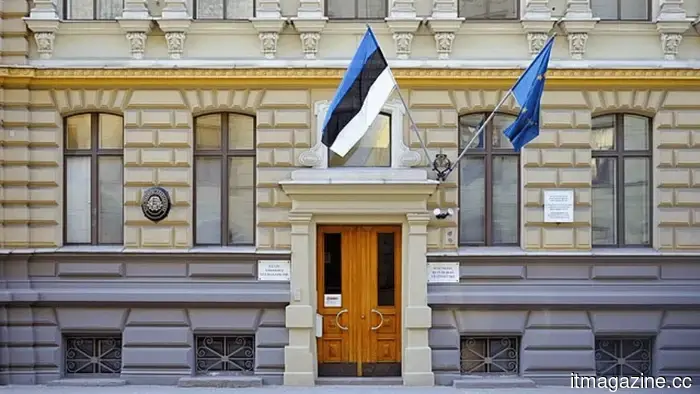 Estonia is an unusual EU nation that is against prohibiting children's use of social media.
Estonia rejected the EU's Jutland Declaration, contending that age restrictions are impractical and that Europe should implement GDPR regulations on platforms rather than impose limitations on children.
Estonia is an unusual EU nation that is against prohibiting children's use of social media.
Estonia rejected the EU's Jutland Declaration, contending that age restrictions are impractical and that Europe should implement GDPR regulations on platforms rather than impose limitations on children.
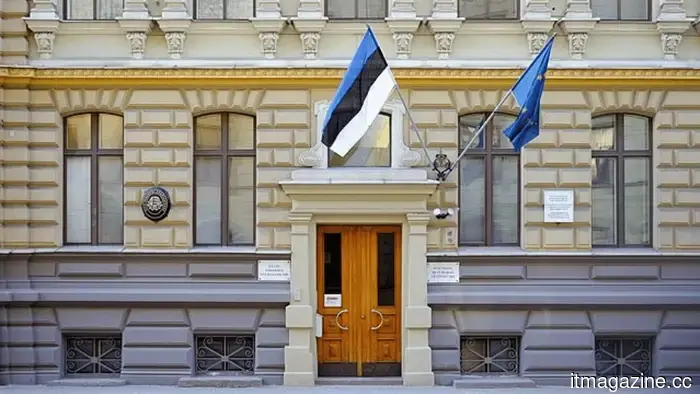 Estonia is one of the few EU countries that is against prohibiting children's use of social media.
Estonia rejected the EU's Jutland Declaration, claiming that age restrictions are impractical to enforce and suggesting that Europe should implement the GDPR on platforms rather than limit access for children.
Estonia is one of the few EU countries that is against prohibiting children's use of social media.
Estonia rejected the EU's Jutland Declaration, claiming that age restrictions are impractical to enforce and suggesting that Europe should implement the GDPR on platforms rather than limit access for children.
 AI is enhancing our speed and productivity but also diminishing our critical thinking skills.
AI is omnipresent, yet the proof of its worth is scarce, the fatigue is genuine, and the term “intelligence” serves more as a marketing tool than a scientific concept.
AI is enhancing our speed and productivity but also diminishing our critical thinking skills.
AI is omnipresent, yet the proof of its worth is scarce, the fatigue is genuine, and the term “intelligence” serves more as a marketing tool than a scientific concept.
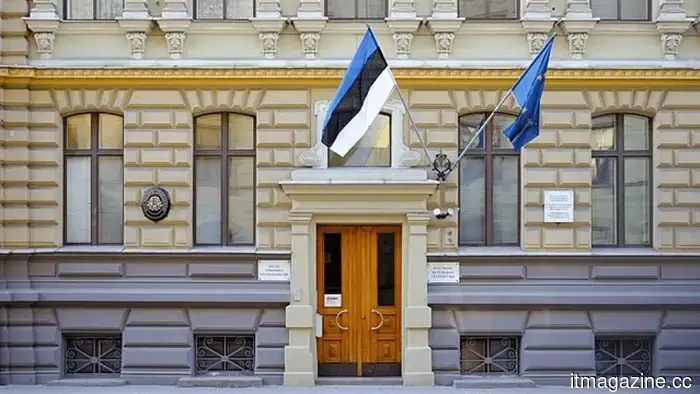 Estonia is one of the few EU countries that is against prohibiting social media use among children.
Estonia rejected the EU's Jutland Declaration, claiming that age restrictions are impractical and that Europe should focus on implementing GDPR on platforms rather than limiting access for children.
Estonia is one of the few EU countries that is against prohibiting social media use among children.
Estonia rejected the EU's Jutland Declaration, claiming that age restrictions are impractical and that Europe should focus on implementing GDPR on platforms rather than limiting access for children.
 UK startup Altilium secures £18.5 million to establish the country's first commercial EV battery recycling facility.
Altilium has obtained £18.5 million in grants from the UK government to establish ACT3, a refinery in Plymouth that will extract essential minerals from 24,000 electric vehicle batteries annually.
UK startup Altilium secures £18.5 million to establish the country's first commercial EV battery recycling facility.
Altilium has obtained £18.5 million in grants from the UK government to establish ACT3, a refinery in Plymouth that will extract essential minerals from 24,000 electric vehicle batteries annually.
 AI is increasing our speed and productivity, but it's also diminishing our critical thinking skills.
AI is ubiquitous, yet the proof of its worth is scarce, the fatigue is genuine, and the term “intelligence” serves more as a marketing tool than a scientific term.
AI is increasing our speed and productivity, but it's also diminishing our critical thinking skills.
AI is ubiquitous, yet the proof of its worth is scarce, the fatigue is genuine, and the term “intelligence” serves more as a marketing tool than a scientific term.
Estonia is one of the few EU countries that is against imposing restrictions on children's use of social media.
Estonia rejected the EU's Jutland Declaration, stating that age restrictions are impractical to enforce and that Europe should focus on implementing GDPR against platforms rather than limiting access for children.