
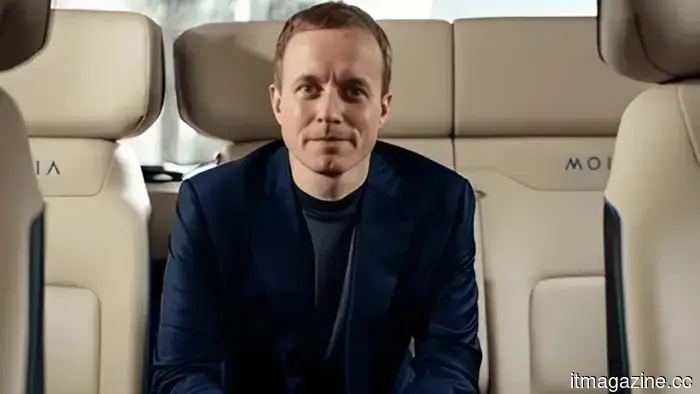
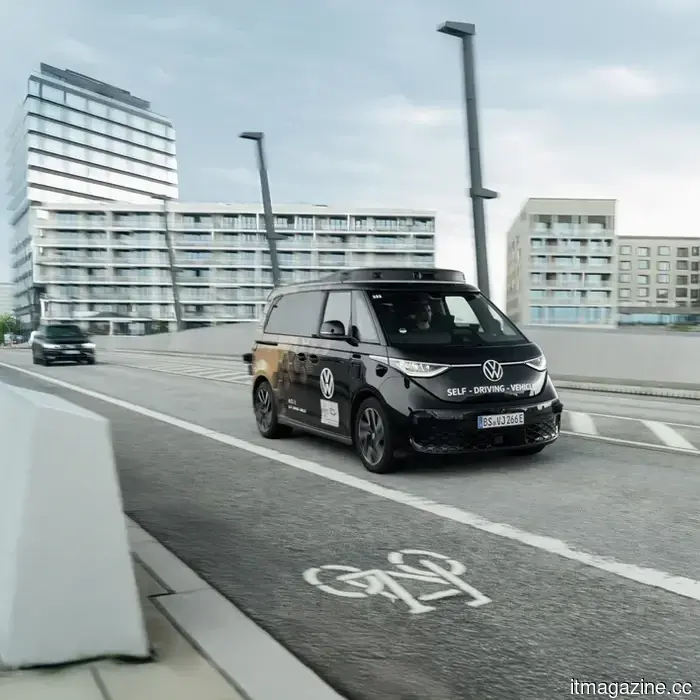
Volkswagen’s MOIA and Uber have started trials of self-driving ID. Buzz minibuses in Los Angeles.
In summary: MOIA America, Volkswagen's autonomous mobility subsidiary, and Uber have initiated on-road testing in Los Angeles using approximately 10 autonomous ID. Buzz vehicles. This marks the first phase of a rollout anticipated to provide commercial rides with human safety operators by the end of 2026, transitioning to fully driverless service in 2027. Los Angeles is the inaugural US city in what both companies refer to as a multi-city rollout planned for the next decade.
A year after announcing their partnership, the first ID. Buzz AD vehicles have taken to the streets of Los Angeles. MOIA America, Volkswagen’s autonomous driving branch operating in the US, intends to deploy over 100 vehicles in the city for real-world validation prior to launching commercial services. Throughout the testing phase, each vehicle will have a human safety operator onboard, a necessary requirement as the company navigates California's complex regulatory framework before being allowed to charge riders.
About the vehicle
The ID. Buzz AD differs significantly from the consumer version of the ID. Buzz available in dealerships. This autonomous variant is equipped with a suite of 27 sensors, including 13 cameras, nine LiDAR units, and five radars, with all data processed by a Mobileye-sourced computer using the Mobileye Drive platform. This collaboration, which replaced a prior agreement with Argo AI after Volkswagen wrote off its investment in 2022, assigns Mobileye the responsibility for the software, hardware components, and digital mapping essential for the vehicle's decision-making processes.
The production model accommodates up to six passengers and features powered sliding doors, making it better suited for group ride-hailing, which MOIA has been developing since its inception. It was first unveiled in its series production format in 2025 and is manufactured by Volkswagen Commercial Vehicles at its plant in Hanover.
Path to commercial service
Before MOIA America can charge passengers in California, it needs to clear two regulatory hurdles: obtaining a commercial deployment permit from the California Department of Motor Vehicles and a ride-hailing permit from the California Public Utilities Commission. Neither of these permits is guaranteed. The current phase of testing, which includes safety operators in all vehicles, serves both as a technical validation exercise and as a demonstration of safe operation that regulators will closely examine before granting wider permissions.
The company's planned timeline is ambitious. It starts with testing about 10 vehicles, followed by an increase to over 100 vehicles with safety operators by the time commercial services commence at the end of 2026. A fully driverless service—without any humans in the vehicle—is aimed for 2027. MOIA America has expressed an intention to scale to over 500 autonomous vehicles in Los Angeles by the third quarter of 2027, and to subsequently deploy more than 1,000 vehicles in other US cities.
Paul DeLong, president of commercialization at MOIA America, explained the geographical choice as intentional: “Los Angeles is a natural market for introducing MOIA’s autonomous vehicles for ride experiences due to its long-standing influence on car culture and its adoption of new mobility technologies.” He also emphasized that the collaboration with Uber was central to their strategy from the beginning: “Alongside Uber, we’re integrating MOIA’s autonomous vehicles and expertise into a platform already trusted by millions of riders.”
Sascha Meyer, chief commercial officer for Volkswagen Autonomous Mobility, remarked that the announcement about LA signifies “strong momentum behind the strategy to operationalize autonomous mobility in the real world.” Uber's CEO, Dara Khosrowshahi, called it “a significant milestone in the advancement of autonomous mobility” and highlighted it as an indication of “both Volkswagen’s and Uber’s commitment to shaping the future of transportation.”
Why LA, why now
Los Angeles is not a blank canvas for autonomous vehicle services. Waymo has been operating fully driverless rides in the city since 2024 and has expanded its permitted area to cover most of Southern California, conducting over 250,000 paid trips per week across all its US markets. Entering a city already served by an established operator sets a clear performance benchmark for MOIA and Uber prior to their commercial launch, also allowing riders to make direct comparisons from day one.
MOIA brings operational experience that other newcomers to US cities may lack. The company has operated a ride-pooling service in Hamburg since 2019, transporting over ten million passengers, which has generated a wealth of real-world operational data guiding both vehicle design and service model. The autonomous initiative in Hamburg has been ongoing concurrently as part of the federally backed ALIKE project, indicating that the ID. Buzz AD platform is not being introduced to the public for the first time in Los Angeles.
Uber as the platform, not the technology
The partnership with MOIA is a reflection of a broader strategy Uber has been pursuing since it stepped back from developing its own self-driving technology after selling its Advanced Technologies Group to Aurora in 2020. Uber has positioned itself as the distribution layer for autonomous vehicles rather than a creator of the underlying technology
Other articles
 Breakthrough in miniaturized cameras aims at slimmer smartphones and wearable devices.
KAIST's ultra-slim camera offers an expansive field of view in under 1mm, with the goal of eliminating the camera bump and allowing for thinner smartphones, wearables, and compact medical gadgets.
Breakthrough in miniaturized cameras aims at slimmer smartphones and wearable devices.
KAIST's ultra-slim camera offers an expansive field of view in under 1mm, with the goal of eliminating the camera bump and allowing for thinner smartphones, wearables, and compact medical gadgets.
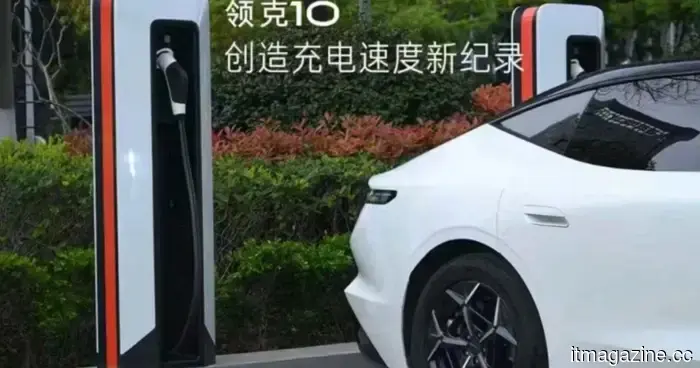 China's Geely presents electric vehicle charging technology that can charge from 10% to 97% in less than 9 minutes.
The Chinese automaker Geely has announced a new achievement in EV charging with its latest model, the Lunk & Co 10, which can charge from 10% to 97% in less than nine minutes.
China's Geely presents electric vehicle charging technology that can charge from 10% to 97% in less than 9 minutes.
The Chinese automaker Geely has announced a new achievement in EV charging with its latest model, the Lunk & Co 10, which can charge from 10% to 97% in less than nine minutes.
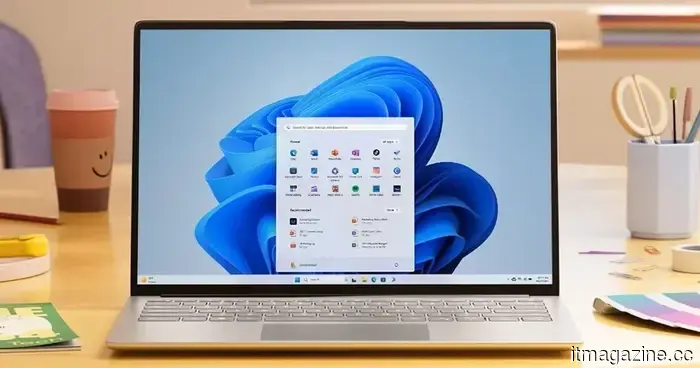 Microsoft has released a solution for the malfunctioning Windows Start Menu search feature.
A problematic Bing update caused the Windows 11 Start Menu search feature to go offline for certain users starting April 6, and Microsoft's solution is as low-maintenance as the unexpected issue.
Microsoft has released a solution for the malfunctioning Windows Start Menu search feature.
A problematic Bing update caused the Windows 11 Start Menu search feature to go offline for certain users starting April 6, and Microsoft's solution is as low-maintenance as the unexpected issue.
 Netflix's VOID AI eliminates objects while maintaining real-world movement.
Netflix is unveiling an AI video tool that offers more than just basic cleanup. The technology, named VOID, is capable of removing elements from videos while ensuring that the remaining components continue to function in a way that feels natural. This represents a significant advancement in AI video editing. Current tools can eliminate unwanted items, but they frequently leave behind movements that seem unnatural, [...]
Netflix's VOID AI eliminates objects while maintaining real-world movement.
Netflix is unveiling an AI video tool that offers more than just basic cleanup. The technology, named VOID, is capable of removing elements from videos while ensuring that the remaining components continue to function in a way that feels natural. This represents a significant advancement in AI video editing. Current tools can eliminate unwanted items, but they frequently leave behind movements that seem unnatural, [...]
 Meta has introduced Muse Spark, which is not open source.
Meta Superintelligence Labs has introduced Muse Spark, its initial model following a nine-month overhaul of its technology stack. It excels in health benchmarks but falls behind in abstract reasoning capabilities.
Meta has introduced Muse Spark, which is not open source.
Meta Superintelligence Labs has introduced Muse Spark, its initial model following a nine-month overhaul of its technology stack. It excels in health benchmarks but falls behind in abstract reasoning capabilities.
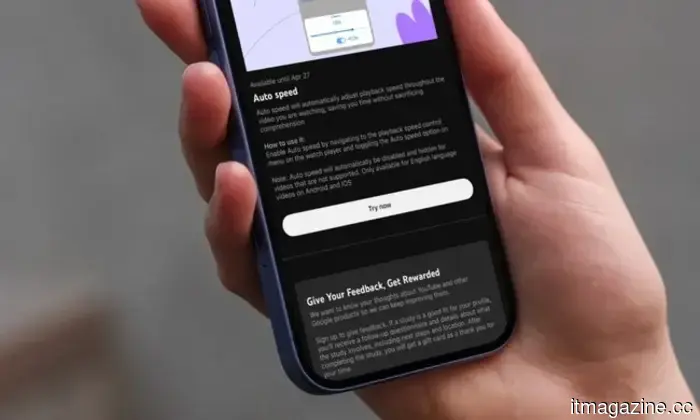
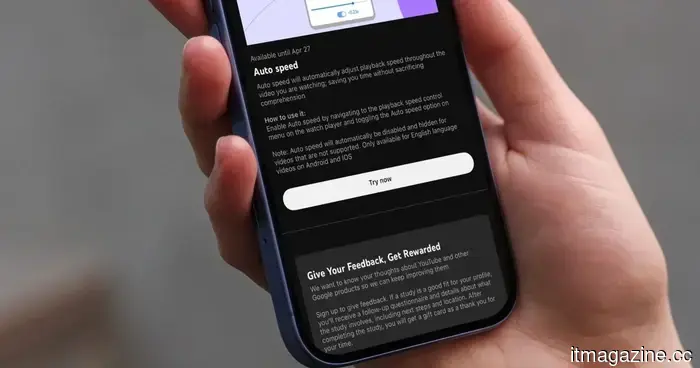 YouTube is testing a more efficient method for viewing videos more quickly.
YouTube Premium has introduced a new experimental feature called Auto Speed, which automatically modifies the playback speed to help you watch videos more quickly.
YouTube is testing a more efficient method for viewing videos more quickly.
YouTube Premium has introduced a new experimental feature called Auto Speed, which automatically modifies the playback speed to help you watch videos more quickly.
Volkswagen’s MOIA and Uber have started trials of self-driving ID. Buzz minibuses in Los Angeles.
MOIA America and Uber commence testing in Los Angeles with 10 autonomous ID. Buzz vehicles, aiming for a commercial robotaxi rollout with safety operators by the end of 2026.